Understanding Chronic Inflammation Blood Tests and What Your Numbers Mean
Acute vs. Chronic Inflammation: Why Systemic Inflammation Goes Unnoticed
A chronic inflammation test evaluates key blood biomarkers—most notably high-sensitivity C-reactive protein (hs-CRP), erythrocyte sedimentation rate (ESR), ferritin, and fasting insulin—to detect low-grade systemic immune activation that standard blood work often misses. Unlike acute inflammation, which is a rapid, protective response to tissue damage, trauma, or pathogen invasion, chronic inflammation operates like a smoldering fire. When you sprain an ankle or catch a cold, the immune system mobilizes white blood cells, increases local blood flow, and releases signaling molecules like cytokines. This response is localized, intense, and self-limiting; once the threat resolves, tissue repair mechanisms take over and baseline function returns.
Chronic inflammation, by contrast, does not turn off after an acute threat is neutralized. The immune system remains persistently activated at a low grade, causing slow, cumulative cellular damage across blood vessels, organs, and connective tissues. Globally, chronic inflammatory diseases represent the single largest contributor to human mortality, playing a direct role in three out of five deaths worldwide via heart disorders, strokes, cancer, chronic respiratory diseases, and type 2 diabetes.
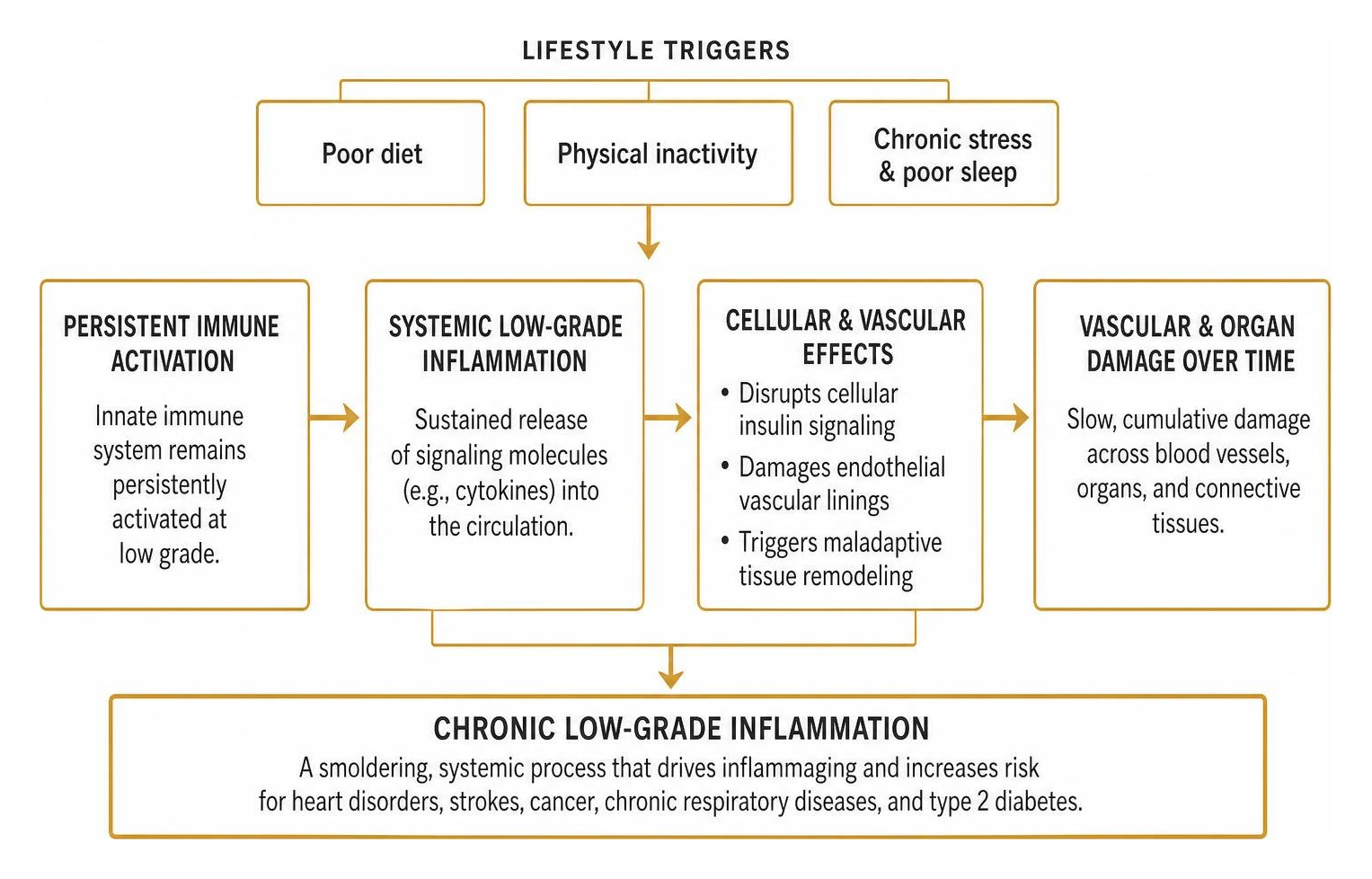
This sustained, systemic process is a primary driver of inflammaging—the accelerated biological aging of tissues caused by chronic innate immune activation. Over time, elevated circulating cytokines disrupt cellular insulin signaling, damage endothelial vascular linings, and trigger maladaptive tissue remodeling.
Characteristic | Acute Inflammation | Chronic Low-Grade Inflammation |
|---|---|---|
Onset | Sudden (minutes to hours) | Insidious (months to years) |
Duration | Short-term (days to a few weeks) | Long-term, progressive |
Classic Symptoms | Pain, redness, swelling, localized heat | Silent; or non-specific fatigue, brain fog, stiffness |
Primary Immune Cells | Neutrophils | Macrophages, T-lymphocytes, plasma cells |
Tissue Impact | Promotes active repair and pathogen clearance | Causes progressive tissue remodeling and fibrosis |
Primary Biomarker Response | Massive transient spikes in CRP (often >100 mg/L) | Subtle, persistent elevations in hs-CRP (1.0–3.0+ mg/L) |
Understanding these distinctions is essential when evaluating inflammation testing because standard laboratory reference ranges are frequently engineered to flag acute clinical crises rather than low-grade systemic strain.
The Silent Progression of Low-Grade Inflammation
Because chronic low-grade inflammation rarely produces classic indicators like fever or obvious swelling, it often goes completely unnoticed for years. One of the main contributors to this hidden process is visceral adiposity. Unlike subcutaneous fat stored directly beneath the skin, visceral fat wraps around internal organs and acts as an active endocrine organ. Visceral adipocytes produce and release pro-inflammatory cytokines such as interleukin-6 (IL-6) and tumor necrosis factor-alpha (TNF-α). Scientific studies consistently demonstrate that an increasing body mass index correlates with greater circulating concentrations of these pro-inflammatory proteins.
As these molecules circulate through the bloodstream, they damage the endothelium—the delicate inner lining of the vascular system. This endothelial dysfunction enables low-density lipoproteins (LDL) to enter the arterial wall, where they become oxidized and engulfed by macrophages. The result is atherosclerotic plaque development.
Without targeted testing, this systemic degradation remains invisible until an advanced stage of cardiovascular disease, metabolic dysfunction, or joint degeneration appears. Tracking silent inflammation markers provides the objective data required to intervene well before structural tissue damage becomes irreversible.
Key Biomarkers in a Comprehensive Chronic Inflammation Test Panel
A comprehensive evaluation requires looking at several integrated biomarkers rather than relying on a single data point. Each marker reflects distinct physiological pathways, ranging from acute-phase liver proteins and coagulation dynamics to metabolic strain and immune autoantibodies.
High-Sensitivity C-Reactive Protein (hs-CRP) and ESR
The most widely utilized marker for systemic inflammation is C-reactive protein (CRP), an acute-phase reactant synthesized by the liver in direct response to IL-6 and other cytokines. Standard CRP assays evaluate significant elevations (typically above 3.0 to 10.0 mg/L) to detect acute bacterial infections, surgical recovery progress, or active autoimmune flare-ups. In widespread systemic infections or severe trauma, standard CRP can surge past 100 mg/L.
However, detecting low-grade cardiovascular and systemic strain requires high-sensitivity C-reactive protein (hs-CRP). The hs-CRP assay quantifies minute variations in protein concentrations between 0.1 and 10.0 mg/L:
Low Risk: Less than 1.0 mg/L
Moderate Risk / Low-Grade Inflammation: 1.0 to 3.0 mg/L
High Risk: Greater than 3.0 mg/L (in the absence of acute illness)
Cardiologists routinely utilize hs-CRP to refine cardiovascular risk stratification because chronic endothelial inflammation destabilizes arterial plaques, increasing the probability of cardiovascular events.
Erythrocyte Sedimentation Rate (ESR) complements CRP. ESR measures the distance in millimeters that red blood cells settle in an anticoagulated tube of blood over one hour. Under healthy conditions, red cells carry a negative charge and repel one another, settling slowly (a normal ESR is typically 20 mm/hr or less). When systemic inflammation is present, positively charged acute-phase proteins (particularly fibrinogen) coat the red cells, causing them to stack into rouleaux formations and settle much faster. While CRP rises and falls rapidly in response to inflammatory stimuli, ESR shifts more slowly, offering a broader window into ongoing disease activity. For dedicated competitors, tracking these variables alongside general performance biomarkers provides essential context regarding physiological recovery.
Ferritin, Fibrinogen, and Fasting Insulin
A complete inflammatory workup evaluates downstream metabolic and hematologic markers:
Ferritin (The Iron Storage Paradox): Ferritin is universally recognized as an intracellular iron storage protein, with normal standard ranges spanning 20 to 200 mcg/L. However, ferritin also acts as an acute-phase reactant. When inflammatory signaling rises, hepatocytes increase ferritin production to sequester serum iron away from potential pathogens. Consequently, a high ferritin level in a patient with normal or low iron saturation indicates systemic inflammation rather than iron overload.
Fibrinogen: A liver-produced glycoprotein essential for blood clotting, with a standard clinical reference range of 200 to 400 mg/dL. Systemic inflammation elevates fibrinogen production, increasing blood viscosity and coagulation potential, which further contributes to cardiovascular and microvascular complications.
Fasting Insulin: While primarily ordered to assess glycemic control, fasting insulin serves as an early indicator of metabolic endotoxemia and systemic stress. Elevated fasting insulin reflects insulin resistance, which directly stimulates inflammatory signaling pathways within vascular endothelial cells and liver tissue.
For a deeper dive into how these cellular variables operate within clinical frameworks, see our detailed guide on inflammation blood markers.
Autoimmune and Tissue Markers: ANA, RF, and Calprotectin
When clinical symptoms suggest targeted autoimmune or organ-specific conditions rather than broad lifestyle-driven strain, advanced panels incorporate targeted immune markers.
Ordering an arthritis and autoimmune panel allows clinicians to evaluate systemic autoimmune rheumatic diseases using reflexive antibody pathways. Antinuclear Antibodies (ANA) screen for autoimmune activity such as systemic lupus erythematosus, while Rheumatoid Factor (RF) and Anti-Cyclic Citrullinated Peptide (Anti-CCP) help differentiate rheumatoid arthritis from standard osteoarthritis.
In cases involving persistent gastrointestinal distress, assessing stool calprotectin helps clinicians distinguish between irritable bowel syndrome (IBS, a non-inflammatory functional disorder) and inflammatory bowel disease (IBD, such as Crohn's or ulcerative colitis).
For athletes experiencing severe muscle soreness, joint stiffness, or extreme exercise fatigue, integrating a creatine kinase blood test alongside inflammatory labs helps confirm whether symptoms stem from localized muscular damage or broader systemic autoimmune conditions.
How to Interpret Your Lab Values and Recognize Limitations
Interpreting an inflammation panel blood test requires balancing raw numbers against your broader clinical picture. A single elevated marker does not constitute a definitive medical diagnosis; it indicates biological activity that requires clinical interpretation.
Biomarker | Standard Clinical Reference Range | Optimal Preventative Target Range | Primary Clinical Interpretation |
|---|---|---|---|
hs-CRP | < 3.0 mg/L | < 1.0 mg/L (ideally < 0.5 mg/L) | Systemic vascular and metabolic inflammation |
ESR | ≤ 20 mm/hr | < 10 mm/hr | Slower-moving marker of systemic inflammatory load |
Ferritin | 20–200 mcg/L (varies by sex) | 50–100 mcg/L (with normal iron sat) | Acute-phase reactant; elevated in liver stress & inflammation |
Fibrinogen | 200–400 mg/dL | 200–300 mg/dL | Coagulation factor; elevated levels increase blood viscosity |
Fasting Insulin | < 25 µIU/mL | < 5 µIU/mL | Metabolic driver of low-grade systemic inflammation |
Homocysteine | < 15 µmol/L | 7–9 µmol/L | Vascular endothelial irritant and methylation marker |
When to Order a Chronic Inflammation Test vs Routine Labs
Routine annual blood testing conducted by primary care physicians often focuses on basic metabolic panels, complete blood counts, and lipid profiles. While valuable, these standard tests frequently overlook low-grade systemic inflammation.
You should consider an advanced chronic inflammation panel if you experience:
Unexplained, persistent fatigue that does not resolve with adequate sleep
Migratory joint aches or morning stiffness lasting longer than 30 minutes
Difficulty recovering from standard exercise sessions
A personal or family history of early cardiovascular disease
Metabolic risk factors including central obesity, elevated triglycerides, or prediabetes
Suspected food intolerances, skin flare-ups, or persistent gut distress
For athletes and high performers tracking long-term trends, regular biomarker screening provides the objective data required to assess baseline hs-CRP levels and monitor systemic recovery over time.
Limitations and Pitfalls of Inflammatory Blood Work
Inflammatory markers are non-specific. An elevated hs-CRP proves that inflammation exists, but it cannot pinpoint where that inflammation is located or what caused it.
Common pitfalls and confounding factors include:
Strenuous Exercise: A demanding marathon, heavy resistance training session, or intense interval workout causes transient muscular micro-trauma, driving up CRP, IL-6, and ESR for 24 to 72 hours.
Recent Minor Illness: A resolving head cold, mild dental infection, or recent vaccination can cause a temporary spike in acute-phase reactants that does not reflect chronic baseline inflammation.
False Positives in Autoimmune Screens: Ordering broad autoimmune panels without distinct clinical symptoms often yields low-titer positive ANA results. In an asymptomatic individual, a low-positive ANA is rarely clinically meaningful and often triggers unnecessary anxiety.
Medication Effects: The regular use of non-steroidal anti-inflammatory drugs (NSAIDs), statins, corticosteroids, or hormone replacement therapies can suppress or alter inflammatory markers, masking underlying patterns.
Actionable Protocols: Reducing Chronic Inflammation Through Nutrition and Training
Achieving an optimal biomarker profile requires a systematic, evidence-informed approach that addresses nutrition, training loads, sleep, and recovery.
How to Prepare for a Chronic Inflammation Test
To ensure your test reflects your true baseline rather than transient lifestyle noise, follow these pre-test protocols:
Avoid Strenuous Exercise for 48 Hours: Limit physical activity to light walking or mobility work for two full days before your blood draw to prevent exercise-induced acute-phase spikes.
Fast for 10 to 12 Hours: While a standard CRP test does not strictly require fasting, comprehensive panels measuring fasting insulin, glucose, and lipid fractions require overnight fasting. Water intake should remain high.
Reschedule If Acutely Ill: If you develop a viral infection, toothache, or acute physical injury, postpone your blood draw by at least two to three weeks post-recovery.
Disclose Supplements and Medications: Inform your clinician about all daily compounds. While you should generally take prescription medications as directed, high-dose antioxidant supplements or NSAIDs taken immediately prior to testing can artificially skew results.
Lifestyle, Diet, and Training Adjustments
When lab work confirms elevated inflammatory markers, targeted interventions can help normalize your values:
Adopt an Anti-Inflammatory Dietary Pattern: Emphasize whole, unprocessed foods rich in polyphenol compounds, colorful vegetables, berries, extra virgin olive oil, and high-quality omega-3 fatty acids from wild-caught cold-water fish. Simultaneously eliminate industrial trans fats, ultra-processed seed oils, refined sugars, and excessive alcohol. Integrating biomarker-based nutrition plans allows you to customize macronutrient splits and micronutrient density to target specific lab imbalances.
Balance Training Intensity with Aerobic Base Work: Excessive high-intensity interval training without adequate recovery elevates systemic cortisol and inflammatory cytokines. Build your endurance foundation using Zone 2 aerobic training to support mitochondrial density and metabolic efficiency without placing excess strain on your musculoskeletal system. For structured periodization strategies, consult our comprehensive biomarker training plan guide 2026.
Prioritize Sleep Architecture: Chronic sleep fragmentation directly increases circulating IL-6 and TNF-α. Target 7 to 9 hours of uninterrupted sleep in a cool, dark room, keeping consistent sleep and wake times to support your circadian rhythm.
Target Visceral Adiposity: Because visceral fat constantly secretes inflammatory proteins, reducing waist circumference through resistance training, caloric balance, and improved insulin sensitivity directly lowers circulating hs-CRP and ferritin levels.
Evidence-Supported Supplementation: Under professional guidance, compounds such as high-purity EPA/DHA fish oil (2–4 grams daily), bioavailable curcumin extracts, Boswellia serrata, and vitamin D3 have been clinically shown to support a healthy systemic inflammatory response.
Frequently Asked Questions About Inflammation Testing
Can blood tests distinguish between an acute infection and long-term inflammation?
Not from a single blood draw alone. Both acute infections and chronic diseases trigger the same underlying hepatic production of acute-phase proteins like CRP and fibrinogen. However, clinicians can easily tell them apart by looking at the magnitude of the increase, symptom history, and repeat testing timelines. Acute infections typically cause CRP to surge rapidly to 50–100+ mg/L alongside elevated white blood cell counts, followed by a swift decline as the infection clears. Chronic low-grade inflammation presents as persistent, modest elevations in hs-CRP (1.0 to 5.0 mg/L) that remain elevated over repeated tests across several months.
What is the difference between standard CRP and hs-CRP testing?
The core difference lies in assay sensitivity and clinical utility. A standard CRP test is designed to measure wide swings in inflammation, typically detecting protein concentrations ranging from 8.0 to over 100 mg/L. It is primarily used to monitor acute bacterial infections, post-operative healing, or severe autoimmune flares. The high-sensitivity CRP (hs-CRP) test uses specialized laboratory techniques to accurately measure very low concentrations of C-reactive protein (down to 0.1 mg/L). This fine-tuned sensitivity makes hs-CRP the standard for identifying hidden, low-grade vascular inflammation and assessing long-term cardiovascular disease risk in otherwise healthy individuals.
How often should inflammatory biomarkers be retested?
If your baseline results show elevated markers and you make targeted changes to your diet, training, or supplement routine, we recommend retesting in 3 to 6 months. Acute-phase proteins like CRP respond relatively quickly to meaningful lifestyle interventions, whereas markers like ESR, ferritin, and fasting insulin often require several months of consistent habit changes to show stable improvements. Once your biomarkers normalize into optimal ranges, annual testing is typically sufficient to monitor your health.
Conclusion
Understanding your inflammatory status provides clear, actionable insight into your long-term health, cardiovascular risk, and recovery capacity. Rather than viewing blood tests as an all-or-nothing diagnosis, use them as an objective guide to identify physiological stress and track your progress over time.
At Longevity Athlete, we believe that optimizing your health requires moving beyond generic advice. Translating complex blood work into measurable progress demands a personalized, data-driven approach tailored to your unique physiology. To get started, explore our tiered programs:
The Signature Plan is a self-guided group program designed to help you master foundational lifestyle protocols at your own pace.
The Gold and Platinum Plans deliver fully individualized lifestyle protocols, pairing comprehensive biomarker analysis with dedicated coaching to help you optimize longevity and performance.
To explore our complete range of diagnostic panels, consultations, and performance programs, visit Longevity Athlete today.