A Comprehensive Guide to Lab Testing for Athletes
Why Lab Testing for Athletes Matters
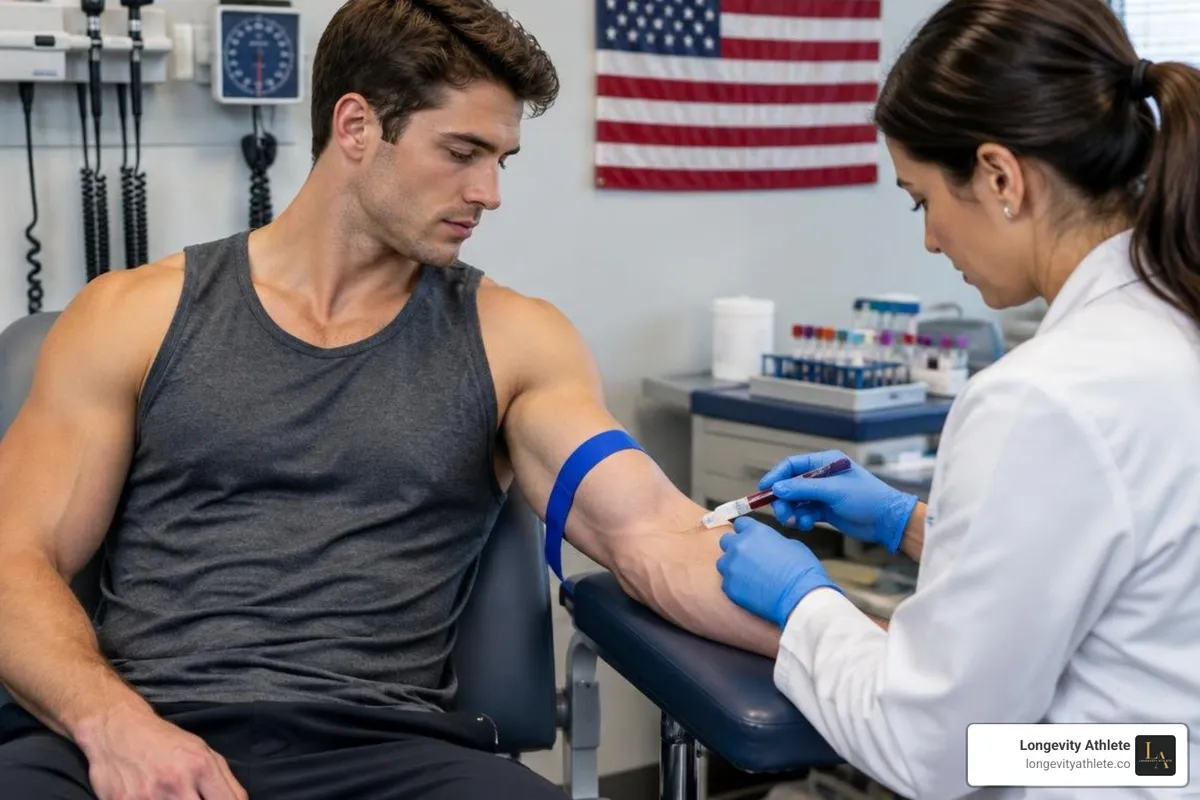
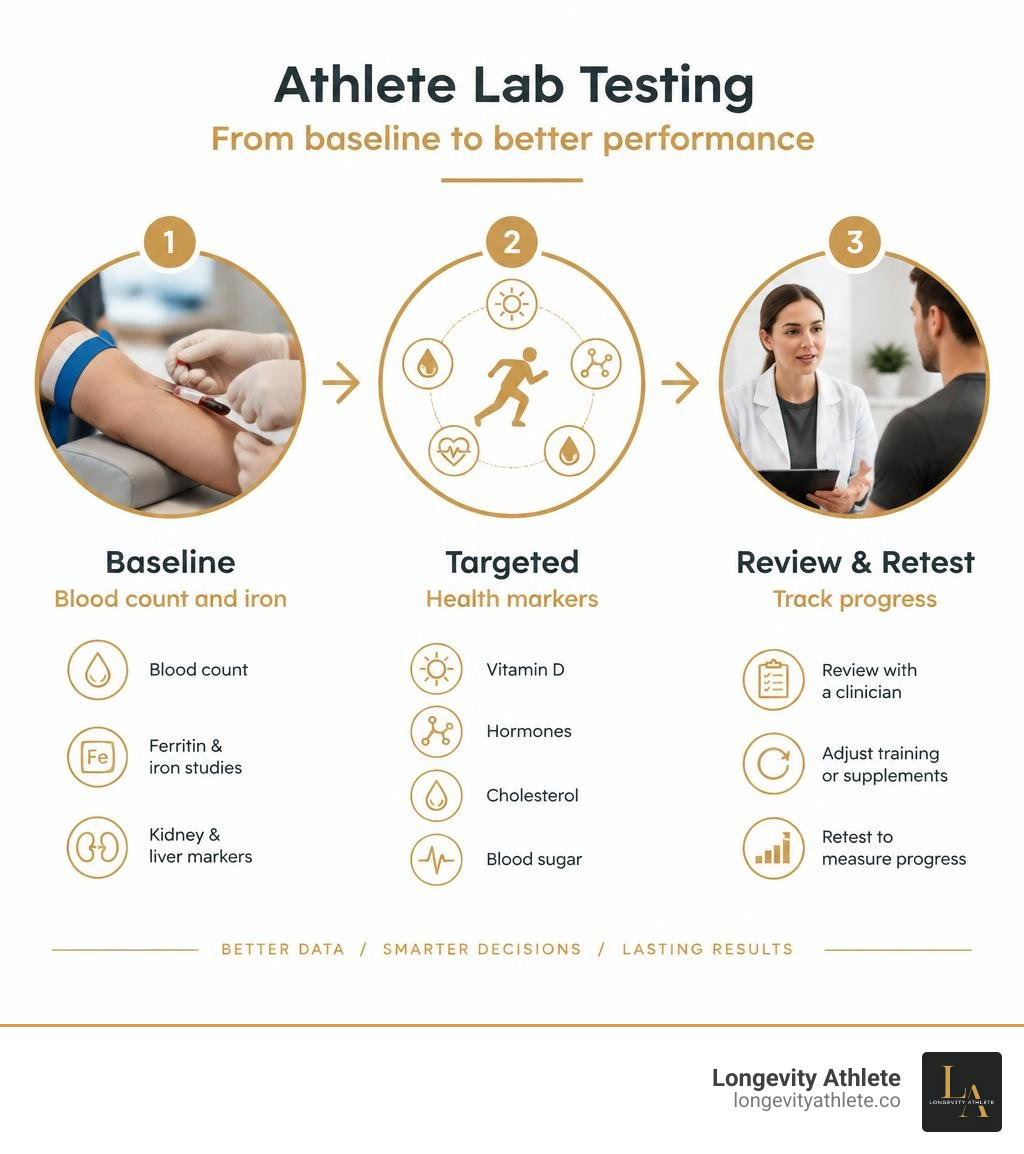
Start with a baseline, not the biggest panel. A blood count, ferritin and iron studies, and kidney and liver markers can reveal issues that affect training and health. Add tests such as vitamin D, cholesterol, blood sugar, or hormones based on your diet, symptoms, age, and goals. Review results with a clinician before changing your training or supplements, then retest to see whether those changes helped.
A single result rarely tells the whole story. Hard training, recent illness, and even the timing of a blood draw can affect some markers. Your results are most useful when viewed alongside how you feel and perform.
I'm Garric Vosloo. I've spent over 30 years in patient consulting and have worked with elite athletes since 2000; that experience shapes my approach to lab testing for athletes.
Core Biomarker Categories in Lab Testing for Athletes
Standard clinical blood work exists to flag pathology—meaning your doctor checks if you are clinically sick. For high-performing individuals, standard reference intervals are rarely sufficient. We care about optimal physiological ranges that support demanding training blocks, rapid recovery, and long-term vitality.
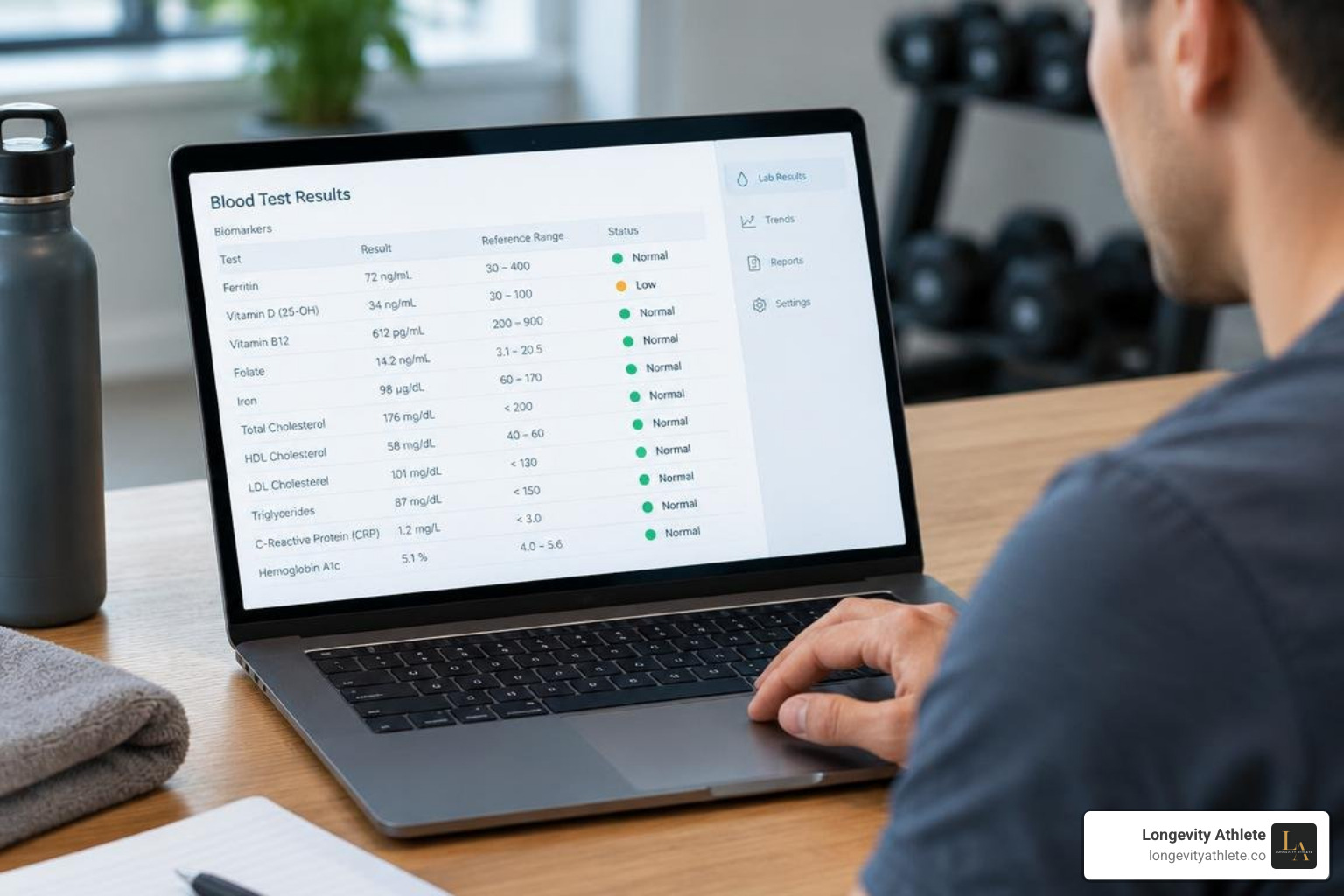
When designing a bloodwork strategy, we organize our focus into core categories: oxygen delivery, endocrine balance, organ health, and systemic inflammation.
Micronutrients and Oxygen Delivery: Ferritin, Vitamin D, and B-Vitamins
Your aerobic capacity relies heavily on how efficiently your red blood cells transport oxygen to working muscles. A standard complete blood count (CBC) measures red blood cells, hemoglobin, and hematocrit, but it misses early-stage deficiencies that degrade endurance.
Ferritin and Iron Saturation: Ferritin represents your stored iron reserves. As highlighted by the National Institutes of Health, iron is essential for oxygen transport, energy metabolism, and tissue growth. An athlete can have normal hemoglobin while suffering from depleted ferritin, leading to early fatigue, elevated heart rates, and poor work capacity.
Vitamin D3 (25-Hydroxy Vitamin D): Beyond bone mineral density, vitamin D functions as a secosteroid hormone that regulates muscle protein synthesis, immune resilience, and testosterone production.
B-Vitamins and Folate: Active forms of vitamin B12 and folate (Folsäure) are essential for red blood cell synthesis and neurological coordination.
When these values are sub-optimal, dietary adjustments and targeted repletion make an immediate difference. We often establish baseline levels and fine-tune intake using biomarker-based nutrition plans rather than relying on generic multivitamin regimens.
Endocrine and Anabolic Health: Testosterone, SHBG, and Cortisol
Sustained athletic exertion places distinct demands on the endocrine system. Balancing anabolic drive with catabolic stress ensures you adapt to training stimuli rather than breaking down under chronic load.
Key endocrine markers include:
Total and Free Testosterone: Reflects overall anabolic signaling and neuromuscular recovery capacity.
Sex Hormone-Binding Globulin (SHBG): Binds circulating testosterone; elevated SHBG reduces the bioavailable hormone your tissues actually use.
Free Androgen Index (FAI): Calculated from total testosterone and SHBG, providing a clear window into active androgen availability.
Cortisol and Thyroid (TSH, fT4): High resting cortisol combined with suppressed free testosterone or sluggish thyroid conversion often serves as an early warning for non-functional overreaching.
Tracking these performance biomarkers over time allows you to modulate volume before severe fatigue derails your season.
Organ Stress, Recovery, and Systemic Inflammation
High training volume naturally produces tissue micro-trauma, but differentiating between healthy adaptation and dangerous tissue breakdown requires targeted assessment markers.
Liver Enzymes (ALT/GPT, AST/GOT, GGT, Alkaline Phosphatase): Intense lifting or ultra-endurance racing can transiently elevate ALT and AST due to muscle damage. Including GGT and comprehensive liver indices helps isolate hepatic stress from standard muscular exertion.
Renal Function (Creatinine and Cystatin C): Athletes with elevated muscle mass and high dietary protein intake frequently show artificially high creatinine levels. Tracking Cystatin C offers a much more accurate evaluation of true glomerular filtration rate.
Muscle Breakdown & Systemic Inflammation: Ordering a creatine kinase blood test lets you quantify acute structural damage, while high-sensitivity C-reactive protein (hs-CRP) identifies lingering systemic inflammation.
Monitoring chronic changes across these inflammation blood markers ensures your structural and metabolic recovery keeps pace with your training demands.
Tracking Biomarkers for Advanced Hypoxic and Resistance Strategies
Many disciplined athletes employ specialized stressors like altitude training or blood flow restriction (BFR) to drive performance adaptations without relying on banned substances or pharmacological agents.
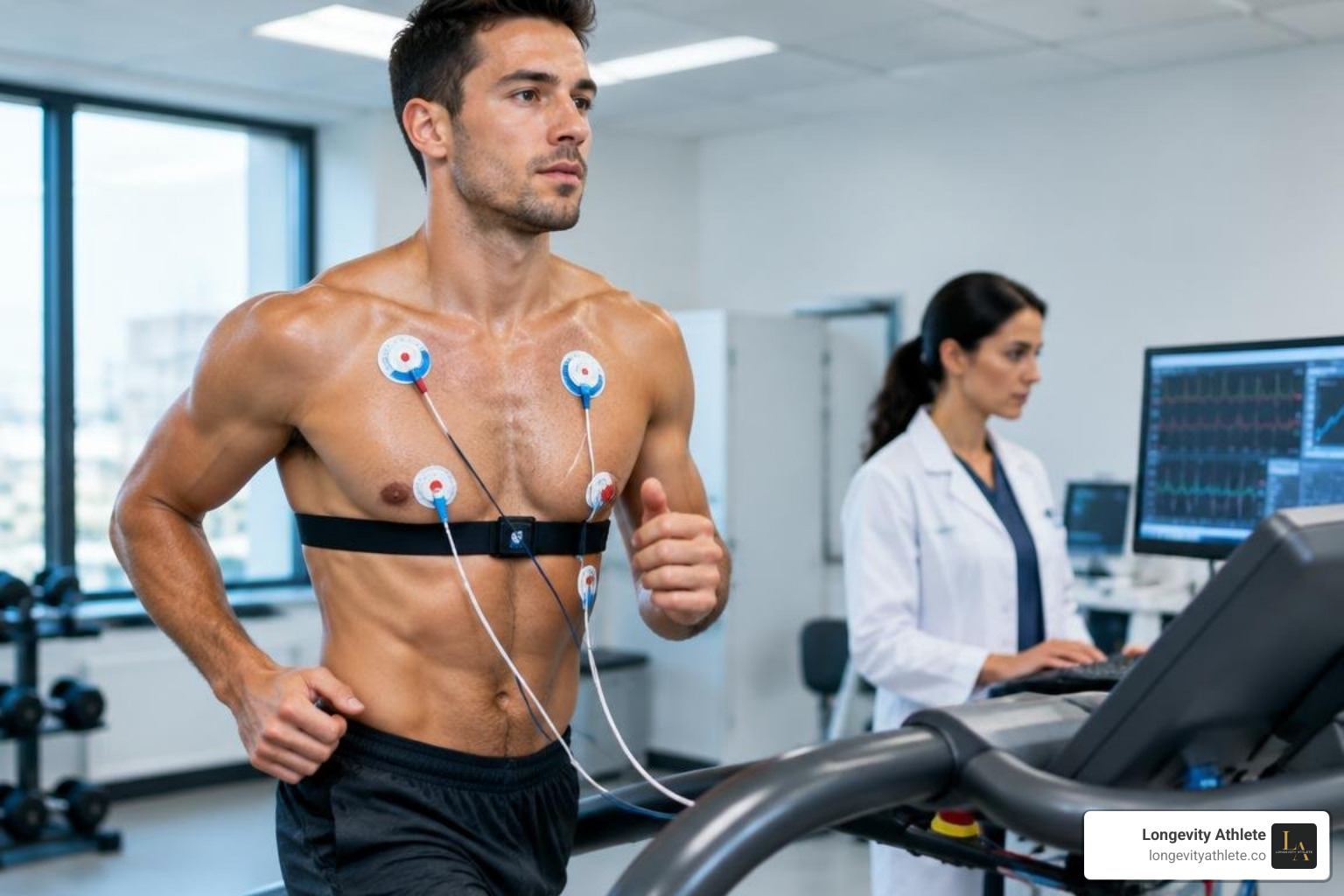
At altitude (or when using simulated altitude environments such as tents at 2,500 to 3,000 meters), atmospheric oxygen concentration drops. When oxygen saturation dips below typical resting levels, the kidneys naturally release erythropoietin (EPO). This hormone stimulates the bone marrow to produce new red blood cells, expanding overall hemoglobin mass and boosting VO2 max upon returning to sea level.
Blood flow restriction training applies a similar physiological principle locally. By applying pressurized cuffs to partially restrict venous return, athletes create local hypoxia inside the working muscle. This induces profound metabolic stress and muscle fiber recruitment with lighter external loads, sparing joint strain.
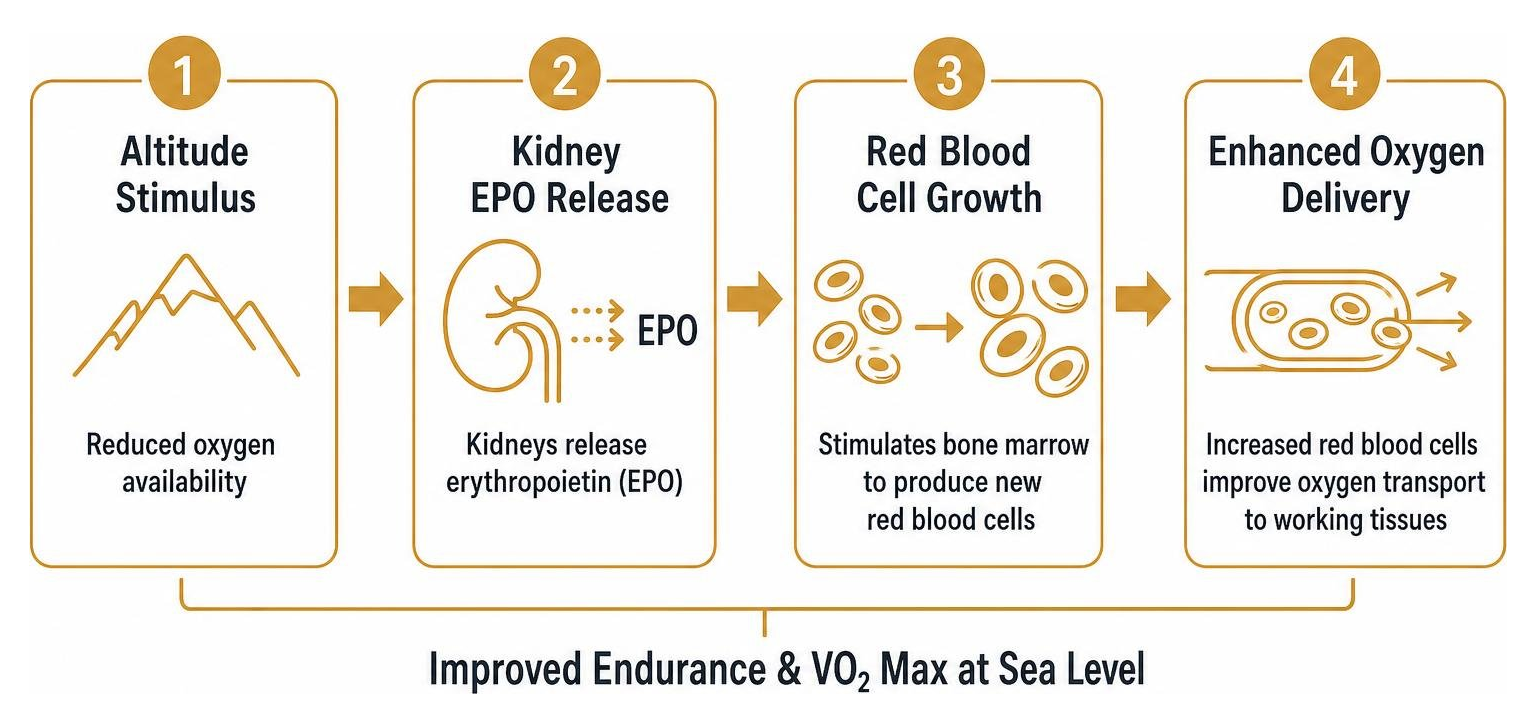
To execute these strategies safely and verify their effectiveness, specific biomarkers must be tracked:
Baseline Ferritin: You cannot build new red blood cells without sufficient iron stores. Entering an altitude block with low ferritin blunts the natural EPO response.
Hematocrit and Hemoglobin: Monitoring these markers before and after 3 to 4 weeks of hypoxic exposure confirms that erythrocyte volume has increased.
Hydration & Plasma Volume: Hypoxia often suppresses plasma volume, causing temporary hemoconcentration that must be evaluated alongside training logs.
Evaluating Costs and Value: Basic vs. Comprehensive Panels
A major barrier for self-directed athletes is navigating lab testing costs. Many commercial clinics charge inflated rates for basic screenings. Looking at structured assessment sports testing models helps illustrate how assessment depth scales with cost:
Test Panel Category | Target Biomarkers Included | Typical Approximate Cost | Primary Assessment Value |
|---|---|---|---|
Sport-Check Basis | Complete blood count (CBC), high-sensitivity CRP | ~18.79 € | Baseline infection, red cell volume, and acute inflammation |
Sport-Check Liver | ALT, AST, GGT, AP, Small Blood Count, FIB-4 Score | ~14.75 € | Hepatic clearance, enzyme recovery, tissue strain |
Sport-Check Hormones | Total Testosterone, SHBG, Free Androgen Index | ~53.62 € | Anabolic potential, sex hormone balance, overreaching |
Sport-Check 30+ Metabolic | Cholesterol, Triglycerides, HDL, LDL, Lp(a), HbA1c | ~44.24 € | Glycemic stability, lipid particle risk, cardiovascular health |
Sport-Check Micronutrients | 10 key vitamins & minerals (Vitamin D3, Ferritin, Folate, etc.) | ~140.79 € | Cellular energy production, oxygen capacity, immune defense |
Omega-3 Index | EPA/DHA percentage, Omega-6 to Omega-3 ratio | ~86.27 € – 93.70 € | Cellular membrane fluidity, chronic inflammation resolution |
Investing in targeted assessment panels ensures you allocate your budget where it directly influences training adaptation rather than guessing with random supplement stacks.
Why Comprehensive Lab Testing for Athletes Outperforms Standard Panels
A basic annual physical rarely reveals why an athlete feels sluggish during intervals or struggles to hit recovery metrics. Standard testing misses nuanced cardiovascular and metabolic warning signs, such as elevated Lipoprotein(a) [Lp(a)], ApoB, or drifting HbA1c, which can occur even in lean, active individuals.
Furthermore, comprehensive testing allows for structured inflammation testing that differentiates between normal post-exercise soreness and systemic inflammation that compromises sleep, joint integrity, and immune defense.
How to Translate Bloodwork into Performance and Longevity Plans
Collecting blood data is only the first step; the true advantage comes from turning those numbers into decisive actions.
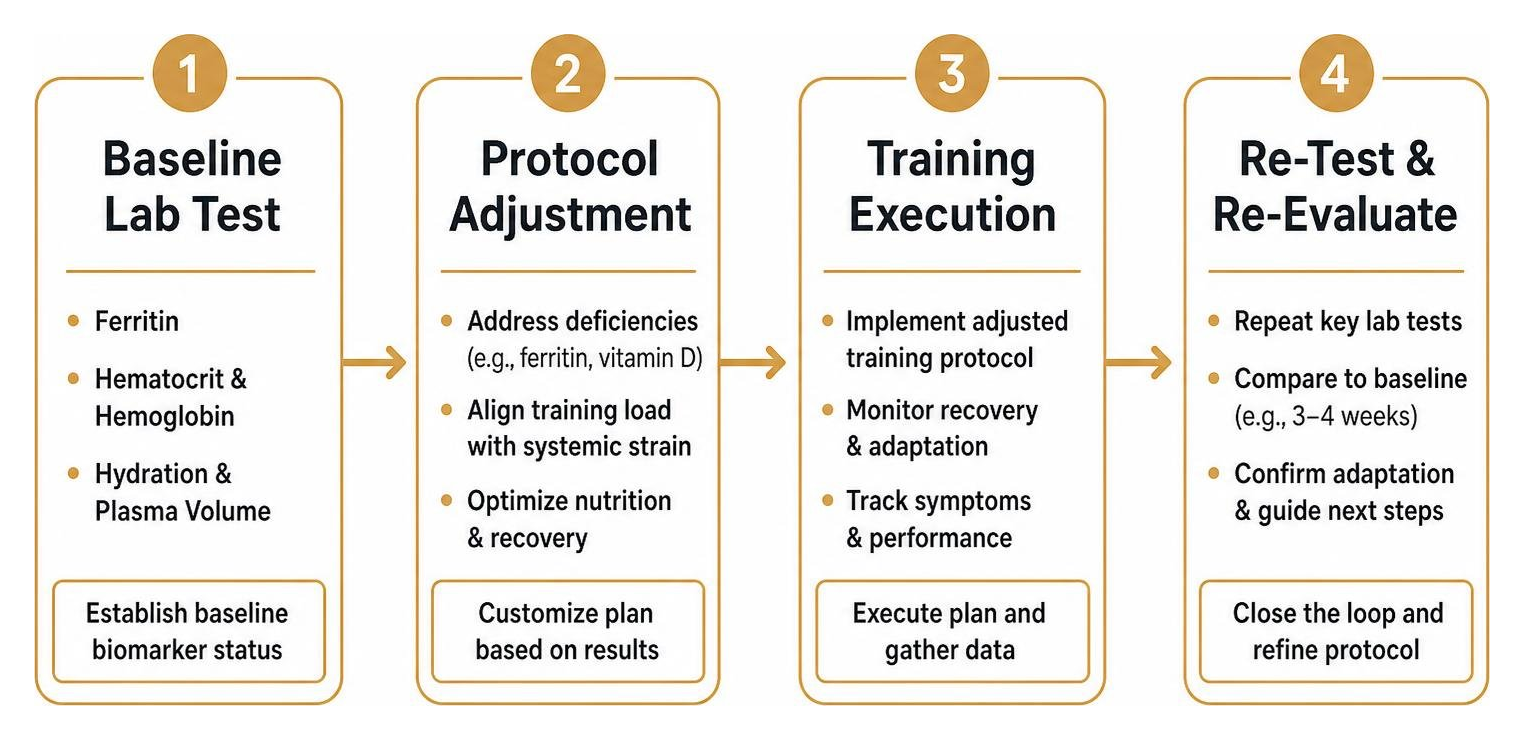
Address Critical Deficiencies First: If serum ferritin or 25-hydroxy vitamin D is suppressed, prioritize supportive repletion immediately. Retest in 8 to 12 weeks to confirm absorption.
Refine Lipid and Fatty Acid Profiles: If an Omega-3 Index test reveals low EPA/DHA membrane levels, adjusting dietary intake directly supports cardiovascular resilience and soft-tissue recovery.
Align Volume with Systemic Strain: If liver enzymes, creatine kinase, and hs-CRP are chronically elevated while your free androgen index dips, your body is signaling non-functional overreaching. Use our biomarker training plan guide 2026 to strategically deload training volume.
Use At-Home Screening Between Formal Draws: Athletes who travel frequently or train across multiple seasons can also explore how to test for inflammation at home for rapid, point-of-care feedback on recovery status.
Frequency Guidelines: When to Schedule Lab Testing for Athletes
To get consistent value from your lab work, establish a reliable testing cadence:
Baseline Testing (Pre-Season / Off-Season): Run a comprehensive panel covering micronutrients, hormones, metabolic markers, and organ function before high-volume training begins.
Mid-Season Checkpoint (Peak Volume): A focused panel evaluating iron status, CBC, creatine kinase, and hs-CRP flags any physiological strain before competition.
Post-Season / Recovery Audit: Check your metabolic and hormone markers 2 to 4 weeks after key events to assess how well your body is rebuilding baseline reserves.
Frequently Asked Questions About Lab Testing for Athletes
What is the difference between standard medical blood work and athletic lab testing?
Standard medical blood work aims to identify disease states, using broad reference ranges based on the general, largely sedentary population. Athletic lab testing focuses on functional, optimal ranges designed to maximize energy production, tissue repair, hormonal balance, and long-term vitality under physical strain.
How does altitude training alter lab test results?
Altitude training stimulates endogenous erythropoietin (EPO) production in response to environmental hypoxia, raising hematocrit and red blood cell counts over 3 to 4 weeks. However, because accelerated red cell production draws heavily on iron stores, athletes often experience sharp drops in serum ferritin if their intake is inadequate.
Which biomarkers show overtraining earliest?
The earliest indicators of overreaching and overtraining include persistent elevations in resting creatine kinase and hs-CRP, paired with a declining free androgen index (or suppressed free testosterone) and altered resting cortisol levels.
Conclusion
At Longevity Athlete, we specialize in precision-performance wellness consulting for disciplined athletes who want more than guesswork. By pairing individualized biomarker assessments with data-driven plans, we help you train with confidence, recover faster, and protect your long-term health.
To fit your specific competitive demands and lifestyle, we offer tailored tiers through our services: The Signature Plan is a self-guided group program. The Gold and Platinum Plans create individualized lifestyle programs. Explore how customized assessments can elevate your performance by visiting our homepage today.