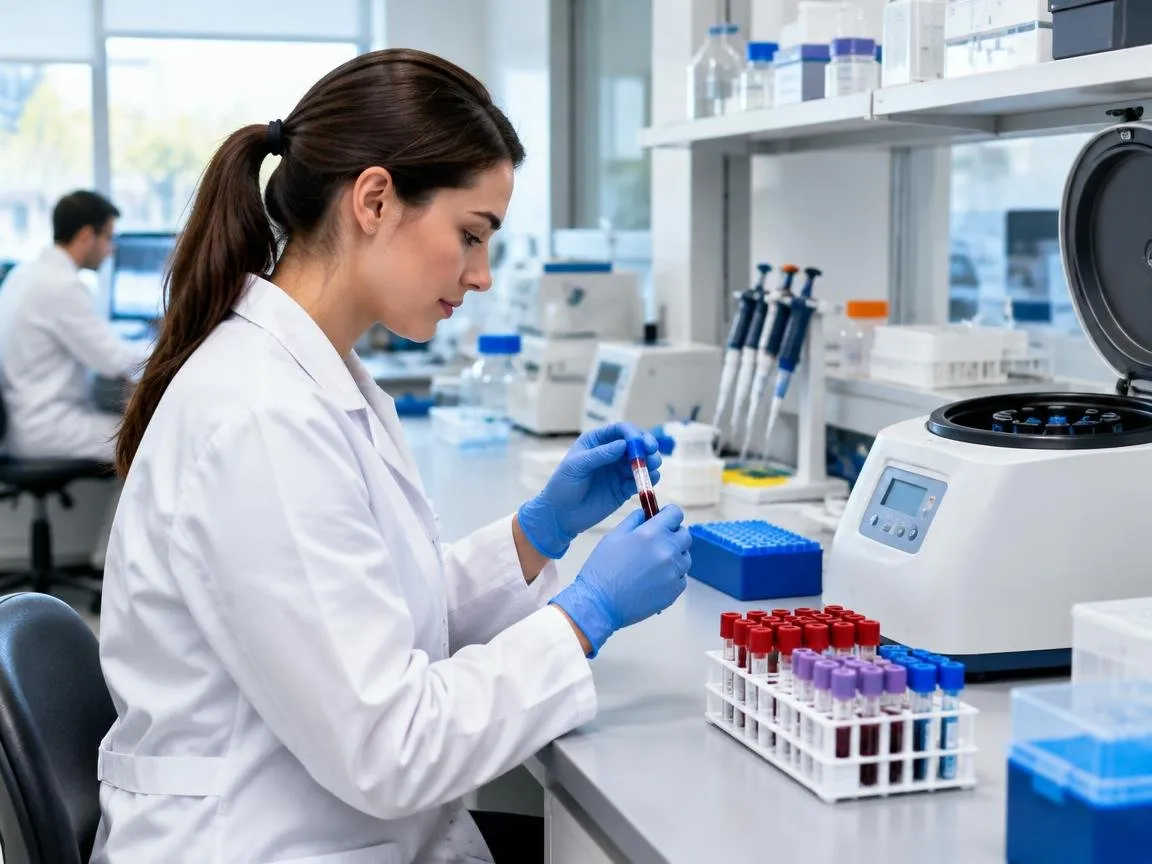
Overtraining Blood Markers That Reveal You Need Rest Immediately
Understanding the Fatigue Continuum: FOR, NFOR, and Overtraining Syndrome
If you're searching for overtraining blood markers that reveal you need rest immediately, the key signals are a sustained drop in the free testosterone-to-cortisol ratio of more than 30%, dramatic spikes in resting creatine kinase (CK) and lactate dehydrogenase (LDH), blunted cortisol output during exercise stress, and depleted serum ferritin. These markers indicate that training stress has shifted from productive adaptation to systemic strain. Training adaptation exists on a biological continuum. When we apply training stress, the body temporarily tires, recovers, and adapts to reach a higher level of fitness. However, when the balance between training volume, intensity, and recovery breaks down, fatigue shifts from productive to pathological.
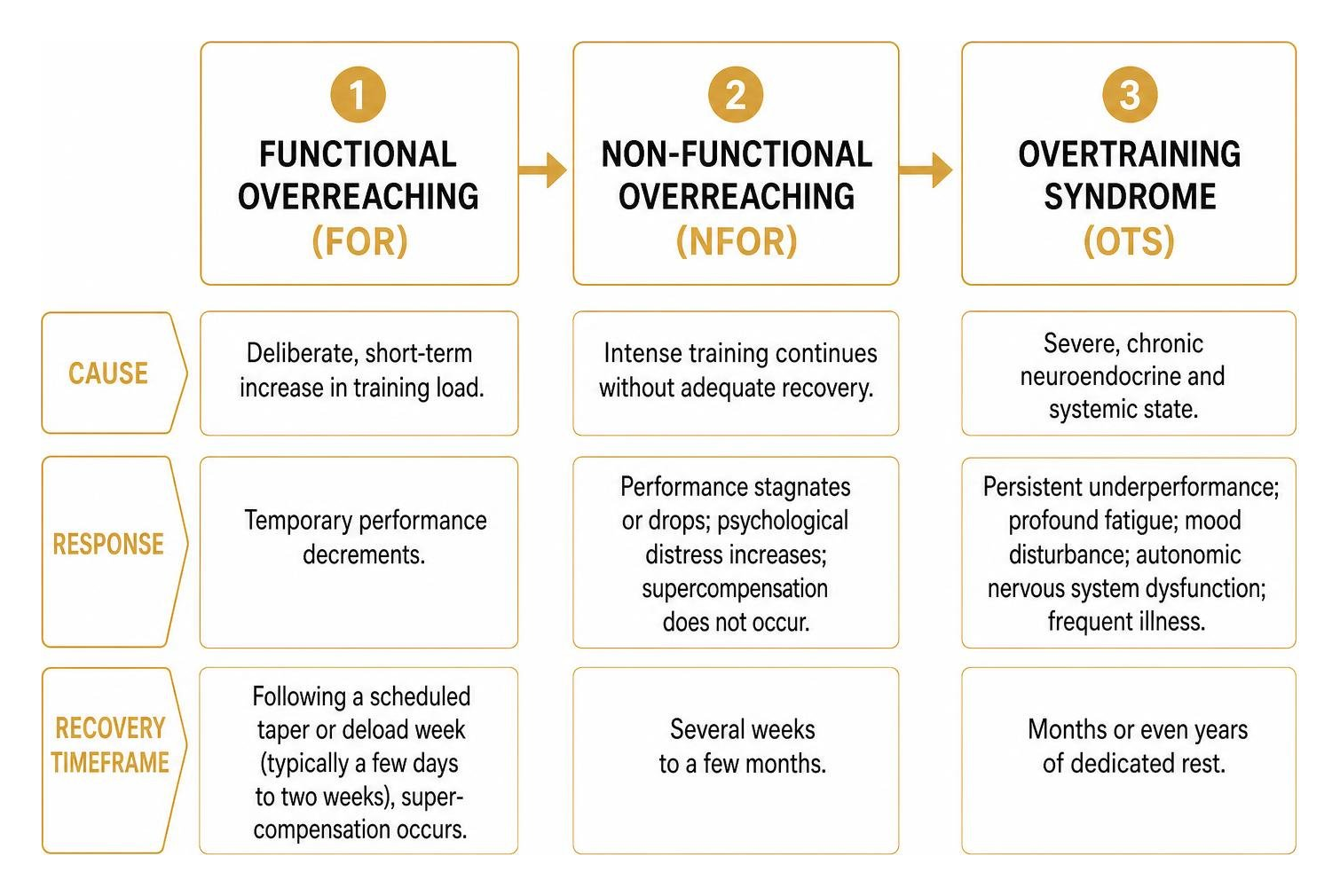
Understanding where an athlete sits along this spectrum is vital:
Functional Overreaching (FOR): A deliberate, short-term increase in training load that causes temporary performance decrements. Following a scheduled taper or deload week (typically lasting a few days to two weeks), the athlete experiences "supercompensation," returning stronger and faster than before.
Non-Functional Overreaching (NFOR): Occurs when intense training continues without adequate recovery. Performance stagnates or drops, psychological distress increases, and recovery takes several weeks to a few months. Supercompensation does not occur.
Overtraining Syndrome (OTS): A severe, chronic neuroendocrine and systemic state characterized by persistent underperformance, profound fatigue, mood disturbance, autonomic nervous system dysfunction, and frequent illness. Recovery from true OTS often requires months or even years of dedicated rest.
Between 30% and 60% of athletes experience the negative effects of overtraining during their careers, spanning both endurance and team disciplines. Around two-thirds of elite runners and one-third of non-elite runners encounter overtraining syndrome at some point.
Dimension | Functional Overreaching (FOR) | Non-Functional Overreaching (NFOR) | Overtraining Syndrome (OTS) |
|---|---|---|---|
Recovery Timeline | Days to 2 weeks | 2 to 8 weeks | Months to years |
Performance Impact | Temporary drop, followed by supercompensation | Prolonged stagnation or decline; no supercompensation | Severe, long-term performance collapse |
Autonomic State | Mild sympathetic strain | Early autonomic imbalance | Sympathetic overdrive or parasympathetic exhaustion |
Endocrine Response | Mild, transient cortisol and CK elevation | Markedly elevated basal cortisol; reduced testosterone ratios | Blunted hormonal response to stress; severe endocrine dysregulation |
Psychological State | Transient fatigue, stable mood | Heightened irritability, disturbed sleep, anxiety | Clinical mood disturbances, apathy, severe emotional burnout |
Defining the Pathological Progression
The transition from FOR to OTS represents a breakdown of central regulatory networks. As chronic under-recovery persists, the hypothalamic-pituitary-adrenal (HPA) and hypothalamic-pituitary-gonadal (HPG) axes become destabilized. What begins as peripheral muscle fatigue progresses into neuroendocrine depletion and central nervous system exhaustion.
Historically, diagnosing these states has presented major clinical hurdles because athletes often exhibit "normal" resting lab values according to broad population reference ranges. A systematic review on biochemical biomarkers of overtraining emphasizes that overtraining is a multidimensional pathology involving intermediary metabolism, redox status, hormonal function, and immune balance. Catching this progression early requires looking beyond generic lab reference intervals and evaluating systemic trends.
Interpreting Key Overtraining Blood Markers Across Fatigue Stages
Biochemical markers shift predictably as an athlete moves from healthy adaptation into maladaptive states. During functional overreaching, we typically observe moderate, expected spikes in muscle damage and stress hormones that clear rapidly with rest. In non-functional overreaching, catabolic signaling escalates dramatically. Once full OTS sets in, the body's acute stress response often burns out entirely, resulting in paradoxically blunted hormonal outputs during exercise stress.
According to research on disadaptation diagnostics in strength athletes, distinct biomarker percentage shifts can help delineate these stages:
In Functional Overreaching: Creatine phosphokinase (CPK/CK) increases moderately by approximately 50% to 53%, accompanied by a modest cortisol rise of 23% to 26%, which returns to baseline after brief rest.
In Non-Functional Overreaching: Lactate dehydrogenase (LDH) spikes by 30% to 47%, while basal cortisol surges by 75% to 107%, signaling high catabolic strain.
In Overtraining Syndrome: CPK/CK surges dramatically by 143% to 173%, LDH increases by 66% to 92%, and basal or stress-induced cortisol production can drop by 46% to 54% due to adrenal and HPA-axis exhaustion.
Tracking these directional shifts provides actionable intelligence before an athlete crosses the threshold into long-term systemic collapse.
Essential Overtraining Blood Markers Every Athlete Should Track
Because no single isolated biomarker can definitively diagnose overtraining syndrome, sports scientists and clinical practitioners rely on multi-marker panels. These panels evaluate endocrine equilibrium, muscular integrity, substrate utilization, and immune function.
Endocrine Ratios: Testosterone, Cortisol, and Estradiol Dynamics
The endocrine system regulates the body's balance between anabolism (tissue repair and growth) and catabolism (tissue breakdown).
Testosterone-to-Cortisol (T:C) Ratio: Cortisol is our primary glucocorticoid stress hormone, while testosterone drives protein synthesis and muscular recovery. When training loads are balanced, anabolic signaling recovers quickly post-workout. Under excessive training strain, resting cortisol climbs while free and total testosterone drop. A sustained drop in the free testosterone-to-cortisol ratio of greater than 30% indicates severe catabolic stress and an elevated risk of overtraining.
Estradiol and Aromatase Dynamics: In male athletes, chronic overtraining can induce peripheral aromatase activity, driving elevated basal estradiol levels. The landmark EROS-BASAL study on endocrine markers evaluated overtrained athletes, healthy trained athletes, and sedentary controls (Cadegiani & Kater, 2019). The researchers found that OTS-affected male athletes demonstrated a roughly 50% reduction in their testosterone-to-estradiol ratio (averaging 10.8 ± 3.7 compared to 20.8 ± 9.9 in healthy athletes), alongside heightened nocturnal urinary catecholamines and dopamine excretion (Cadegiani & Kater, 2019).
Blunted Stress Response: While acute training spikes stress hormones in a healthy state, overtrained athletes often exhibit a blunted plasma cortisol, heart rate, and blood lactate response during standardized high-intensity exercise stress tests (Gleeson, 2002). When the endocrine system no longer mounts an appropriate response to physical stress, systemic exhaustion has occurred (Gleeson, 2002).
Muscle Damage and Metabolic Stress: Creatine Kinase, Lactate, and Ferritin
Metabolic and structural markers provide visibility into tissue recovery and cellular energy availability:
Creatine Kinase (CK) and Urea: Elevated resting CK indicates mechanical sarcolemma disruption. While acute spikes occur after eccentric lifting or downhill running, persistently high resting CK—especially when accompanied by elevated blood urea nitrogen (BUN), uric acid, or ammonia—points to excessive muscle proteolysis and inadequate recovery. Athletes can explore dedicated creatine kinase blood testing to understand individual clearance rates.
Blood Lactate Dynamics: Paradoxically, overtrained endurance athletes often display lower maximal blood lactate concentrations during maximal exercise testing (Gleeson, 2002). This occurs due to depleted muscle glycogen reserves, down-regulated beta-adrenergic receptors, and impaired glycolytic enzymatic activity (Gleeson, 2002).
Serum Ferritin and Energy Balance: Ferritin reflects intracellular iron stores vital for cellular respiration and oxygen delivery. Progressive ferritin depletion without active bleeding frequently signals low energy availability (LEA) or systemic metabolic exhaustion. Evaluating these metrics alongside other essential performance biomarkers gives a clear view of an athlete's physiological reserves.
Immune and Inflammatory Profiling: White Blood Cells and Cytokines
The immune system is exquisitely sensitive to physical overload. Upper respiratory tract infections (URTIs) represent one of the most common early clinical manifestations of overtraining:
Neutrophil-to-Lymphocyte Ratio (NLR): High physical stress acutely mobilizes neutrophils while driving lymphocyte apoptosis. However, in chronic OTS, basal neutrophil counts often drop significantly (for instance, 2986 ± 761 mm³ in OTS athletes versus 3809 ± 1431 mm³ in healthy controls) (Cadegiani & Kater, 2019), altering the NLR and signaling immune suppression (Cadegiani & Kater, 2019).
CD45RO+ T-Lymphocytes: Prolonged training stress shifts resting lymphocyte phenotypes. Elevated expression of CD45RO+ memory T-cells serves as an immunological indicator of chronic physiological distress (Gleeson, 2002).
Systemic Inflammatory Cascades: Chronic musculoskeletal microtrauma triggers sustained elevations in pro-inflammatory cytokines such as interleukin-6 (IL-6) and tumor necrosis factor-alpha (TNF-α), alongside high-sensitivity C-reactive protein (hs-CRP). Monitoring these systemic inflammation blood markers helps differentiate standard post-exercise inflammation from systemic immune disadaptation.
How to Use Blood Testing to Rule Out Overtraining Mimics

Because overtraining syndrome lacks a singular diagnostic biomarker, clinical sports medicine treats OTS primarily as a diagnosis of exclusion. Many underlying medical disorders closely mimic the symptoms of overtraining, including chronic fatigue, declining power output, brain fog, and sleep disruption.
Differential Diagnosis: Anemia, Thyroid Dysfunction, and Post-Viral Fatigue
Before concluding that an athlete suffers from neuroendocrine overtraining, routine clinical blood panels must systematically rule out alternative organic pathologies:
Iron Deficiency and Anemia: A drop in hemoglobin, hematocrit, serum iron, and ferritin can severely compromise VO2max and exercise tolerance. Microcytic anemia or non-anemic iron deficiency often presents with identical fatigue symptoms to NFOR.
Thyroid Dysfunction: Primary or subclinical hypothyroidism (elevated TSH, depressed free T3 and free T4) slows basal metabolic rate, impairs muscle contractility, and induces lethargy. Conversely, early thyroiditis can cause unexplained resting tachycardia.
Post-Viral Fatigue Syndromes: Latent viral reactivations (such as Epstein-Barr virus or cytomegalovirus) or post-viral sequelae can depress performance for months. Comprehensive viral titers and white blood cell differential counts help establish whether immune exhaustion stems from an infectious etiology.
Vitamin Deficiencies and Systemic Inflammation: Severe insufficiencies in vitamin D3, vitamin B12, or red blood cell magnesium impair muscle regeneration and neurotransmitter synthesis. Athletes experiencing chronic muscle soreness should also consider comprehensive inflammation testing, or even testing inflammation at home, to rule out subclinical autoimmune issues or localized soft-tissue pathology.
Contextual Factors Influencing Overtraining Blood Markers
Biomarkers never exist in a vacuum. Interpreting lab values accurately requires accounting for external biological and environmental variables:
Menstrual Cycle Dynamics: In female athletes, fluctuations in estrogen and progesterone alter substrate metabolism, core body temperature, and resting immune markers. Resting cortisol and inflammation markers can rise naturally during the mid-luteal phase. Evaluating training tolerance alongside cyclical hormone shifts is essential.
Relative Energy Deficiency in Sport (REDs): Training with insufficient caloric intake suppresses triiodothyronine (T3), insulin-like growth factor 1 (IGF-1), and sex steroids while elevating morning cortisol. Many cases labeled as "overtraining" are fundamentally under-fueling issues that require structured biomarker based nutrition plans to restore glycogen storage and endocrine function.
Sleep Debt and Life Stressors: Non-training stressors—such as poor sleep hygiene, travel, or occupational anxiety—activate the sympathetic nervous system and raise baseline cortisol, compounding physical training loads.
How to Implement a Biomarker Monitoring Protocol to Prevent Overtraining
Preventing overtraining requires proactive, longitudinal tracking rather than reactive testing after performance has already crashed. At Longevity Athlete, our approach to precision-performance wellness consulting relies on tracking biomarker trajectories relative to an athlete's established biological baseline.
Baseline, Peak Load, and Recovery Testing Windows
To build a reliable biomarker tracking system, establish testing protocols across distinct phases of the training calendar:
Pre-Season Baseline Testing: Conduct full testing when fully rested (e.g., following an off-season transition phase). This establishes your personal reference ranges for hormones, inflammatory markers, and red cell indices.
Peak Volume / High-Intensity Testing: Test during maximal training blocks to evaluate how your physiology handles acute stress.
Deload and Recovery Testing: Test at the conclusion of a scheduled recovery week to verify whether muscle damage, stress hormones, and metabolic markers have returned to baseline before ramping load back up.
To ensure sample consistency across tests:
Draw blood in the morning (between 7:00 AM and 9:00 AM) in a fasted state to control for diurnal hormone rhythms.
Standardize testing to occur 36 to 48 hours after the last strenuous workout to avoid skewing basal readings with acute exercise artifacts.
Ensure consistent hydration and record where female athletes are in their menstrual cycle.
Integrating this data with a dynamic biomarker training plan guide 2026 allows coaches and athletes to make objective, micro-level adjustments to training volume.
Data-Driven Protocol Adjustments and Recovery Strategies
When biomarker trends reveal escalating catabolism or systemic strain, implement immediate protocol adjustments:
If CK and Urea Remain Chronically Elevated: Reduce weekly eccentric load and total training volume by 30% to 50% for two weeks, increasing dietary protein and carbohydrate intake to facilitate glycogen synthesis.
If the Free Testosterone-to-Cortisol Ratio Drops >30%: Eliminate high-intensity interval sessions (Zone 4/5) and replace them with low-intensity Zone 1/2 active recovery or complete rest to restore HPA axis balance.
If True Overtraining Syndrome Has Developed: Full resolution requires a mandatory period of complete rest from structured training—often lasting 4 to 6 weeks minimum, followed by a gradual, biomarker-verified reintroduction of movement.
Combining longitudinal blood testing with daily physiological metrics like heart rate variability (HRV) and resting heart rate creates an early-warning radar system for your body.
Frequently Asked Questions About Overtraining Blood Markers
How long does it take for overtraining blood markers to normalize?
The recovery timeline depends on the severity of physiological disadaptation. Functional overreaching markers (such as acute CK spikes or transient cortisol rises) typically normalize within 3 to 14 days of reduced training load.
Non-functional overreaching usually requires 2 to 8 weeks of active rest and nutritional support. True overtraining syndrome involves deep neuroendocrine, autonomic, and immunological dysfunction that can take anywhere from 3 months to over a year of complete rest and medical management to fully normalize.
What is the single most sensitive blood marker for impending overtraining?
No single isolated blood marker can definitively diagnose or predict impending overtraining. The sports science consensus confirms that individual markers fluctuate significantly based on acute exercise, diet, and circadian rhythms.
The most reliable approach is tracking a multi-marker panel—specifically assessing the free testosterone-to-cortisol ratio, resting creatine kinase relative to personal baseline, serum ferritin, and the hormonal response to a standardized exercise challenge.
Can wearable data and HRV replace blood marker testing for overtraining?
Wearables and daily HRV tracking are valuable tools for monitoring autonomic nervous system tone, but they cannot replace blood biomarker testing. Wearable metrics can indicate poor recovery or autonomic imbalance, but they cannot identify the underlying biological cause.
Only comprehensive blood work can reveal whether that autonomic fatigue is driven by ferritin depletion, suppressed testosterone, thyroid down-regulation, systemic inflammation, or latent viral reactivation. Blood chemistry provides the diagnostic clarity that surface wearables miss.
Conclusion
Sustained athletic progression requires balancing training stress with physiological recovery. Pushing through severe fatigue without biological feedback risks converting short-term overreaching into long-term overtraining syndrome. By tracking essential overtraining blood markers—including hormonal ratios, muscle damage enzymes, ferritin, and immune profiles—disciplined athletes can identify physiological strain early, protect their health, and sustain long-term performance.
At Longevity Athlete, we provide precision-performance wellness consulting to help athletes optimize their longevity and performance through comprehensive biomarker analysis and protocol refinement. We offer distinct pathways suited to different training needs: our Signature Plan is a self-guided group program, while our Gold and Platinum Plans create individualized lifestyle protocols tailored to your unique biology.
If you are ready to remove the guesswork from your training and recovery, learn more about our Signature Plan, Gold Membership, and Platinum Membership.
References
Gleeson M. "Biochemical and immunological markers of over-training.." Journal of sports science & medicine, 2002. PMCID PMC3963240. Cadegiani FA, Kater CE. "Basal Hormones and Biochemical Markers as Predictors of Overtraining Syndrome in Male Athletes: The EROS-BASAL Study.." Journal of athletic training, 2019. PMCID PMC6756603.