
Take Full Control of Your Body With Personalized Biomarker Analysis
Personalized Biomarker Analysis Turns Health Data Into Action
Personalized biomarker analysis helps you use your own blood, genetic, and recovery data to make smarter decisions about training, nutrition, sleep, and long-term health. Instead of treating a lab result as simply "normal" or "abnormal," look at the pattern, your personal baseline, your goals, and changes over time.
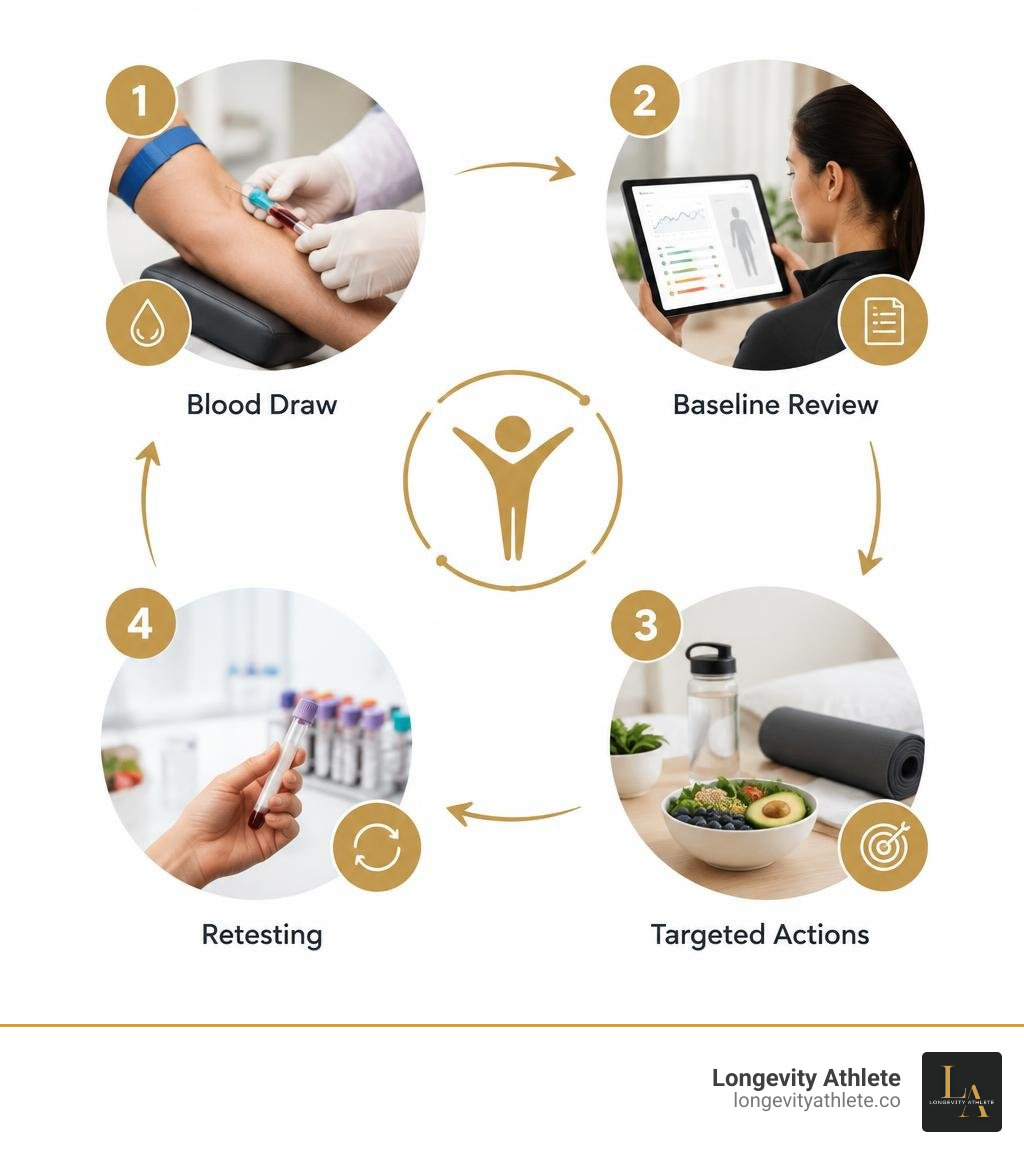
For an athlete, a practical starting point is to:
Establish a baseline for inflammation, metabolic health, hormones, nutrient status, and recovery.
Compare results with both clinical reference ranges and your past results.
Connect meaningful patterns to training load, diet, sleep, stress, and symptoms.
Adjust one or two variables at a time, then retest to see what actually changed.
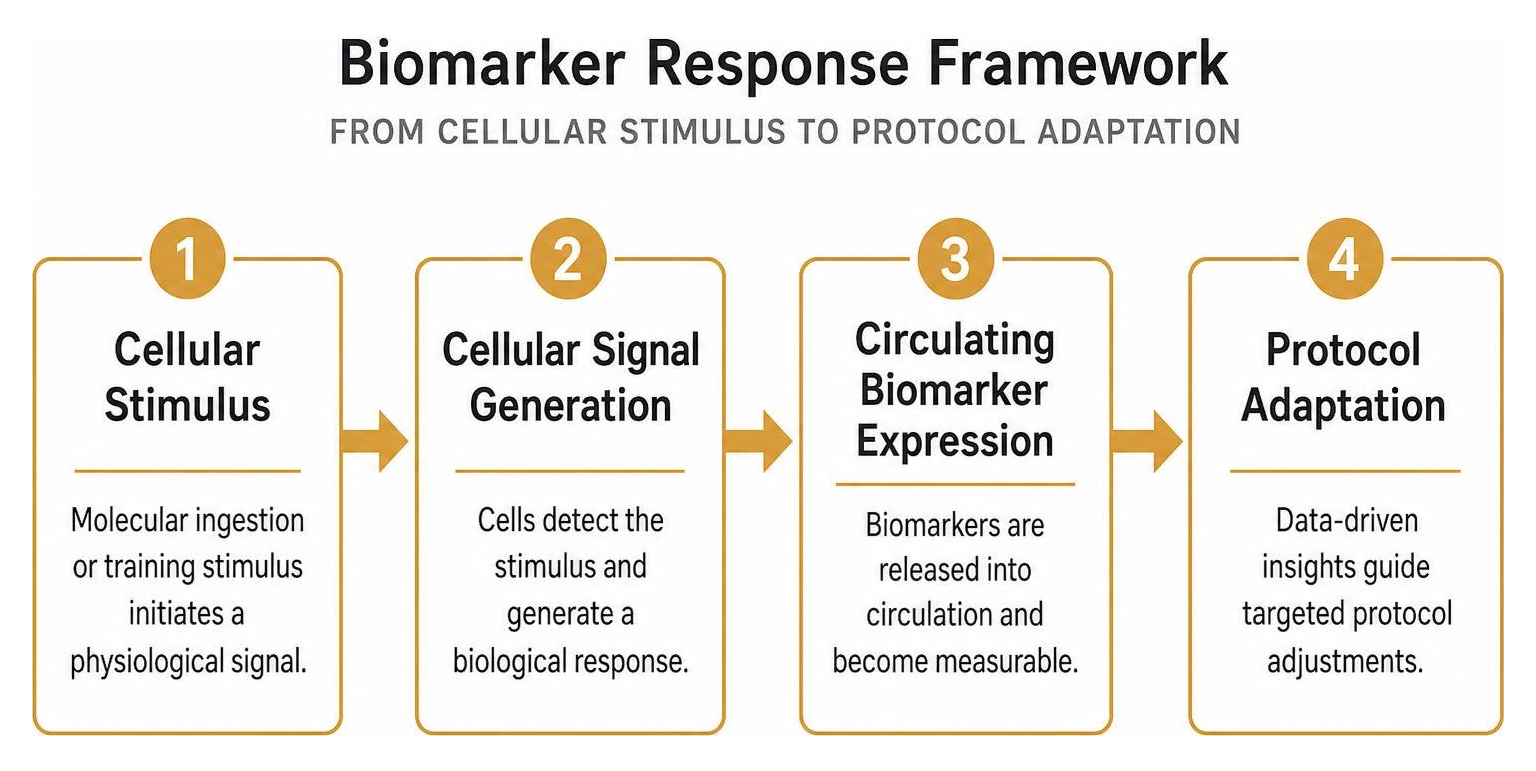
Biomarkers are measurable signals of what is happening inside the body. They can include proteins, hormones, blood cells, lipids, metabolites, and genetic variants. Used well, they reveal signals that a training log or wearable may miss, such as persistent inflammation, poor glucose control, inadequate recovery, or hormonal strain.
That does not mean every out-of-range result demands a supplement or a major protocol change. Context matters. A hard training block can temporarily shift markers such as creatine kinase or cortisol. The useful question is whether the result fits your baseline, your performance, and the trend across repeated tests.
At Longevity Athlete, the goal is to turn complex biological data into clear next steps for better performance and healthspan. The Signature Plan is a self-guided group program. The Gold and Platinum Plans create individualized lifestyle protocols.
The Science Behind Personalized Biomarker Analysis and Precision Health
In modern medicine and human performance, biomarkers serve as objective, measurable indicators of normal biological processes, pathogenic states, or pharmacodynamic responses to therapeutic interventions (Drugan & Leucuța, 2024). For decades, medicine relied on broad-stroke generalizations: if your lab values fell within standard population averages, you were deemed healthy. However, the paradigm shift toward precision health recognizes that what is "average" across an entire population—which often includes sedentary and chronically unwell individuals—is rarely optimal for an athlete striving for peak physical output and extended healthspan.
Biomarkers are categorized into distinct functional classes:
Diagnostic Biomarkers: Confirm the presence of a specific condition or physiological state.
Prognostic Biomarkers: Indicate the likely progression of a biological state or long-term risk profile over time.
Predictive Biomarkers: Forecast how an individual will respond to a specific nutritional, lifestyle, or pharmacological intervention (such as checking receptor sensitivity before targeted therapies).
Pharmacodynamic / Response Biomarkers: Measure the immediate biological effect of an intervention, revealing whether a given protocol has engaged its intended target.
In oncology and liquid biopsy research, precision technologies have evolved to detect molecular changes at astonishingly subtle thresholds. For instance, scientific research on ultra-sensitive personalized circulating DNA validation demonstrates how next-generation analytical platforms achieve limits of detection down to single parts per million (Northcott et al., 2024). This exact precision philosophy—detecting subclinical biological shifts before overt dysfunction occurs—underpins how we evaluate athletic physiology.
Why Athletes Need Personalized Biomarker Analysis Over Standard Reference Ranges
Standard laboratory reference ranges are designed to identify overt disease, not to optimize performance. A standard reference interval represents the central 95% of a broad, heterogeneous population. If your fasting glucose sits at 99 mg/dL or your high-sensitivity C-reactive protein (hs-CRP) is 2.8 mg/L, standard medicine labels you "normal." However, for a high-performing individual, those values signal creeping insulin resistance and underlying systemic stress.
Tracking key performance biomarkers allows us to pinpoint subclinical fatigue, autonomic strain, and blunted metabolic flexibility weeks before they manifest as overtraining syndrome or poor race-day output. By building an individualized historical baseline, we detect when a 15% shift in an endocrine marker signals systemic under-recovery, even if that marker remains technically inside the laboratory's wide population boundaries.
Multi-Omics Integration in Personalized Biomarker Analysis
Single-layer biomarker analysis (such as looking only at basic blood chemistry or isolated genetic variants) provides an incomplete snapshot of your biology. Complex human performance is governed by dynamic interactions across multiple physiological layers.
To overcome single-omics blind spots and lower false-discovery rates, contemporary precision medicine utilizes multi-omics data integration:
Genomics: Identifies your baseline genetic architecture, including single nucleotide polymorphisms (SNPs) affecting nutrient metabolism, detoxification, and hormone receptor sensitivity.
Epigenomics & cfDNA: Reflects cellular turnover, environmental adaptation, and biological age.
Proteomics: Quantifies functional signaling proteins, circulating enzymes, and immune cytokines actively driving cellular processes.
Metabolomics & Lipidomics: Measures the downstream biochemical end-products of metabolism, providing a real-time read on fuel utilization, lipid particle subfractions, and mitochondrial efficiency.
By fusing these data layers into a unified biological network, we avoid the statistical noise of isolated outliers and identify converging pathways that dictate real-world performance.
Essential Biomarker Categories for Health, Recovery, and Longevity

Achieving full control over your body requires monitoring a balanced array of biological systems. We categorize these essential markers into three core domains: immune-inflammatory, musculoskeletal, and endocrine-metabolic.
Inflammation and Immune Profiling
Exercise induces acute, healthy inflammatory signaling necessary for tissue adaptation. However, chronic low-grade systemic inflammation impairs glycogen resynthesis, disrupts sleep architecture, and accelerates cellular aging.
Key markers include:
High-Sensitivity C-Reactive Protein (hs-CRP): A critical acute-phase reactant produced by the liver. While values below 1.0 mg/L represent baseline health, elite recovery protocols aim for values consistently below 0.5 mg/L.
Ferritin: While an essential marker of iron stores, elevated ferritin acts as an inflammatory acute-phase reactant.
Interleukin Dynamics: Monitoring pro- and anti-inflammatory signaling cytokines to gauge immune system resilience.
Understanding these dynamics through regular screening or testing for inflammation at home helps you determine whether your body is absorbing your training load or accumulating systemic damage.
Musculoskeletal Strain and Muscle Damage Markers
Tracking structural tissue breakdown provides an objective indicator of mechanical stress and neuromuscular fatigue. When training volume or intensity spikes, muscle cell membranes experience microtrauma, leaking internal enzymes into the bloodstream.
Creatine Kinase (CK): An essential enzyme responsible for cellular energy homeostasis in muscle tissue. While an acute post-workout elevation is expected, chronically elevated levels indicate incomplete repair and heightened risk for overtraining syndrome. Consistently monitoring creatine kinase blood levels ensures training adaptations do not cross the threshold into tissue breakdown.
Lactate Dehydrogenase (LDH): A systemic marker of cellular turnover and muscular strain.
Myoglobin & AST/ALT Ratios: Secondary indicators that help differentiate between skeletal muscle recovery demands and systemic hepatic strain.
Metabolic and Endocrine Optimization
Hormones act as the body's master signaling network, regulating fuel partitioning, protein synthesis, and nervous system recovery.
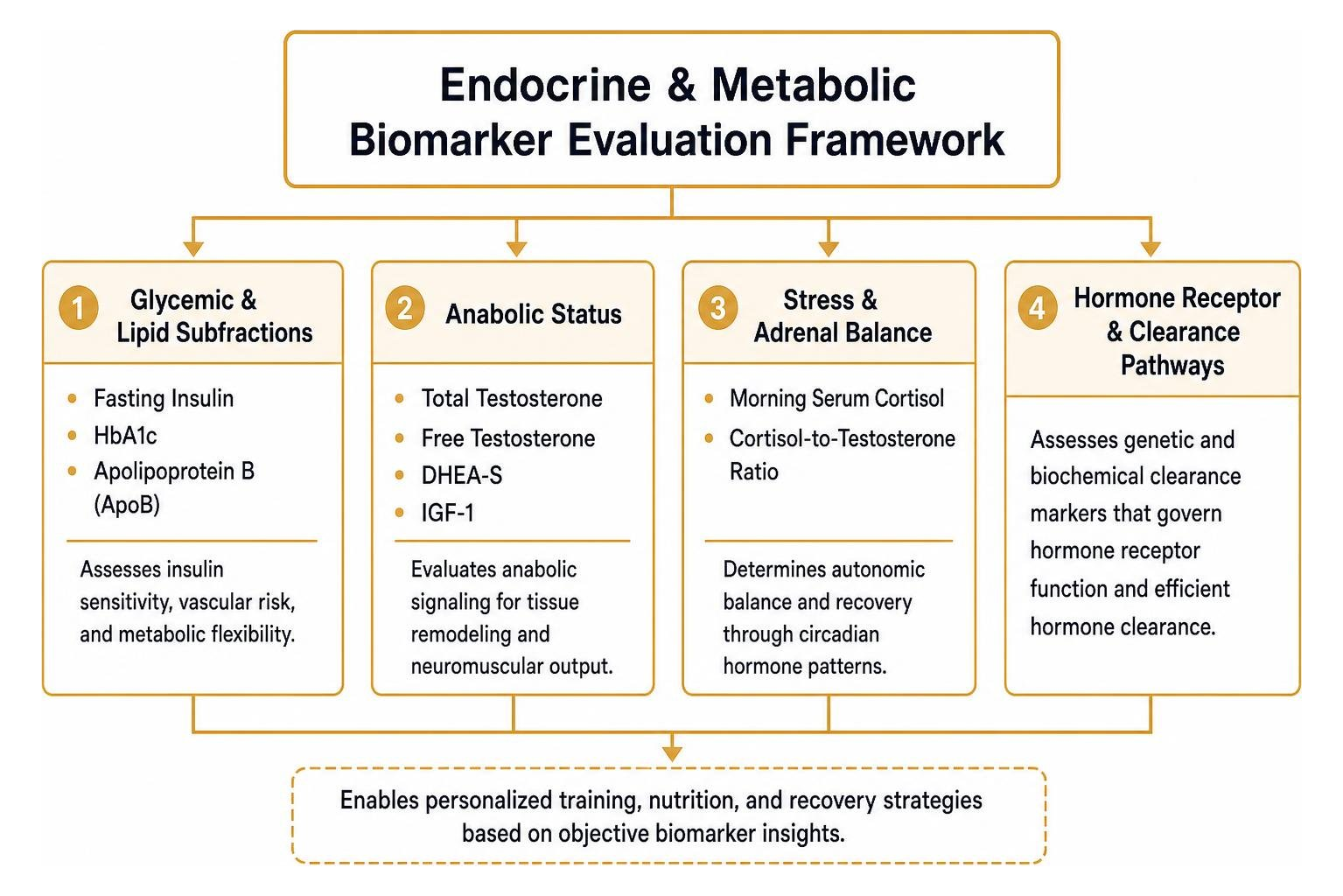
Glycemic & Lipid Subfractions: Fasting insulin, HbA1c, and Apolipoprotein B (ApoB). These provide an accurate assessment of insulin sensitivity, vascular risk, and metabolic flexibility under high-carbohydrate or high-fat fuel demands.
Anabolic Status: Total and Free Testosterone, DHEA-S, and Insulin-like Growth Factor 1 (IGF-1). Tracking unbound, bioavailable hormones ensures adequate signaling for tissue remodeling and neuromuscular output.
Stress & Adrenal Balance: Serum cortisol and the Cortisol-to-Testosterone ratio. Evaluating these markers in the context of circadian timing reveals whether your autonomic nervous system is stuck in prolonged sympathetic dominance.
Hormone Receptor & Clearance Pathways: Genetic and biochemical clearance markers that govern how effectively your cells process and clear circulating hormones.
Advanced Detection Technologies and the Clinical Validation Pipeline

The field of diagnostic testing has moved far beyond manual assays and basic chemical colorimetry. Today's molecular testing relies on robust high-throughput platforms that deliver unprecedented analytical sensitivity and clinical specificity.
The Discovery-to-Validation Workflow
Before any biological marker can guide actionable interventions, it must traverse a strict validation pipeline:
Analytical Sensitivity & Limit of Detection (LOD): Ensuring the assay can reliably measure minute quantities of an analyte without background noise interference.
Analytical Specificity: Confirming that the assay identifies only the target molecule, preventing cross-reactivity with structurally similar compounds.
Fit-for-Purpose Validation: Tailoring the assay's precision and dynamic range to its intended context of use, whether exploratory hypothesis generation or regulated clinical endpoints.
Clinical Utility: Proving that acting on the biomarker's data leads to measurable improvements in health outcomes, recovery speed, or athletic performance.
Liquid Biopsies and Circulating Molecular Markers
Modern liquid biopsies represent one of the greatest leaps in biotechnology. By analyzing cell-free DNA (cfDNA), circulating microRNAs, and cell-free RNA fragments from a simple peripheral blood draw, advanced sequencing pipelines can track cellular health at single-molecule resolution. In high-stakes clinical applications, personalized tumor-informed liquid biopsy assays achieve analytical specificity exceeding 99.9% and limits of detection around 1 to 3 parts per million (Northcott et al., 2024).
In health and human longevity, the same underlying principles—deep sequencing, noise-suppression algorithms, and serial longitudinal tracking—allow us to monitor metabolic stability, biological age, and cellular turnover over months and years, detecting minute deviations long before they escalate into injuries or performance plateaus.
Translating Molecular Data Into Targeted Lifestyle and Performance Protocols
Raw data without a clear framework creates confusion. The true power of precision health lies in turning laboratory values into daily, actionable protocols.
Nutrition and Supplementation Strategy
Generic dietary models fail because they ignore your unique biochemical bottlenecks. Combining genomic data with dynamic blood panels allows for targeted interventions:
Methylation & Detoxification Pathways: Genetic variants (such as MTHFR or GSTM1) influence how efficiently your body processes B-vitamins and clears metabolic waste. If markers indicate sluggish methylation, targeted methyl-donor support (like methylfolate or trimethylglycine) replaces generic multivitamin use.
Micronutrient Status: Direct measurement of red blood cell magnesium, serum zinc, 25-hydroxy vitamin D, and active B12 eliminates guessing and prevents both deficiency and supplement toxicity.
Targeted Macronutrient Timing: Pairing lipid subfractions and fasting insulin data with personalized biomarker-based nutrition plans ensures that carbohydrate and fat intake are timed around training sessions to maximize glycogen replenishment while maintaining sharp insulin sensitivity.
Training Periodization and Recovery Tracking
Biomarkers provide an objective feedback loop for training periodization. When your laboratory markers indicate elevated mechanical stress or systemic endocrine strain, your training program must adapt:
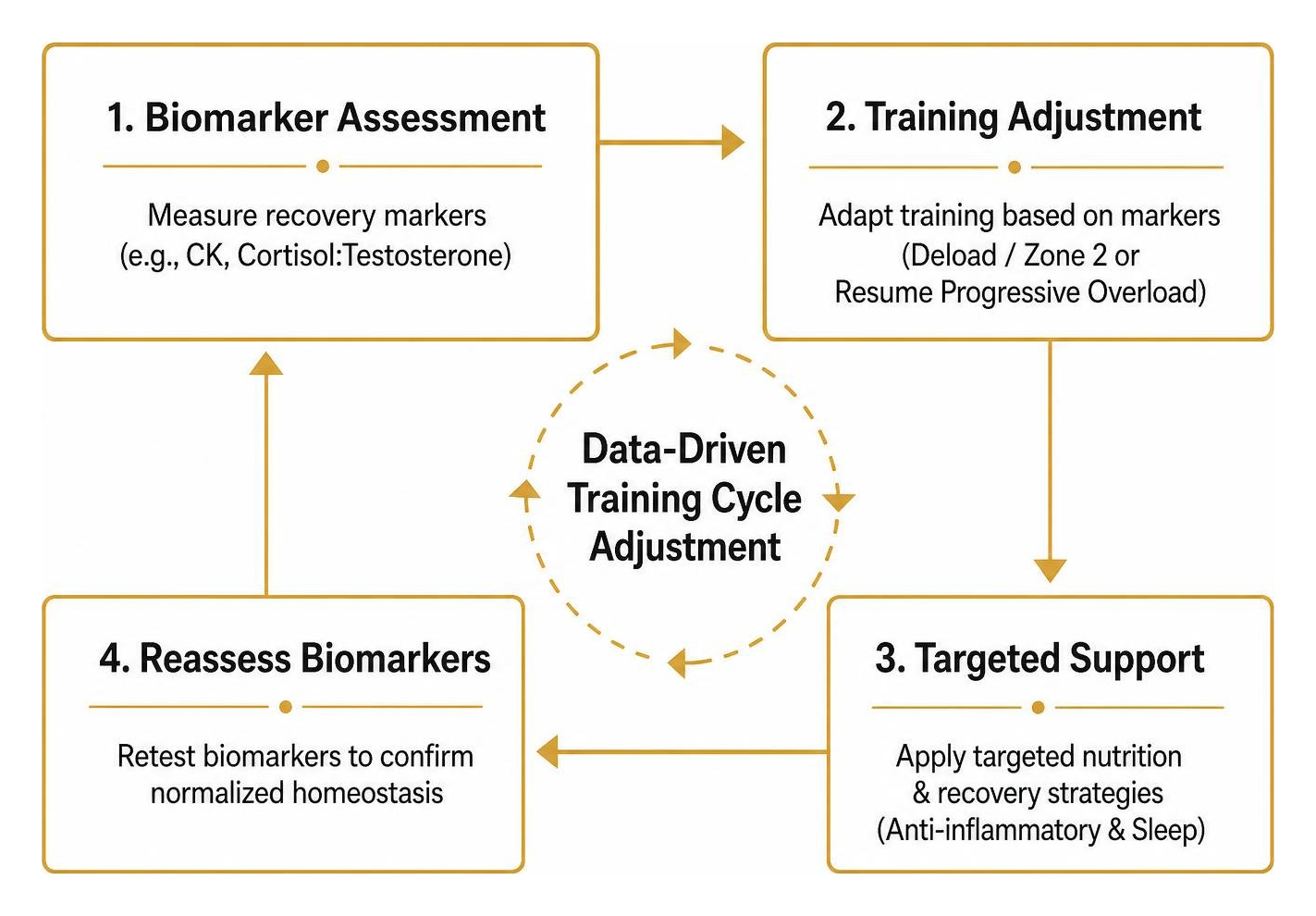
By integrating these metrics with resting heart rate variability (HRV) and sleep architecture data, our tailored athletic performance services adjust volume and intensity dynamically, protecting athletes from overreaching while maximizing long-term adaptation.
Frequently Asked Questions About Biomarker Testing
What is the primary difference between standard blood tests and personalized biomarker profiling?
Standard blood tests are designed for disease screening across broad populations. They use wide reference intervals that group healthy, active individuals with the general public. In contrast, personalized profiling establishes your unique historical baseline, evaluates markers within narrower optimal performance ranges, and analyzes multi-omics data to detect subclinical metabolic and physiological shifts before symptoms appear.
How often should biological markers be re-evaluated?
Retesting cadence depends on the biological marker's rate of turnover and your training calendar:
Acute Stress Markers (e.g., Creatine Kinase, hs-CRP): Evaluated periodically around major training phases, deloads, or intense competitions.
Hormonal and Metabolic Markers (e.g., Free Testosterone, Fasting Insulin, ApoB): Typically assessed every 8 to 12 weeks following targeted dietary, lifestyle, or training interventions.
Static Genetic Profiles: Assessed once, providing a permanent foundational map of your cellular predispositions.
How does genetic data interact with dynamic blood markers?
Your genome represents your static blueprint—identifying single nucleotide polymorphisms (SNPs) that dictate enzyme efficiency, receptor sensitivity, and nutrient processing. Dynamic blood markers (proteins, metabolites, lipids) reflect real-time gene expression, lifestyle habits, and training stress. Combining both layers provides the full picture: genetics highlights your biological risks, while blood biomarkers show how those risks are actively playing out in your body.
Conclusion
Reaching peak physical output while protecting long-term vitality requires moving beyond guesswork. By leveraging precision data, objective baseline tracking, and consistent protocol refinement, you take full control of your physiological trajectory.
At Longevity Athlete, we turn complex biological metrics into structured, results-driven action plans. The Signature Plan is a self-guided group program. The Gold and Platinum Plans create individualized lifestyle protocols. Ready to take full control of your health and performance? Explore how you can transform your physical potential with precision health protocols.
Scientific References
Drugan T, Leucuța D. "Evaluating Novel Biomarkers for Personalized Medicine.." Diagnostics (Basel, Switzerland), 2024. PMCID PMC10968717. Northcott J, Bartha G, Harris J, Li C, Navarro FCP, Pyke RM, Hong M, Zhang Q, Ma S, Chen TX, Lai J, Udar N, Saldivar JS, Ayash E, Anderson J, Li J, Cui T, Le T, Chow R, Velasco RJ, Mallo C, Santiago R, Bruce RC, Goodman LJ, Chen Y, Norton D, Chen RO, Lyle JM. "Analytical validation of NeXT Personal®, an ultra-sensitive personalized circulating tumor DNA assay.." Oncotarget, 2024. PMCID PMC10939476.