
Power Up Your Mitochondria for Sustained Athletic Endurance
Mitochondrial Health Optimization for Sustained Endurance
For mitochondrial health optimization, build a steady aerobic base, add high-intensity intervals you can recover from, eat enough nutrient-rich food, and protect your sleep. These habits may help your muscles produce and use energy more efficiently. Supplements cannot replace training and recovery.
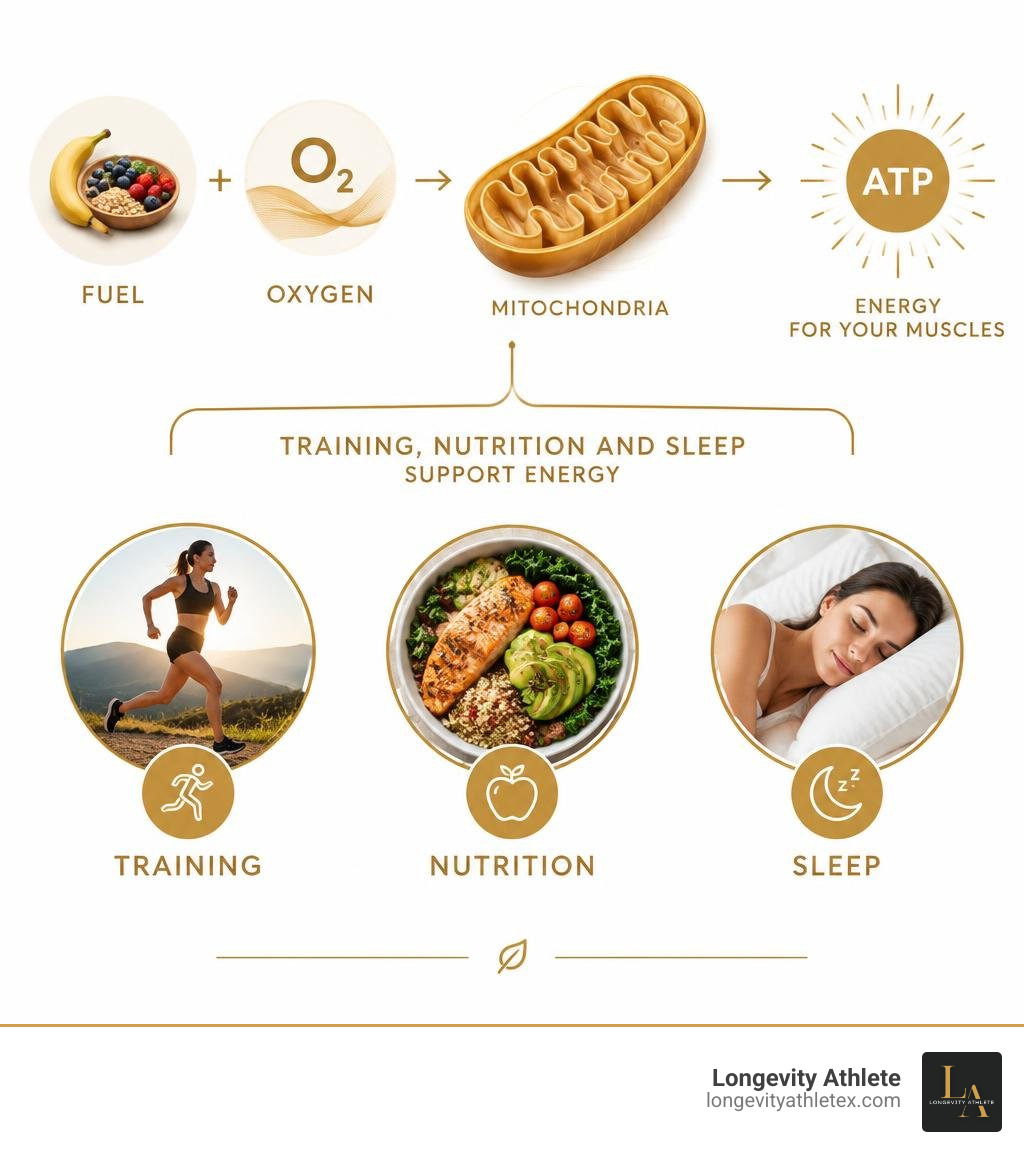
Mitochondria turn fuel and oxygen into ATP, the energy your muscles use to keep moving. Their function can change with age, but pushing harder every day is not the answer. The aim is to give your body both a reason to adapt and time to recover.
I’m Garric Vosloo, an Institute for Functional Medicine Certified Practitioner who has advised athletes, including Olympians, for over 30 years. I’ll use that experience to make mitochondrial health optimization practical, with a focus on the habits that matter most.
The Cellular Engine: Why Mitochondria Dictate Athletic Endurance and Healthspan
Mitochondria are often called the powerhouses of the cell, and for good reason. These specialized organelles generate the vast majority of our cellular energy in the form of adenosine triphosphate (ATP) through oxidative phosphorylation (Pizzorno, 2014). According to research published in Integrative Medicine (Pizzorno, 2014), a healthy person at rest produces roughly their body weight in ATP each day, while high-demand tissues like the brain consume up to 70% of baseline cellular energy. Individual human cells contain anywhere from 1,000 to 2,500 mitochondria, which can take up as much as 25% of total cell volume.
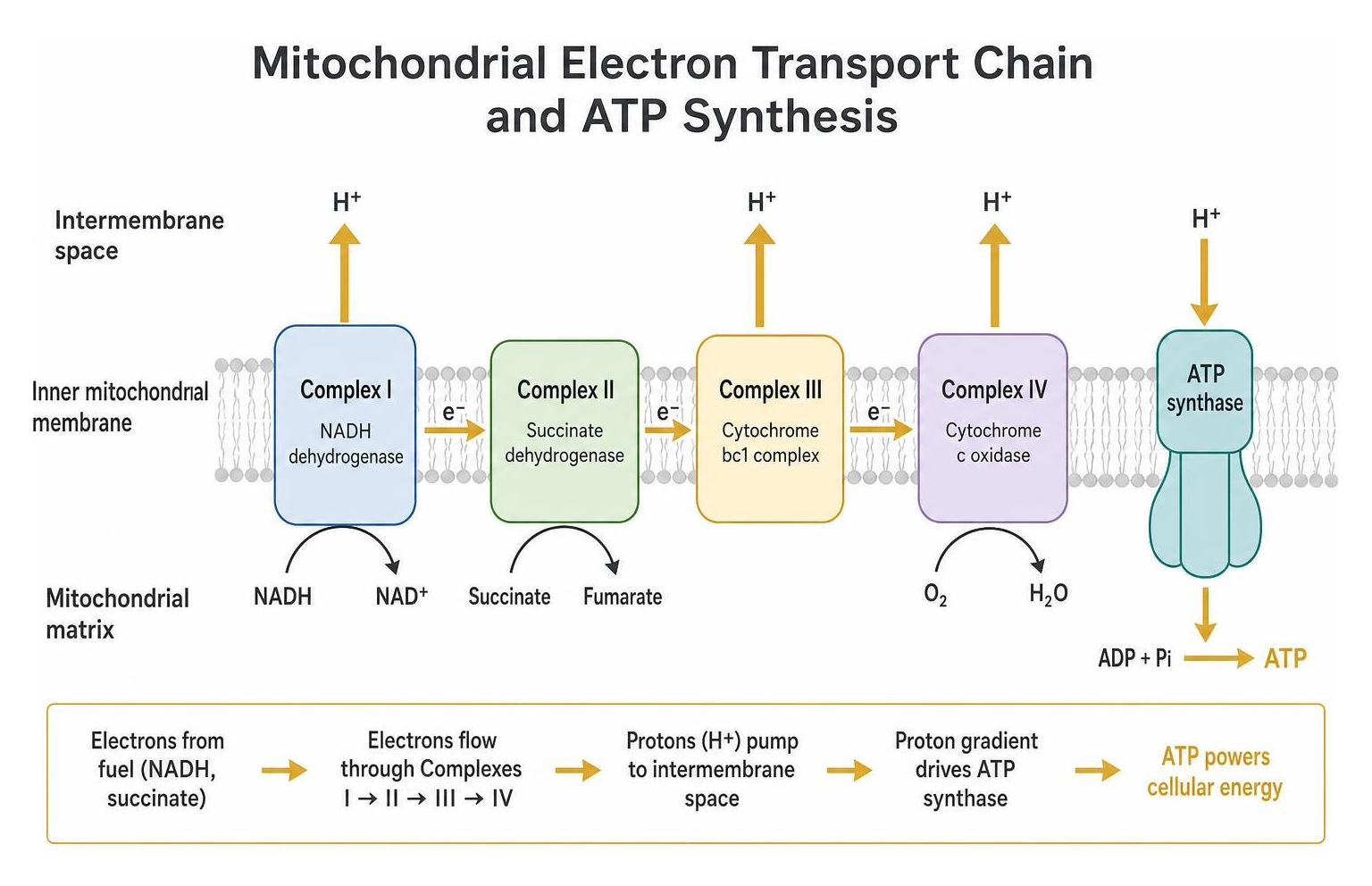
When oxygen enters your muscle cells during respiration, it travels into the mitochondrial matrix to accept electrons passed along the electron transport chain (ETC). As electrons cascade through Complexes I to IV, protons pump across the inner membrane, creating a bioenergetic gradient that drives ATP synthase. When this process runs smoothly, endurance feels nearly limitless. However, when mitochondrial efficiency falters, stamina drops and athletes experience accelerated aging athlete performance decline.
How Mitochondrial Function Declines With Age and Fatigue
As we age, our cellular power plants undergo structural and functional changes. A comprehensive research paper on mitochondrial oxidative stress highlights that cellular aging often involves a substantial increase in mitochondrial size due to the accumulation of enlarged, defective organelles.
According to that same research paper on mitochondrial oxidative stress, during normal aerobic metabolism, between 1% and 5% of the oxygen consumed by complexes I and III is converted into reactive oxygen species (ROS), such as superoxide anions (Lee et al., 2023). Under chronic physical overtraining, metabolic stress, or advancing age, electron leakage increases dramatically. This sustained oxidative stress can damage mitochondrial DNA (mtDNA)—which lacks protective histones—leading to inner membrane depolarization, reduced energetic yield, and early cellular senescence.
The Core Pillars of Mitochondrial Quality Control
To survive metabolic stress and energetic demands, our cells rely on mitochondrial quality control (MQC). A detailed review on mitochondrial quality control published in the Chinese Medical Journal describes MQC as an integrated network consisting of several dynamic mechanisms:
Mitochondrial Biogenesis: The synthesis of new, healthy mitochondrial units, primarily orchestrated by the master transcriptional coactivator PGC-1alpha.
Mitochondrial Dynamics (Fission and Fusion): Fusion joins functional mitochondria together to share structural proteins and genetic material, while fission separates irreversibly damaged sections.
Mitophagy: The selective degradation and recycling of damaged or depolarized mitochondria via specialized cellular pathways such as PINK1 and Parkin.
Mitochondrial Proteostasis and Vesicles: Systems that fold or clear misfolded mitochondrial proteins, utilizing mitochondrial-derived vesicles as an early defense mechanism when classic recycling pathways are burdened.
When these systems operate harmoniously, metabolic flexibility stays high, and cells clear waste before it impairs physical output.
Evidence-Based Lifestyle Strategies for Mitochondrial Health Optimization
Optimizing mitochondrial function does not require exotic or unproven tactics; it requires applying targeted physiological stressors followed by adequate rest. When your muscle cells experience an energetic deficit, the AMP-activated protein kinase (AMPK) and sirtuin (SIRT1) pathways activate. This biochemical switch upregulates PGC-1alpha, signaling the body to build more efficient cellular machinery.
Tailoring these stimuli to your unique physiology can be streamlined by following a structured biomarker training plan guide to ensure your training volume matches your recovery capacity.
High-Intensity Interval Training and Zone 2 Aerobic Base
A well-rounded endurance framework combines low-intensity base training with brief, intense efforts:
Zone 2 Aerobic Base (Low-to-Moderate Intensity): Sustained exercise at an intensity where you can comfortably speak maximizes fat oxidation. Zone 2 training stimulates capillary growth around muscle fibers and increases the density of oxidative enzymes within mitochondria without creating excessive systemic inflammation.
High-Intensity Interval Training (HIIT): Short bursts of near-maximal effort (such as 30 to 60 seconds of hard effort followed by active recovery) create acute energetic demands. This rapid ATP depletion triggers strong AMPK signaling, encouraging rapid mitochondrial biogenesis and improved lactate clearance.
Hormetic Stressors: Cold Exposure, Fasting, and Circadian Sleep Alignment
Hormesis refers to the biological principle where mild, transient stress triggers adaptive, protective responses in cells.
Cold Exposure: Cold thermogenesis—such as brief cold showers or ice baths—activates brown adipose tissue and upregulates uncoupling proteins (UCPs), which research suggests can enhance mitochondrial density and metabolic efficiency.
Time-Restricted Eating and Fasting: Giving your digestive system a scheduled rest (for example, a 14- to 16-hour overnight fast) lowers circulating insulin and activates autophagy and mitophagy, helping clear worn-out cellular parts.
Deep Sleep Architecture: Growth hormone release, cellular waste removal, and mitochondrial membrane repair occur predominantly during slow-wave deep sleep. Tracking specific athlete recovery biomarkers can help you verify whether your sleep quality is adequate to support your training volume.
Targeted Nutritional Compounds and Supplements to Fuel Cellular Powerhouses
Nutritional strategies provide the raw substrates and enzyme cofactors required to sustain high-rate oxidative phosphorylation. A scoping review on mitochondrial medicine published in the journal Medicine notes that combining active lifestyle interventions with targeted metabolic nutrients may support structural integrity and reduce excessive oxidative strain across active tissues. Aligning your diet with biomarker-based nutrition helps eliminate dietary guesswork and ensures your cells receive what they need.
Compound / Nutrient | Primary Bioenergetic Mechanism | Typical Studied Target Area |
|---|---|---|
Coenzyme Q10 (Ubiquinol) | Electron transport carrier between Complexes I/II and III; lipid antioxidant | Inner mitochondrial membrane protection |
NAD+ Precursors (NR / NMN) | Replenishes cellular NAD+ pool to activate SIRT1 and fuel the Krebs cycle | Mitochondrial biogenesis and gene expression |
Alpha-Lipoic Acid (ALA) | Essential cofactor for pyruvate dehydrogenase; recycles cellular glutathione | Glucose metabolism and redox balance |
Acetyl-L-Carnitine (ALCAR) | Transports long-chain fatty acids into the matrix for beta-oxidation | Fat utilization and mental stamina |
Magnesium (Malate/Glycinate) | Stabilizes the Mg-ATP complex required for every ATP-dependent reaction | High-energy phosphate transfer |
B-Complex Vitamins | Precursors for FAD (B2) and NAD (B3); essential for the Krebs cycle | Substrate breakdown and enzyme function |
Micronutrients and Co-Factors for Mitochondrial Health Optimization
The production of ATP relies on a coordinated cascade of nutritional cofactors (Pizzorno, 2014). B vitamins like thiamine (B1), riboflavin (B2), and niacin (B3) form the molecular foundation of flavin adenine dinucleotide (FAD) and nicotinamide adenine dinucleotide (NADH). Without sufficient bioavailable magnesium, ATP cannot stabilize into its biologically active Mg-ATP form. Integrating a dense array of colorful polyphenols, healthy omega-3 fatty acids, and essential minerals provides the biochemical building blocks that may support smooth electron transport.
Mitophagy Enhancers and Mitochondrial-Targeted Antioxidants
Systemic antioxidants, when taken in excessive doses around training sessions, can sometimes blunt the beneficial hormetic signals that stimulate training adaptation. As a result, research has shifted toward compounds that support natural cellular renewal or selectively target the mitochondrial matrix:
Targeted Antioxidants (such as MitoQ): Formulated to cross the mitochondrial double membrane, these molecules may help neutralize localized superoxide production directly at the inner membrane.
Natural Polyphenols (Resveratrol and Quercetin): These plant compounds act as mild stressors that activate SIRT1 and Nrf2 pathways, encouraging endogenous antioxidant defenses.
N-Acetylcysteine (NAC): Supplies rate-limiting cysteine to support intracellular glutathione production, protecting structural membrane lipids like cardiolipin.
Mitigating Oxidative Stress, Drug Interactions, and Hormonal Declines
Maintaining healthy cellular powerhouses requires minimizing unnecessary external damage while supporting internal regulatory signals.
Prescription Drugs and Environmental Toxins Impairing Respiration
Certain common pharmaceuticals and environmental factors can inadvertently place stress on cellular respiration:
Statins: By inhibiting the HMG-CoA reductase pathway to lower cholesterol synthesis, statins also reduce the body's natural synthesis of CoQ10, which research suggests may contribute to muscle fatigue in some individuals (Pizzorno, 2014).
Certain Bactericidal Antibiotics: Because mitochondria evolved from ancestral bacteria, specific classes of antibiotics can induce oxidative stress and impair mitochondrial respiration during extended use (Pizzorno, 2014).
Heavy Metals and Organic Pollutants: Lead, cadmium, mercury, and persistent environmental pollutants can bind to enzyme sulfhydryl groups in the ETC, reducing energetic efficiency.
Endocrine Support: Estrogen, Testosterone, and Thyroid Modulation
Hormones act as master switches for mitochondrial transcription and metabolic rate. Thyroid hormones (T3 and T4) directly govern basal oxygen consumption and stimulate mitochondrial transcription factor A (TFAM). Testosterone and estrogen also play vital protective roles; research on epigenetic regulators of aging emphasizes that declining sex steroid levels correlate with reduced ATP output and increased oxidative damage across tissues (Mani et al., 2024). Maintaining balanced hormone levels through lifestyle, nutrition, and clinical guidance is essential for sustaining long-term vitality.
Tracking Bioenergetic Performance: Functional Testing and Diagnostics
You cannot optimize what you do not measure. Rather than guessing which nutritional or lifestyle adjustments your body needs, objective lab testing helps clarify your underlying cellular health. Utilizing advanced lab testing for athletes enables you to pinpoint metabolic bottlenecks and fine-tune your routine with confidence.
Precision Lab Testing and Biomarkers to Evaluate
A comprehensive evaluation of mitochondrial and metabolic function often includes:
Lactate-to-Pyruvate Ratio: An elevated baseline ratio may suggest inefficient mitochondrial pyruvate oxidation and excessive reliance on anaerobic glycolysis.
Urinary Organic Acids: Measuring Krebs cycle intermediates (such as citrate, alpha-ketoglutarate, and succinate) can highlight specific micronutrient deficiencies or enzymatic blocks (Pizzorno, 2014).
Urinary 8-Hydroxy-2'-deoxyguanosine (8-OHdG): A well-studied biomarker of oxidative DNA and mtDNA damage (Pizzorno, 2014).
Fasting Insulin and Lipid Subfractions: Evaluates overall metabolic flexibility and systemic insulin sensitivity.
Pairing these markers with personalized biomarker analysis provides an objective foundation to build an individualized health plan.
Frequently Asked Questions About Mitochondrial Health
What are the earliest signs of mitochondrial dysfunction in athletes?
Early indicators often appear as unexplained physical fatigue, prolonged recovery times between hard workouts, sudden plateaus in aerobic endurance, morning brain fog, or an increased susceptibility to muscle soreness.
How long does it take to see structural improvements in mitochondrial density?
Cellular adaptations happen relatively quickly. Research shows that consistent Zone 2 aerobic training combined with structured interval sessions can trigger measurable improvements in mitochondrial enzyme activity and density within 4 to 8 weeks, though long-term structural remodeling continues over months of consistent training.
Can antioxidant supplementation interfere with exercise-induced mitochondrial adaptations?
Yes, timing matters. High doses of generic antioxidants (such as high-dose vitamin C and E) taken immediately before or after training may quench the mild, natural ROS signals needed to stimulate PGC-1alpha and mitochondrial biogenesis. It is generally preferable to rely on a polyphenol-rich diet and reserve targeted supplements for times away from acute training windows.
Conclusion
Sustained athletic endurance and long-term healthspan rest upon the health of your cellular power plants. By building an aerobic base, applying smart interval training, nourishing your body with targeted micronutrients, and prioritizing sleep, you can support your body's energy production for years to come.
At Longevity Athlete, we believe high performance should never come at the expense of your future vitality. We provide precision-performance wellness consulting for disciplined athletes, using comprehensive biomarker testing and data-driven methods to help you train with purpose. Whether you join our self-guided Signature Plan group program or work with us through our individualized Gold and Platinum Plans, we build clear, science-backed lifestyle plans tailored specifically to your physiology.
Ready to take control of your cellular energy? Learn more about our individualized performance consulting and discover what your biomarkers reveal about your potential.
References
Pizzorno J. "Mitochondria-Fundamental to Life and Health.." Integrative medicine (Encinitas, Calif.), 2014. PMCID PMC4684129. Lee YH, Kuk MU, So MK, Song ES, Lee H, Ahn SK, Kwon HW, Park JT, Park SC. "Targeting Mitochondrial Oxidative Stress as a Strategy to Treat Aging and Age-Related Diseases.." Antioxidants (Basel, Switzerland), 2023. PMCID PMC10136354. Mani S, Srivastava V, Shandilya C, Kaushik A, Singh KK. "Mitochondria: the epigenetic regulators of ovarian aging and longevity.." Frontiers in endocrinology, 2024. PMCID PMC11598335. Lira Chavez FM, Gartzke LP, van Beuningen FE, Wink SE, Henning RH, Krenning G, Bouma HR. "Restoring the infected powerhouse: Mitochondrial quality control in sepsis.." Redox biology, 2023. PMCID PMC10711241. Zhengzhao Liu, Wenbao Hu, Lin Sun, Huafeng Liu. "Mitochondrial quality control in health and disease: Updates 2026." Chinese Medical Journal, 2026. DOI 10.1097/cm9.0000000000004169.