Everything You Need to Know About Biomarker Testing for Inflammation
Understanding Systemic Inflammation: Acute vs. Chronic Responses
To test for inflammation, clinicians and at-home users typically measure key blood biomarkers such as high-sensitivity C-reactive protein (hs-CRP), erythrocyte sedimentation rate (ESR), and ferritin. These markers are assessed through a standard venous blood draw at a laboratory or, increasingly, through validated at-home fingerstick collection kits that are processed by CLIA-certified labs. Testing is most useful when you have persistent fatigue, joint stiffness, unexplained metabolic changes, or a known inflammatory condition that requires monitoring.
Inflammation is your immune system’s built-in defense mechanism against threats like pathogens, physical trauma, and cellular damage. Think of it like a home security alarm: when an intruder breaks a window, the siren blares to mobilize emergency responders. However, the nature of that alarm depends heavily on whether the threat is short-lived or lingering.
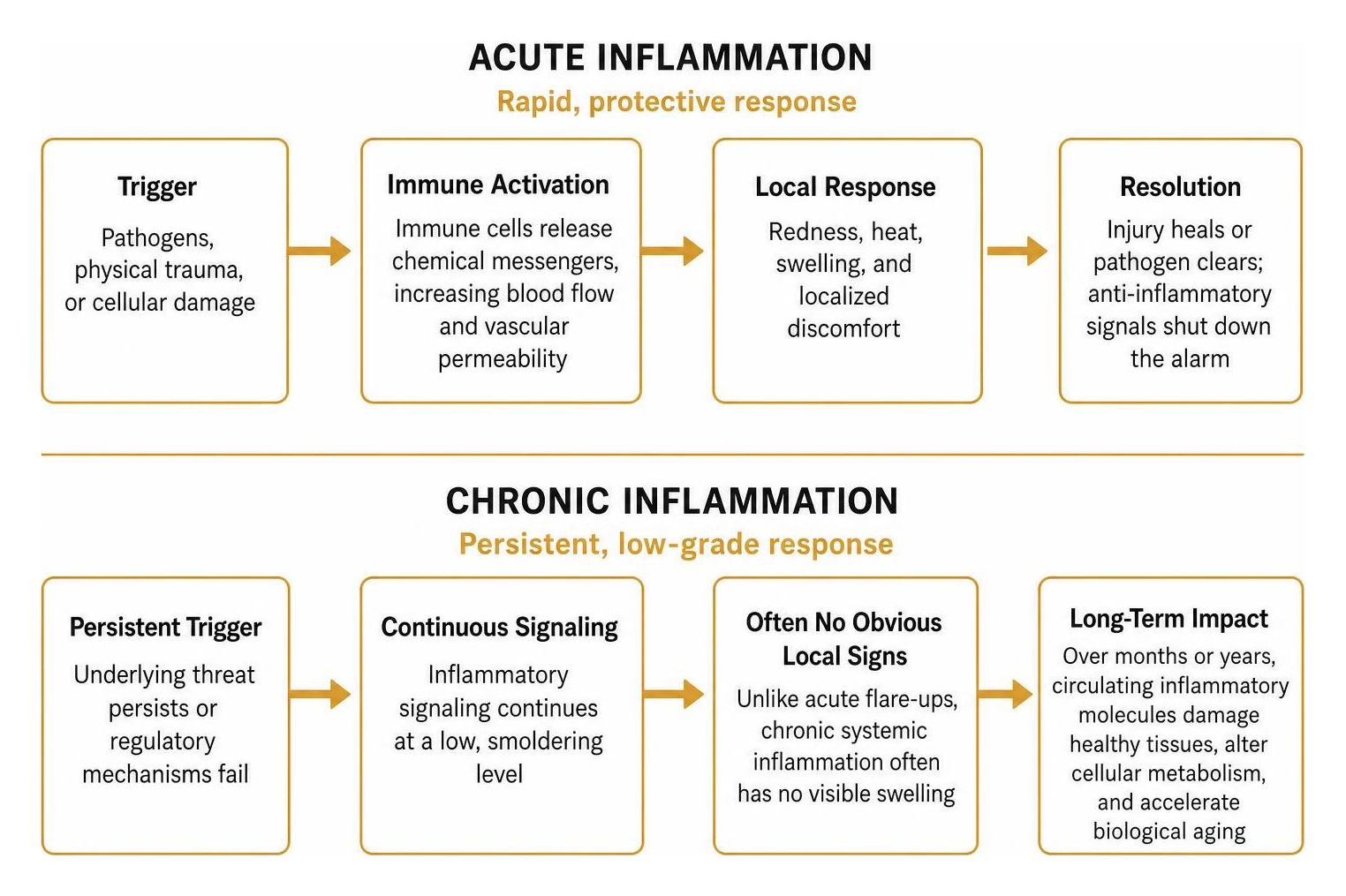
Acute inflammation: This is a rapid, protective response designed to neutralize immediate harm and initiate tissue repair. If you sprain an ankle or catch a viral infection, local immune cells release chemical messengers, increasing blood flow and vascular permeability. This causes the classic signs of redness, heat, swelling, and localized discomfort. Once the injury heals or the pathogen clears, anti-inflammatory signals step in to shut down the alarm.
Chronic inflammation: When the underlying trigger persists—or when regulatory mechanisms fail—inflammatory signaling continues at a low, smoldering level. Unlike acute flare-ups, chronic systemic inflammation often produces no obvious local swelling. Over months or years, these circulating inflammatory molecules damage healthy tissues, alter cellular metabolism, and accelerate biological aging.
Research highlighted in the Harvard Health guide on inflammation testing notes that while acute inflammation serves a vital purpose, prolonged systemic activation contributes significantly to long-term health challenges. Developing a solid baseline by understanding chronic systemic inflammation is essential for anyone seeking to sustain peak physical performance and metabolic health over time.
Signs and Symptoms That Warrant Biomarker Evaluation
Because low-grade inflammation often operates below the threshold of sharp physical pain, it is easy to dismiss its early warning signs. You might simply feel that your physical recovery is slowing down or that everyday tasks require more effort. Common symptoms that suggest it may be time to evaluate your inflammatory status include:
Persistent fatigue: Exhaustion that does not improve after a full night of restorative sleep.
Joint stiffness and muscle soreness: Lingering discomfort that extends well beyond typical post-exercise recovery windows.
Cognitive fog: Difficulty concentrating, subtle memory lapses, or sluggish mental processing.
Metabolic dysfunction: Unexplained weight fluctuations, insulin resistance, or stubborn midsection adiposity.
Recurring minor infections: Frequent colds, slow-healing superficial wounds, or persistent skin flare-ups such as eczema.
Digestive disturbances: Chronic bloating, irregular bowel habits, or recurring gastrointestinal distress.
How to Test for Inflammation: Core Biomarkers and Clinical Panels
Investigating inflammatory status requires looking at specific circulating blood markers. Because no single biomarker tells the entire story, clinicians often assess a combination of acute-phase reactants and complete blood counts to evaluate the broader picture.
According to the Cleveland Clinic reference on ESR testing, physical symptoms paired with targeted lab work offer the clearest path to identifying underlying systemic strain. A structured approach, detailed in our comprehensive blood panel guide, helps clarify which tests are most relevant for your situation.
How to Test for Inflammation Using Standard Blood Panels
Standard clinical assessments rely on several well-established blood markers, each reflecting distinct aspects of the body's immune activity:
C-Reactive Protein (CRP) & High-Sensitivity CRP (hs-CRP): CRP is an acute-phase protein synthesized by the liver in response to interleukin-6 (IL-6). Standard CRP detects major surges from acute infections or injury, where levels can rise rapidly within 6 to 8 hours and peak near 48 hours. In contrast, hs-CRP measures minute concentrations (often below 3.0 mg/L) to gauge low-grade vascular and metabolic strain.
Erythrocyte Sedimentation Rate (ESR): Often referred to as "sed rate," ESR measures the distance in millimeters that red blood cells settle in a vertical test tube over one hour. Elevated levels of fibrinogen and other proteins cause red cells to clump together and settle faster. While ESR responds more slowly than CRP, it provides helpful insight into ongoing, long-term inflammatory activity.
Ferritin: While best known as an intracellular iron storage protein, ferritin also functions as an acute-phase reactant. When systemic inflammation is present, ferritin levels can rise significantly, sometimes masking an underlying iron deficiency or mimicking iron overload.
Fibrinogen and Plasma Viscosity: Fibrinogen is a key clotting factor that increases alongside inflammatory cascades. Elevated fibrinogen raises overall plasma viscosity, indicating active immune signaling.
Complete Blood Count (CBC) Metrics: Routine hematology provides valuable clues. Elevated white blood cell counts, high platelet counts (thrombocytosis), and a high neutrophil-to-lymphocyte ratio (NLR) often reflect heightened physiological strain.
Biomarker | Primary Physiological Role | Typical Clinical Reference | Kinetic Profile | Primary Use Case |
|---|---|---|---|---|
hs-CRP | Measures low-grade systemic vascular and metabolic signaling | < 1.0 mg/L (low risk), 1.0–3.0 mg/L (average) | Rises in 6–8 hrs; peaks at ~48 hrs | Cardiovascular risk assessment & metabolic tracking |
Standard CRP | Detects pronounced systemic response to infection/injury | < 3.0 to 5.0 mg/L | Rapid clearance (half-life ~19 hrs) | Acute infection, tissue trauma, autoimmune flares |
ESR | Assesses red blood cell aggregation via plasma protein changes | Males: < 15–20 mm/hr; Females: < 20–30 mm/hr | Slow rise; takes days to weeks to normalize | Chronic inflammatory diseases, polymyalgia rheumatica |
Ferritin | Reflects iron storage and cellular immune activation | 20 to 200 mcg/L (varies by laboratory) | Moderate rise; prolonged plateau | Distinguishing chronic systemic strain vs. iron status |
Fibrinogen | Clotting factor and acute-phase reactant | 200 to 400 mg/dL | Moderate response time | Cardiovascular evaluation and coagulation profiling |
Specialized and Emerging Biomarkers: Procalcitonin and Cytokines
Beyond routine clinical markers, advanced laboratory assessments and research tools provide deeper insight into specific pathways:
Procalcitonin (PCT): Produced by thyroid C-cells and neuroendocrine tissue throughout the body during bacterial challenges, PCT is a specialized peptide biomarker. In clinical settings, PCT levels help clinicians distinguish bacterial infections from viral illnesses or non-infectious inflammatory states, supporting responsible antibiotic stewardship (Menzel et al., 2021).
Pro-inflammatory Cytokines (IL-6, TNF-alpha): Cytokines act as the primary signaling messengers that orchestrate immune defenses. Measuring direct circulating levels of interleukin-6 or tumor necrosis factor-alpha provides detailed data on upstream immune signaling, though these assays require strict sample handling.
Oxidative Stress Biomarkers (F2-Isoprostanes, MDA): Oxidative damage and inflammatory pathways closely mirror one another. Markers like F2-isoprostanes reflect lipid peroxidation, helping researchers and clinicians assess cellular oxidative balance (Menzel et al., 2021).
For additional perspectives on how primary care clinicians interpret these diverse indicators, review the clinical interpretations of inflammatory markers.
Interpreting Results, Assessment Pitfalls, and Clinical Context

A single elevated lab result does not automatically mean you have a chronic health condition. Because inflammatory markers are non-specific, their values can fluctuate based on routine daily variables.
Assay and Laboratory Variability: Different commercial laboratories may utilize varying testing platforms (such as nephelometry vs. chemiluminescence), leading to slight differences in baseline reference intervals.
Kinetic Mismatch: CRP responds swiftly to an acute stressor and resolves quickly once the trigger subsides. Conversely, ESR takes much longer to rise and can remain elevated for weeks after an issue has resolved because plasma proteins take time to clear.
Age, Sex, and Body Composition Adjustments: Normal ESR ranges naturally rise with age. A traditional clinical rule of thumb estimates the upper normal limit of ESR for men as age divided by 2, and for women as age plus 10 divided by 2. High body fat percentages can also mildly elevate baseline hs-CRP due to adipocyte signaling.
As noted in research on ESR and CRP testing, interpreting lab panels without considering the patient's immediate physical context often leads to unnecessary worry. You can dive deeper into avoiding these interpretive traps in our guide to tracking key inflammatory markers.
When Routine Testing Is Clinically Justified
While universal screening for healthy, asymptomatic individuals is rarely standard practice, targeted biomarker testing is valuable in several defined scenarios:
Autoimmune Disease Management: Monitoring condition activity and approach response in diseases such as rheumatoid arthritis, lupus, or inflammatory bowel disease.
Cardiovascular Risk Stratification: Utilizing hs-CRP alongside advanced lipid panels to assess cardiovascular risk profiles in individuals with borderline metabolic metrics.
Chronic Pain and Musculoskeletal Evaluation: Differentiating between localized mechanical strain and wider systemic inflammatory conditions, as highlighted in the analysis on ESR and CRP utility.
Monitoring Recovery from Major Illness or Trauma: Tracking the resolution of severe infections or post-surgical healing.
At-Home Testing Options vs. Laboratory assessments
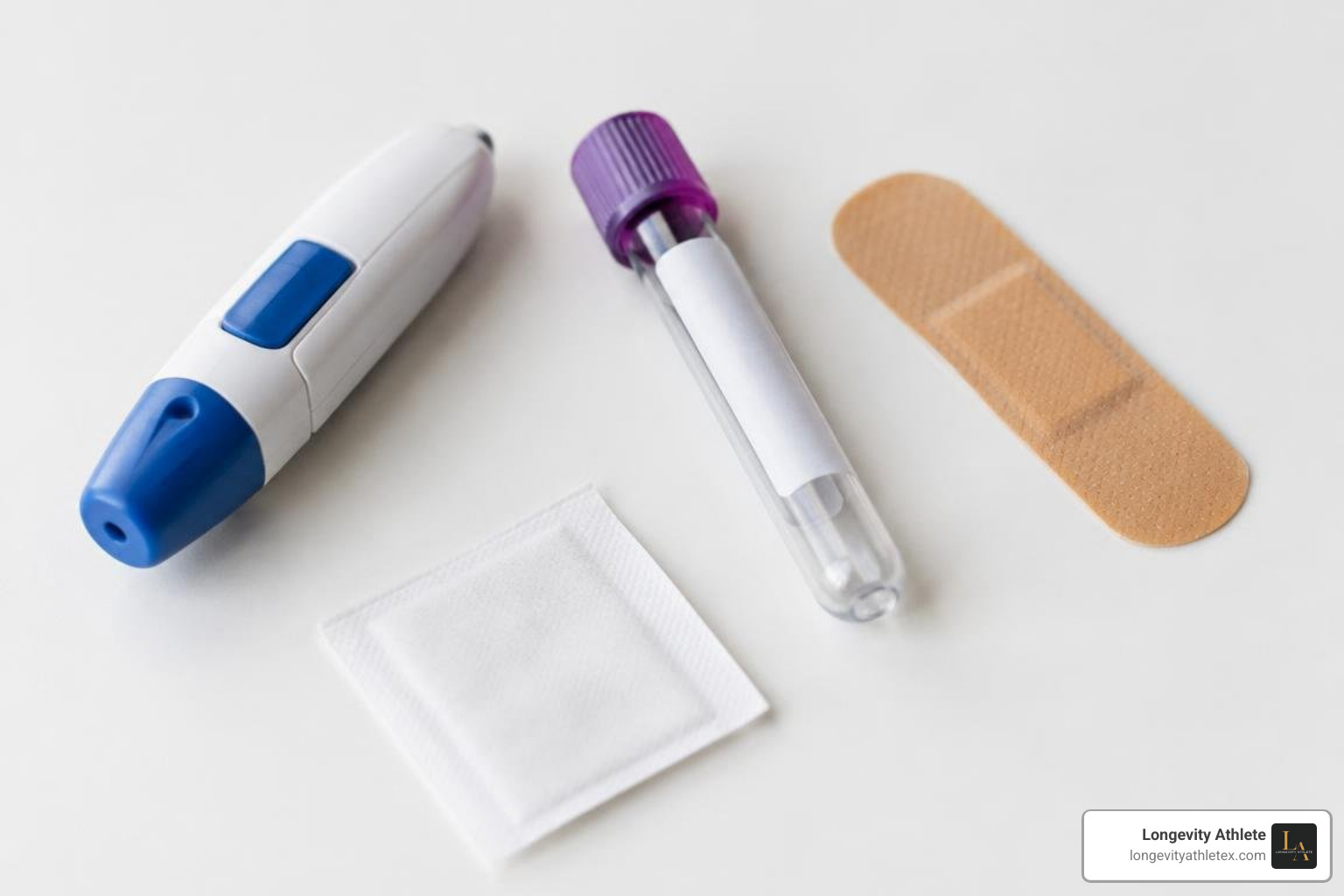
The rise of direct-to-consumer health technology has made at-home testing accessible. However, understanding the differences between self-collected samples and traditional venipuncture ensures you select the right method for your goals.
At-Home Fingerstick Collection: These kits utilize dried blood spots or micro-collection tubes filled via a quick finger prick. They offer convenience, privacy, and accessible longitudinal monitoring. However, squeezing the fingertip too aggressively can cause hemolysis or dilute the sample with interstitial fluid, potentially altering precision.
Clinical Venipuncture: A standard blood draw performed by a trained phlebotomist collects whole venous blood. This method remains the clinical gold standard for precision, multi-marker panels, and formal assessment workups.
If you are exploring fingerstick methods, reviewing the reliable at-home CRP tests can help you select high-quality options.
How to Test for Inflammation at Home Safely and Accurately
To ensure you collect a high-quality sample when using at-home kits, follow these best practices:
Hydrate thoroughly: Drink plenty of water 30 to 60 minutes before testing to support peripheral blood flow.
Warm your hands: Wash your hands with warm water or perform light arm swings to encourage circulation before the fingerstick.
Wipe away the first drop: Always wipe away the initial drop of blood with sterile gauze, as it contains excess interstitial fluid.
Use CLIA-certified labs: Ensure the testing company partners with accredited laboratories that maintain strict quality standards.
Time your testing consistently: Collect samples at the same time of day—ideally in the morning in a fasted state—to maintain consistency.
For step-by-step collection procedures, explore our guide on at-home inflammation testing, or see how high-performing individuals organize their panels in our overview of athlete-specific biomarker tracking.
Evidence-Based Strategies to Reduce Elevated Inflammatory Markers
If your biomarker testing reveals mild, non-acute elevations, targeted lifestyle habits can help encourage a healthy inflammatory balance:
Adopt an Anti-Inflammatory Dietary Pattern: Focus on whole foods rich in colorful polyphenols, leafy greens, wild-caught fatty fish (high in EPA and DHA), extra virgin olive oil, and fiber. Minimize ultra-processed foods, refined sugars, and industrial trans fats.
Prioritize Restorative Sleep: Consistently obtaining 7 to 9 hours of quality sleep supports hormonal balance and gives the immune system dedicated time to down-regulate inflammatory signaling.
Incorporate Balanced Cardiovascular and Strength Training: Regular low-intensity steady-state movement (Zone 2 cardio) combined with progressive resistance training supports metabolic health and steady cytokine balance. Be mindful to avoid chronic overtraining, which can paradoxically elevate systemic markers.
Practice Active Stress Management: Chronic psychological stress increases cortisol and catecholamine signaling, which can alter immune responsiveness. Daily breathwork, mindfulness, or time outdoors may support a calmer baseline.
Frequently Asked Questions About Inflammation Testing
Can a single blood test determine the exact location of inflammation in the body?
No. Circulating markers like CRP, ESR, and ferritin reflect systemic immune activity throughout the entire bloodstream. They show that inflammatory signaling is elevated, but they cannot pinpoint whether the source is a joint, the gut, blood vessels, or a dental infection. Localizing the issue requires pairing lab work with a physical examination, clinical history, and targeted imaging (such as an MRI, ultrasound, or X-ray) when necessary.
What is the main difference between a standard CRP test and an hs-CRP test?
The difference lies in the analytical sensitivity of the assay. A standard CRP test is designed to measure higher concentrations (typically from 5.0 to over 100 mg/L) to evaluate acute infections, major trauma, or severe autoimmune flares. A high-sensitivity CRP (hs-CRP) test accurately measures lower concentrations (from 0.1 to 5.0 mg/L), making it well-suited for assessing subtle cardiovascular risk, metabolic health, and low-grade baseline strain.
How often should inflammatory markers be retested to track progress?
Retesting intervals depend on your starting values and the specific biomarkers measured. For acute conditions or recovery from significant tissue injury, markers like CRP can be re-evaluated every 1 to 2 weeks to confirm normalization. When tracking lifestyle adjustments for low-grade elevations, retesting hs-CRP or ESR every 8 to 12 weeks provides adequate time for cellular adaptations to register in your bloodwork.
Conclusion
Biomarker testing offers a clear, objective window into your systemic immune activity. Rather than guessing how recovery, nutrition, or daily stress are affecting your physiology, targeted blood panels provide actionable data to help you refine your habits. When tracking these indicators, individual values are simply data points—the true value comes from observing longitudinal trends alongside how you feel, perform, and adapt.
At Longevity Athlete, we provide precision-performance wellness consulting for disciplined athletes and health-conscious individuals. Through comprehensive biomarker analysis, we help you understand your baseline data and implement sustainable habits. Whether you participate in our self-guided Signature Plan group program or choose our individualized Gold or Platinum Plans to build a personalized lifestyle plan, our team supports your long-term wellness goals. Discover our comprehensive approach to precision inflammation testing to take the guesswork out of your health journey.
Scientific References
Menzel A, Samouda H, Dohet F, Loap S, Ellulu MS, Bohn T. "Common and Novel Markers for Measuring Inflammation and Oxidative Stress Ex Vivo in Research and Clinical Practice-Which to Use Regarding Disease Outcomes?." Antioxidants (Basel, Switzerland), 2021. PMCID PMC8001241.