Taming the Flame: An Athlete's Guide to Inflammation and Recovery
How Inflammation Affects Athletic Performance and Recovery
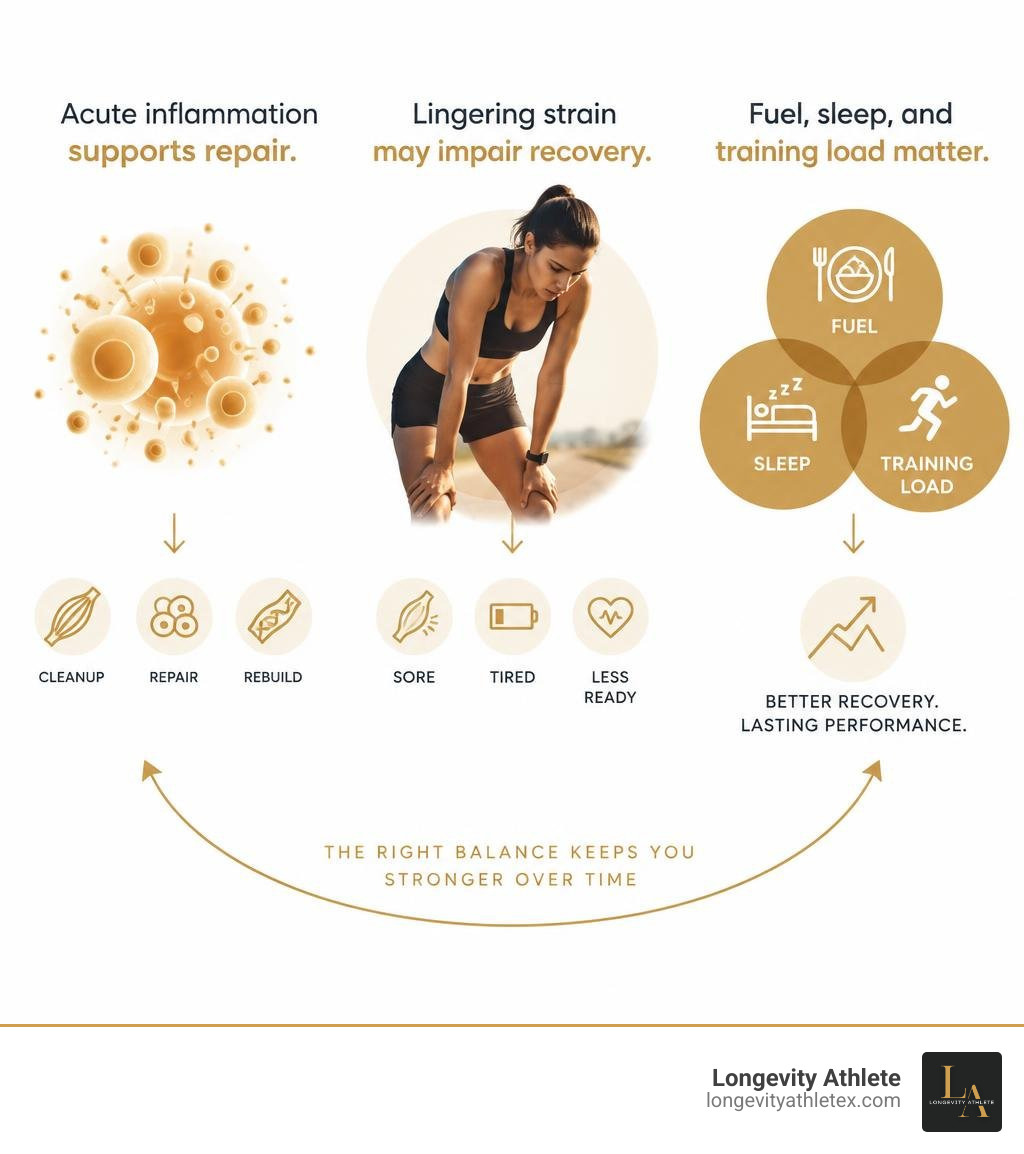
Inflammation is part of how athletes adapt to training. After a hard session, a short-lived immune response helps the body repair and rebuild. The concern is strain that lingers: it may leave you sore, tired, and less ready for the next session. To support recovery, eat enough to fuel your training, protect your sleep, and adjust your training load when fatigue persists. Biomarker trends can add context, but one blood test cannot tell the whole story.
The goal is not to eliminate inflammation. It is to give your body enough time and resources to recover, so hard training remains productive over the long term.
I’m Garric Vosloo, a functional medicine practitioner who has worked with elite athletes, including Olympians and national teams, since 2000. My experience with sports injuries and recovery informs my work on how inflammation and performance in athletes interact during demanding training.
Understanding Inflammation and Performance in Athletes: Acute Adaptation vs. Chronic Breakdown
At its core, athletic development relies on a controlled cycle of stress and recovery. When you sprint, lift, or pedal through high volumes of training, muscle fibers experience mechanical tension and metabolic stress. This triggers an immediate, transient cascade that signals the immune system to initiate cellular cleanup, stimulate satellite cell proliferation, and remodel connective tissue.
Without this initial inflammatory spark, your muscles would struggle to grow stronger or build mitochondrial density. However, when the volume or intensity of exercise outpaces your physiological capacity to repair, this healthy response transforms into systemic strain. Chronic, low-grade inflammation can quietly erode athletic potential, leading to persistent soreness, impaired glycogen replenishment, elevated resting heart rates, and eventual burnout.
The Difference Between Adaptive Muscle Damage and Destructive Systemic Strain
Every demanding workout creates microscopic tears within the sarcolemma and activates resident macrophages. These immune cells release signaling proteins known as cytokines to recruit neutrophils to clear cellular debris. In an acute, healthy response, this phase resolves quickly as pro-inflammatory cytokines yield to anti-inflammatory signals, guiding the muscle back to homeostasis within 24 to 72 hours.
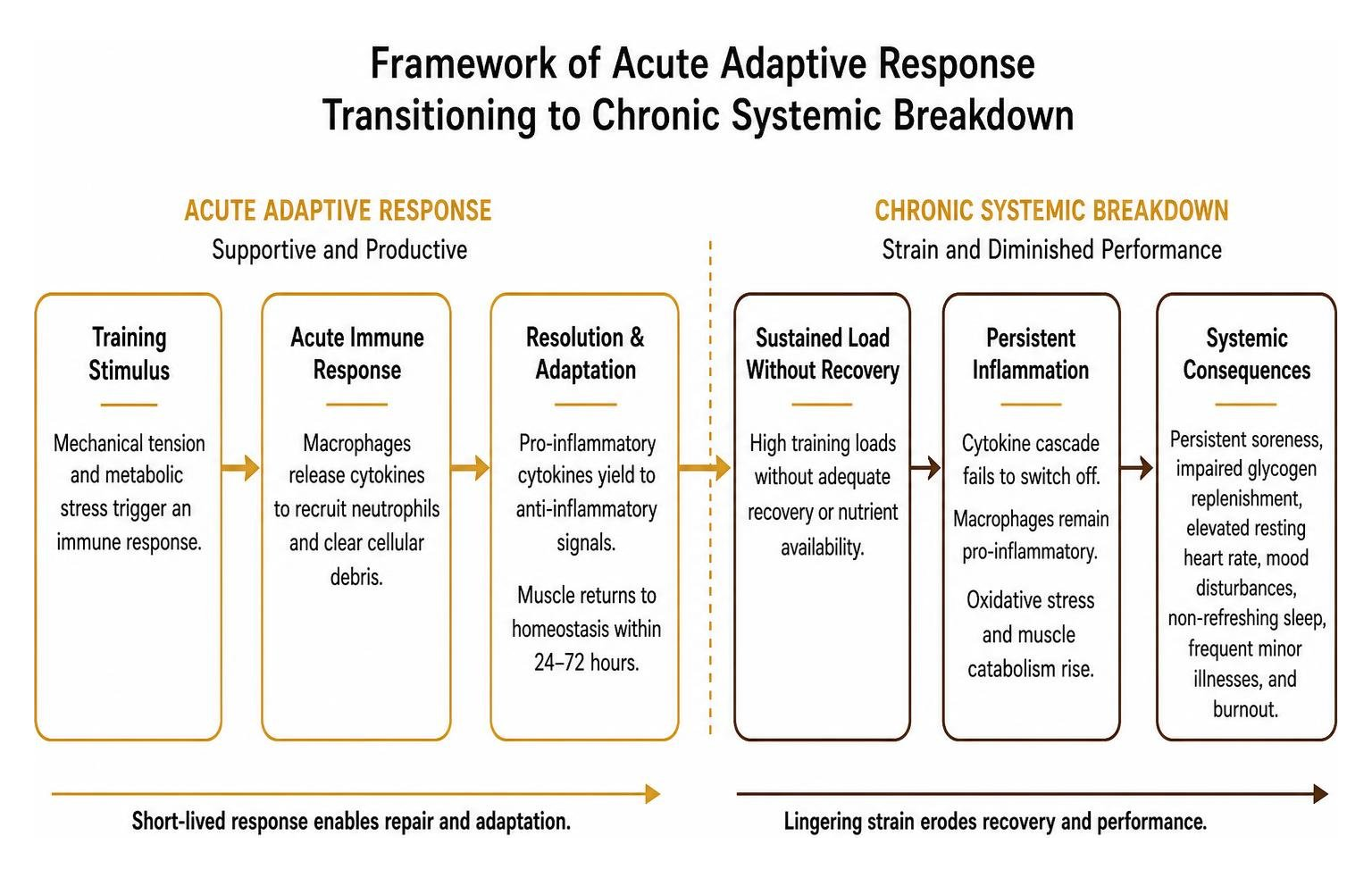
When high training loads are sustained without adequate recovery or nutrient availability, the cytokine cascade fails to switch off. Macrophages remain in a pro-inflammatory state, elevating oxidative stress and triggering muscle catabolism. Over time, this unmanaged cascade may manifest as unexplained performance drop-offs, mood disturbances, non-refreshing sleep, and frequent minor illnesses. Identifying whether your body is repairing normally or stalling in a state of prolonged stress is essential, which is why evaluating systemic strain through a chronic inflammation test guide offers objective clarity for structured training phases.
How Training Load Influences Inflammation and Performance in Athletes
The specific nature of your training stimulus dictates the magnitude of the physiological response:
Eccentric Overload: Exercises with heavy eccentric components (such as downhill running or heavy eccentric resistance lifts) induce substantial structural disruption, causing pronounced spikes in mechanical damage markers.
Endurance Volume: High-volume aerobic efforts tax cardiovascular reserves and fuel stores, prompting significant immune cell redistribution and transient systemic cytokine surges.
High-Intensity Intervals (HIIT): Repeated anaerobic bursts generate rapid metabolic byproducts and reactive oxygen species, challenging cellular antioxidant buffers.
When training demands are misaligned with recovery capacity, immune suppression can occur. As highlighted in a systematic review on omega-3 fatty acid supplementation and exercise recovery published in Nutrients, intensive exercise creates significant perturbations in systemic inflammatory markers and muscle integrity. Balancing these physical demands requires proactive training load management to ensure training stimuli produce positive adaptations rather than structural setbacks.
Essential Biomarkers for Monitoring Exercise-Induced Inflammation
Relying solely on subjective feelings of soreness can be misleading. An athlete may feel relatively fresh while their internal biochemistry indicates unresolved systemic strain. Longitudinal tracking through comprehensive inflammatory marker blood testing provides an objective view of tissue integrity and recovery readiness.
Key Biomarkers Linking Systemic Inflammation, Performance, and Athletes
A complete biomarker profile helps separate acute exercise-induced spikes from persistent systemic load:
High-Sensitivity C-Reactive Protein (hs-CRP): Produced by the liver in response to inflammatory cytokines, hs-CRP serves as a general barometer of systemic inflammation. While acute exercise may transiently elevate levels for a few days, chronically high readings suggest incomplete recovery or underlying systemic stress.
Creatine Kinase (CK): An enzyme found inside muscle cells. Elevated CK in the bloodstream reflects membrane permeability and structural damage following strenuous sessions.
Lactate Dehydrogenase (LDH): A complementary intracellular enzyme that leaks into circulation during cellular breakdown, providing additional insight into tissue stress.
Tracking these clinical inflammation blood markers alongside vital athlete recovery biomarkers allows for precise adjustments in training volume and intensity before minor fatigue turns into functional overreaching.
Inflammatory Cytokines, Oxidative Stress, and Genetic Polymorphisms
Beyond downstream markers like hs-CRP, direct cytokine signaling reveals the real-time balance of your immune response:
Interleukin-6 (IL-6): Often released directly by contracting muscle fibers (acting as a "myokine"), IL-6 regulates energy availability during exertion but can promote broader inflammatory cascades when sustained at elevated levels post-exercise.
Tumor Necrosis Factor-Alpha (TNF-α): A primary pro-inflammatory cytokine involved in systemic signaling that, when elevated chronically, can impair muscle protein synthesis.
Malondialdehyde (MDA): A byproduct of lipid peroxidation that reflects oxidative stress and free radical damage to cell membranes.
Genetic variations also influence how an individual responds to training stress. Single nucleotide polymorphisms (SNPs) in the IL-6 or TNF-alpha genes can cause some athletes to produce higher baseline cytokine concentrations or experience prolonged inflammatory spikes following identical training loads. Recognizing these tendencies is valuable when identifying overtraining blood markers and structuring personalized training cycles.
The Gut-Muscle Axis: How the Microbiome Drives Systemic Inflammation
The gastrointestinal tract plays a central role in athletic resilience. Housing a substantial portion of the body's immune cells, the gut microbiome communicates bidirectionally with skeletal muscle via biochemical signaling, nutrient absorption, and immune modulation.
Intestinal Permeability and Exercise Stress
During prolonged or high-intensity exercise, blood flow is shunted away from the digestive tract toward working skeletal muscles and the skin for thermoregulation—a process known as splanchnic hypoperfusion. Combined with elevated core body temperature and mechanical jostling, this reduced oxygenation can compromise the tight junctions of the intestinal barrier.
When gut integrity is compromised, bacterial components such as lipopolysaccharides (LPS) can leak into systemic circulation. This process, known as endotoxemia, triggers a widespread immune response, prompting immune cells to release TNF-α and IL-6 into the bloodstream. Many athletes dealing with mysterious performance slumps or lingering joint aches are actually experiencing the systemic effects of exercise-induced gut permeability. Evaluating these trends with advanced sports bloodwork helps identify whether gastrointestinal distress is contributing to systemic recovery delays.
Targeted Probiotics and Microbial Modulation
Modulating the gut microbiome with specific, clinically researched probiotic strains can help reinforce the intestinal barrier and regulate the systemic cytokine response. In a randomized, double-blind, placebo-controlled clinical trial on Lactobacillus plantarum PS128 in triathletes published in Nutrients, supplementation with L. plantarum PS128 was shown to significantly alleviate post-triathlon oxidative stress indices, including creatine kinase and myeloperoxidase levels (p < 0.05).
Furthermore, the researchers reported that PS128 supplementation led to a decrease in pro-inflammatory cytokines (TNF-α, IL-6, and IL-8) alongside an increase in the anti-inflammatory cytokine IL-10 following intensive exertion (p < 0.05). The probiotic group also demonstrated an increase in plasma branched-chain amino acids, which correlated with enhanced endurance performance and anaerobic power output. Targeted microbial support can thus serve as a valuable component of an athlete's foundational recovery plan.
Evidence-Based Nutritional Strategies and Supplement Timing
Nutrition provides the essential building blocks to resolve acute tissue stress while supplying the energy needed for subsequent training adaptations.
Whole Foods, Fatty Acids, and Polyphenols
A supportive dietary plan prioritizes whole, micronutrient-dense foods while managing dietary fats that fuel inflammatory pathways:
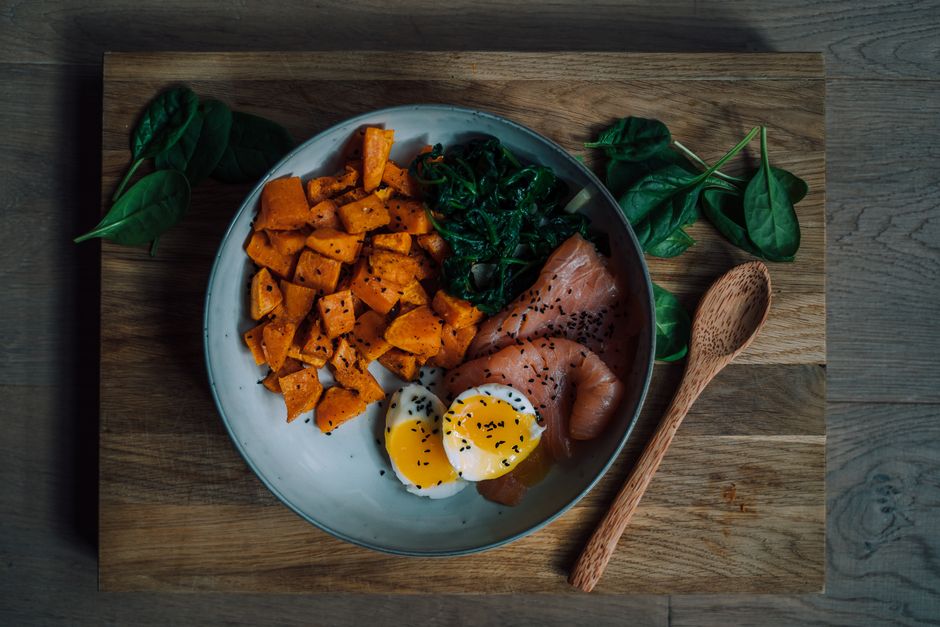
Optimizing the Omega-3 to Omega-6 Ratio: Modern diets often contain an excess of pro-inflammatory omega-6 fatty acids from refined seed oils. Incorporating cold-water fatty fish (such as wild salmon, sardines, and mackerel) or targeted EPA/DHA supplementation helps shift cellular membranes toward specialized pro-resolving mediators (SPMs) that assist in resolving acute inflammation.
Tart Cherry Polyphenols: Rich in anthocyanins, tart cherry juice helps attenuate post-exercise oxidative damage and subjective muscle soreness.
Curcuminoids: Curcumin, the active compound in turmeric, works by modulating the NF-kB signaling pathway, helping to temper post-exercise muscle soreness when consumed in bioavailable formulations.
Green Tea Catechins: Epigallocatechin gallate (EGCG) provides potent antioxidant support that helps buffer excess reactive oxygen species generated during intense interval sessions.
Adaptogens and Supplement Administration Timing
When you consume recovery-focused nutrients can be just as impactful as the ingredients themselves. For example, a clinical study evaluating cordyceps supplementation timing on athlete aerobic adaptations registered on ClinicalTrials.gov investigated how dosing Cordyceps militaris before versus after training influences inflammatory biomarkers (such as IL-6) and aerobic parameters.
Strategically timing targeted supplements around training sessions ensures that natural adaptation signals are respected while providing the body with biochemical support during key physiological windows.
Physical and Lifestyle Modalities: Cryotherapy, Photobiomodulation, and Sleep
Beyond nutrition, external recovery modalities and lifestyle habits help restore autonomic balance, modulate blood flow, and downregulate systemic inflammatory tone.
Comparing Cryotherapy Modalities Across Recovery Windows
Cold-based interventions have long been favored by athletes to alleviate muscle soreness, but their mechanisms and optimal timing vary significantly depending on the modality used.
Modality | Primary Mechanism | Target Biomarker Impact | Optimal Application Window |
|---|---|---|---|
Cold-Water Immersion (CWI) | Hydrostatic pressure & rapid vasoconstriction | Immediate IL-6 reduction; lowers acute DOMS | Within 0–1 hour post-exercise (10–15 min at ≤14°C) |
Whole-Body Cryotherapy (WBC) | Extreme cold air exposure triggering systemic neural response | Significant CK reductions at 48–72h; supports jump power | 24–72 hours post-competition or during high-density blocks |
Contrast Water Therapy (CWT) | Alternating vasodilation & vasoconstriction (vascular pump) | Sustained IL-6 reduction at 72h; promotes metabolic clearance | Next-day active recovery sessions |
Local Ice Application | Localized tissue cooling & metabolic slowing | Targeted DOMS reduction in specific muscle groups at 48h | Post-acute localized impact or focal soft-tissue strain |
Research syntheses, such as a systematic review on cold-water immersion approaches and recovery published in the International Journal of Innovative Technologies in Social Science, demonstrate that cold-water immersion at temperatures ≤14°C consistently reduces delayed-onset muscle soreness and enhances subjective recovery.
Furthermore, an extensive network meta-analysis on cryotherapy modalities and inflammatory biomarkers in Frontiers in Sports and Active Living revealed that while cold-water immersion is particularly effective for immediate IL-6 reduction, whole-body cryotherapy produces substantial reductions in circulating creatine kinase at 48 and 72 hours post-exercise. Selecting the right modality depends heavily on whether your immediate priority is rapid pain relief or long-term structural adaptation.
Photobiomodulation and Sleep Architecture
Photobiomodulation (PBMT), also known as low-level laser or light therapy, utilizes specific red and near-infrared wavelengths to stimulate mitochondrial cytochrome c oxidase. This increases ATP synthesis and helps modulate oxidative stress within working tissues. A triple-blind randomized controlled trial on pre-exercise photobiomodulation in soccer players published in Oxidative Medicine and Cellular Longevity demonstrated that pre-exercise PBMT significantly lowered post-exercise IL-6, CK, and LDH levels while increasing antioxidant enzyme activities (superoxide dismutase and catalase) and improving time to exhaustion.
However, no physical modality can replace the restorative power of natural sleep architecture. During slow-wave (deep) sleep, the body releases growth hormone, downregulates cortisol, and clears cellular waste products. Consistently achieving 8 to 10 hours of high-quality sleep per night provides the baseline hormonal and neurological environment needed to keep systemic inflammation within an optimal, adaptive range.
Frequently Asked Questions About Inflammation in Athletes
How long does post-exercise inflammation typically remain elevated in blood tests?
Following a strenuous workout, downstream markers such as hs-CRP and creatine kinase generally peak within 24 to 48 hours and begin returning toward baseline by 72 hours. However, after extreme endurance events (such as marathons or ultramarathons), muscle damage markers and inflammatory cytokines can remain measurably elevated for several days. Tracking these metrics longitudinally helps differentiate expected acute elevations from unresolved systemic strain.
Can anti-inflammatory strategies blunt positive training adaptations if used incorrectly?
Yes. The body relies on a brief window of acute inflammation and reactive oxygen species signaling to stimulate training adaptations, including mitochondrial biogenesis and muscle hypertrophy. Aggressively using high-dose isolated antioxidants or cold plunges immediately after every hypertrophy or strength session can suppress these essential signaling pathways. Periodizing your recovery strategies—focusing on adaptation during building phases and prioritizing rapid recovery during multi-day competitions—is the most effective approach.
How do biomarker results help athletes personalize anti-inflammatory strategies?
Because every athlete possesses unique genetic polymorphisms, training backgrounds, and gut microbiomes, uniform recovery approaches rarely work for everyone. Biomarker testing identifies an individual's specific inflammatory baseline, cytokine trends, and muscle breakdown markers. These insights allow athletes and coaches to tailor nutrient density, supplement timing, and training volume to their precise physiological needs.
Conclusion
Inflammation is not an enemy to be eliminated; it is the fundamental biological signal that drives athletic adaptation, repair, and growth. The key to sustained high performance lies in managing this response so that acute training stress leads to supercompensation rather than systemic breakdown. By monitoring objective biomarkers, nurturing the gut-muscle axis, prioritizing anti-inflammatory whole foods, and applying targeted physical recovery modalities, you can protect your joints, accelerate recovery, and support career longevity.
At Longevity Athlete, we provide precision-performance wellness consulting for disciplined athletes. We use personalized biomarker testing and data-driven analysis to design individualized plans that optimize both healthspan and performance. Our Signature Plan provides a self-guided group program, while our Gold and Platinum Plans deliver comprehensive, individualized lifestyle plans built around your unique biology. Discover how our personalized performance and longevity services can help you build lasting resilience and perform at your peak.
Scientific References
Dinetz E, Bocharova N. "Inflammation in Elite Athletes: A Review of Novel Factors, the Role of Microbiome, and Treatments for Performance Longevity.." Cureus, 2024. PMCID PMC11606592. Huang WC, Wei CC, Huang CC, Chen WL, Huang HY. "The Beneficial Effects of Lactobacillus plantarum PS128 on High-Intensity, Exercise-Induced Oxidative Stress, Inflammation, and Performance in Triathletes.." Nutrients, 2019. PMCID PMC6412901. Shaiane Silva Tomazoni, Caroline dos Santos Monteiro Machado, Thiago De Marchi, Heliodora Leão Casalechi, Jan Magnus Bjordal, Paulo de Tarso Camillo de Carvalho, Ernesto Cesar Pinto Leal-Junior. "Infrared Low-Level Laser Therapy (Photobiomodulation Therapy) before Intense Progressive Running Test of High-Level Soccer Players: Effects on Functional, Muscle Damage, Inflammatory, and Oxidative Stress Markers—A Randomized Controlled Trial." Oxidative Medicine and Cellular Longevity, 2019. DOI 10.1155/2019/6239058.