
High-Sensitivity CRP Levels: A Helpful Framework for Interpreting Test Results
How to Read High-Sensitivity CRP Levels
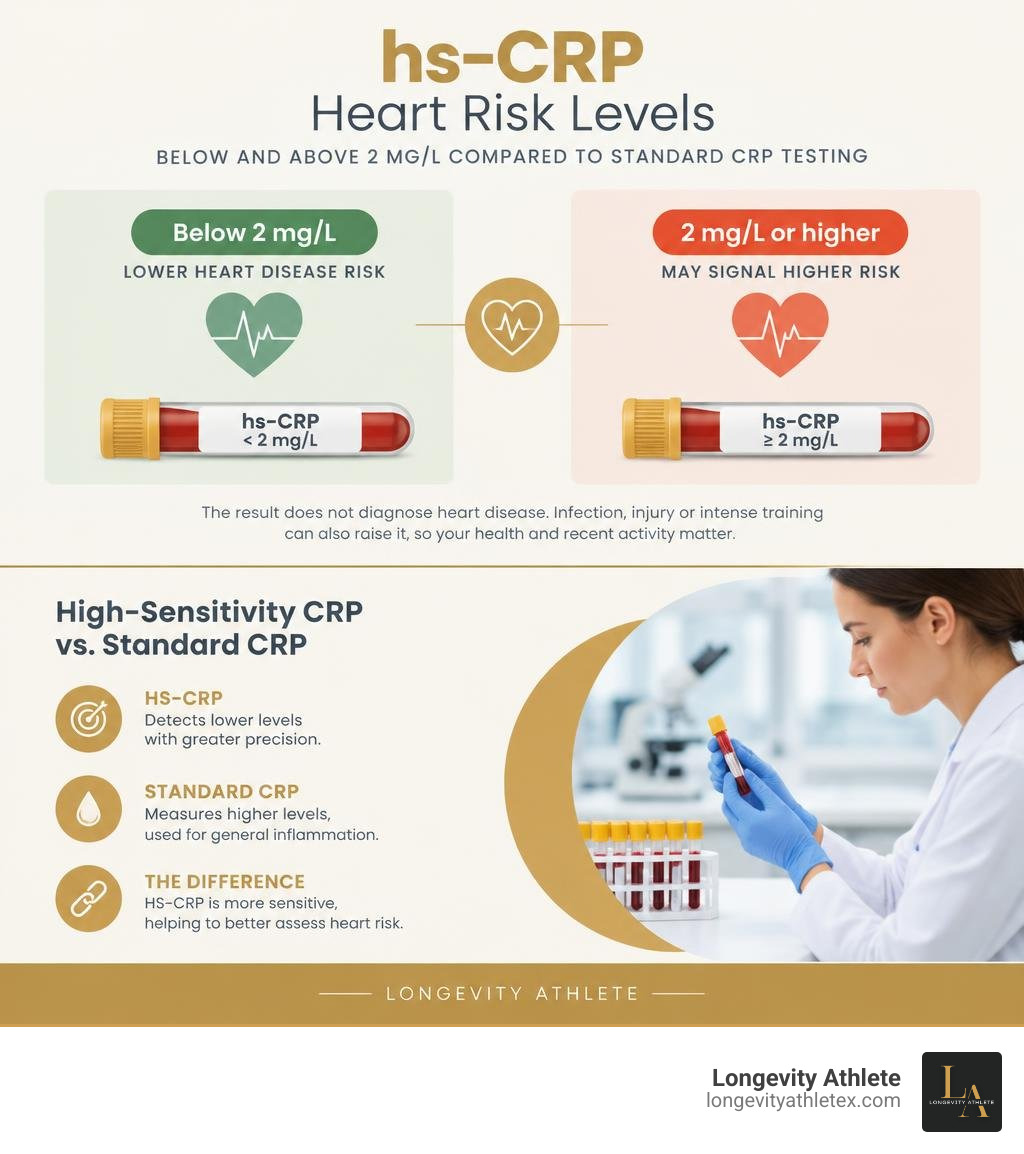
When interpreting high sens crp levels, a result below 2 mg/L generally suggests lower heart disease risk, while 2 mg/L or higher may signal higher risk, according to the Mayo Clinic. The result does not diagnose heart disease. Infection, injury, or a hard training session can also raise it, so your health and recent activity matter when reading the number.
I'm Garric Vosloo, a health professional who has worked with elite athletes since 2000. My 30 years in patient consulting shape how I explain high sens crp levels alongside training, recovery, and long-term health.
What Is High-Sensitivity CRP and How Does It Differ From Standard CRP?

C-reactive protein (CRP) is an acute-phase protein synthesized primarily by hepatocytes in the liver. Its production is upregulated in response to inflammatory cytokines, particularly interleukin-6 (IL-6), interleukin-1 (IL-1), and tumor necrosis factor-alpha (TNF-alpha). When tissue injury, acute infection, or chronic vascular irritation occurs, CRP levels rise rapidly within 24 to 48 hours.
Both standard CRP tests and high-sensitivity CRP (hs-CRP) tests measure the exact same biochemical molecule in the bloodstream. The crucial distinction lies entirely in the analytical sensitivity and the intended clinical utility of the laboratory assay. Exploring a comprehensive guide to inflammation testing can help clarify how these laboratory assays function side by side.
According to the Mayo Clinic's overview of C-reactive protein testing, standard CRP assays are designed to detect gross, overt elevations in systemic inflammation. These standard tests typically measure concentrations ranging from 3.0 mg/L up to hundreds of milligrams per liter. Standard CRP testing is routinely ordered to detect acute bacterial infections, monitor major post-surgical complications, or track active flare-ups in autoimmune conditions such as lupus or rheumatoid arthritis.
In contrast, an hs-CRP assay utilizes advanced immunoturbidimetric, immunonephelometric, or immunochemiluminometric methods. These specialized techniques quantify minute concentrations of CRP—often as low as 0.1 mg/L to 0.3 mg/L. Because it can measure subtle baseline shifts within the low-grade range, hs-CRP serves as a sensitive tool for evaluating subclinical vascular inflammation.
Feature | Standard CRP Test | High-Sensitivity CRP (hs-CRP) Test |
|---|---|---|
Primary Clinical Purpose | Detecting acute infections, major trauma, autoimmune flares | Evaluating baseline vascular inflammation, chronic disease risk |
Typical Measurement Range | 3.0 to >300 mg/L | 0.1 to 10.0 mg/L |
Target Population | Symptomatic patients with suspected acute illness or flare | Asymptomatic individuals, intermediate cardiovascular risk profiles |
Normal Healthy Baseline | Typically < 5.0 mg/L to 10.0 mg/L | Ideally < 1.0 mg/L |
Analytical Methodology | Standard immunoassay | High-sensitivity nephelometry or turbidimetry |
What High Sens CRP Levels Reveal About Systemic Inflammation
In healthy individuals without acute disease, the baseline median concentration of CRP in the blood is approximately 1.0 mg/L. Subtle elevations above this baseline—even when remaining well below the 10.0 mg/L mark that defines gross clinical inflammation—can signal sustained, low-grade systemic inflammation.
In the cardiovascular system, low-grade inflammation plays a central role in atherogenesis. Chronic endothelial irritation encourages white blood cells to adhere to vessel walls, promoting the development and potential destabilization of arterial plaques. Tracking these shifts alongside other key inflammation blood markers provides a broader window into underlying vascular biology.
The American Heart Association notes on cardiovascular inflammation testing explain that adding an hs-CRP test to routine lipid panels can bring clearer insight into an individual's overall heart health picture, especially when traditional risk calculations leave clinicians and patients with borderline decisions.
Interpreting High Sens CRP Levels: Cardiovascular Risk Thresholds
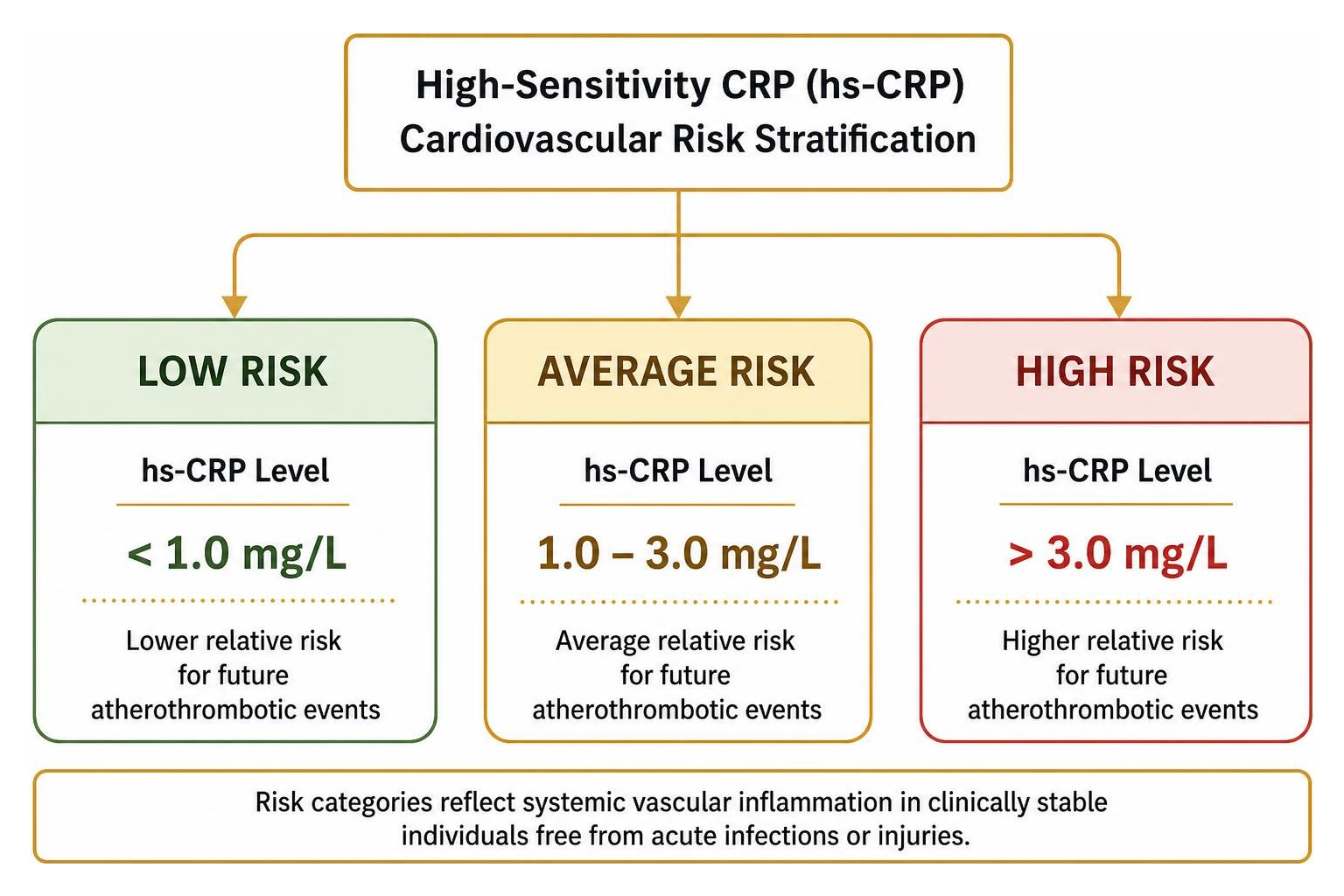
Cardiovascular risk assessment relies on established reference tiers that categorize an individual's relative risk for future atherothrombotic events, including myocardial infarction and stroke. These tiers reflect systemic vascular inflammation when an individual is clinically stable and free from acute infections or injuries.
Understanding these values requires integrating clinical metrics with detailed laboratory data. Reviewing information on inflammatory marker blood tests alongside healthdirect reference data on CRP results shows how clinicians separate transient spikes from chronic cardiovascular risk patterns.
Low, Average, and High Cardiovascular Risk Ranges
When assessing risk in asymptomatic adults, clinical guidelines commonly divide hs-CRP results into three distinct categories:
Low Risk (< 1.0 mg/L): Reflects minimal baseline vascular inflammation. Individuals in this range demonstrate the lowest statistical relative risk for future cardiovascular events.
Average Risk (1.0 to 3.0 mg/L): Represents a moderate level of systemic inflammation. While common across the general adult population, values in this bracket warrant review of diet, body composition, and physical activity.
High Risk (> 3.0 mg/L): Indicates elevated low-grade systemic inflammation. Research published in the National Library of Medicine indicates that higher hs-CRP quartiles correlate with increased cardiovascular risk and broader non-communicable disease incidence (Banait et al., 2022).
A single elevated reading is rarely sufficient to make permanent clinical determinations. For an accurate assessment of coronary artery disease risk, clinical best practice recommends averaging two separate hs-CRP measurements taken approximately two weeks apart while the individual is in a stable, healthy state.
Non-Communicable Disease Correlations Beyond Heart Health
Elevated hs-CRP extends its predictive value well beyond coronary artery disease. As highlighted in peer-reviewed reviews on PubMed Central, chronic low-grade inflammation is a foundational feature of multiple non-communicable health challenges (Banait et al., 2022):
Cerebrovascular Health: Vascular inflammation directly influences cerebral perfusion and vessel integrity, making hs-CRP a valuable marker when evaluating long-term stroke risk (Banait et al., 2022).
Metabolic Syndrome and Type 2 Diabetes: Adipose tissue—especially visceral fat—secretes inflammatory cytokines that stimulate liver CRP production. Elevated hs-CRP often tracks closely with worsening insulin sensitivity and elevated fasting glucose (Banait et al., 2022).
Neurodegenerative Changes: Sustained systemic inflammatory signaling is frequently observed alongside accelerated cognitive decline and neurodegenerative processes (Banait et al., 2022).
Consistently tracking chronic inflammation markers offers a proactive method for catching these systemic shifts early.
Factors That Elevate hs-CRP and How to Prepare for Testing
Because C-reactive protein is an exquisitely sensitive acute-phase reactant, elevated numbers do not automatically mean an individual has arterial disease. A wide range of acute and chronic physiological events can stimulate hepatic synthesis.

According to the British Columbia clinical guidelines on CRP and ESR testing, non-cardiovascular triggers of elevated CRP include:
Strenuous Physical Exercise: Vigorous eccentric resistance training or endurance bouts create muscular microtrauma, triggering a temporary acute-phase spike. Athletes who need to interpret their post-workout data can benefit from evaluating athlete recovery biomarkers to differentiate healthy adaptation from overreaching.
Acute Viral or Bacterial Infections: Common colds, dental infections, urinary tract infections, or respiratory illnesses can cause CRP to surge well past 10.0 mg/L.
Chronic Autoimmune Disorders: Flares in rheumatoid arthritis, inflammatory bowel disease, or psoriatic arthritis naturally drive CRP upward.
Sleep Disruption and Psychological Stress: Chronic sleep deprivation and sustained stress promote systemic cytokine release.
Hormone Therapies: Exogenous estrogens or oral contraceptives can stimulate hepatic CRP output independently of vascular pathology.
Test Preparation and Timing Guidelines
To ensure blood test results reflect baseline vascular health rather than temporary physiological stress, follow these preparation guidelines:
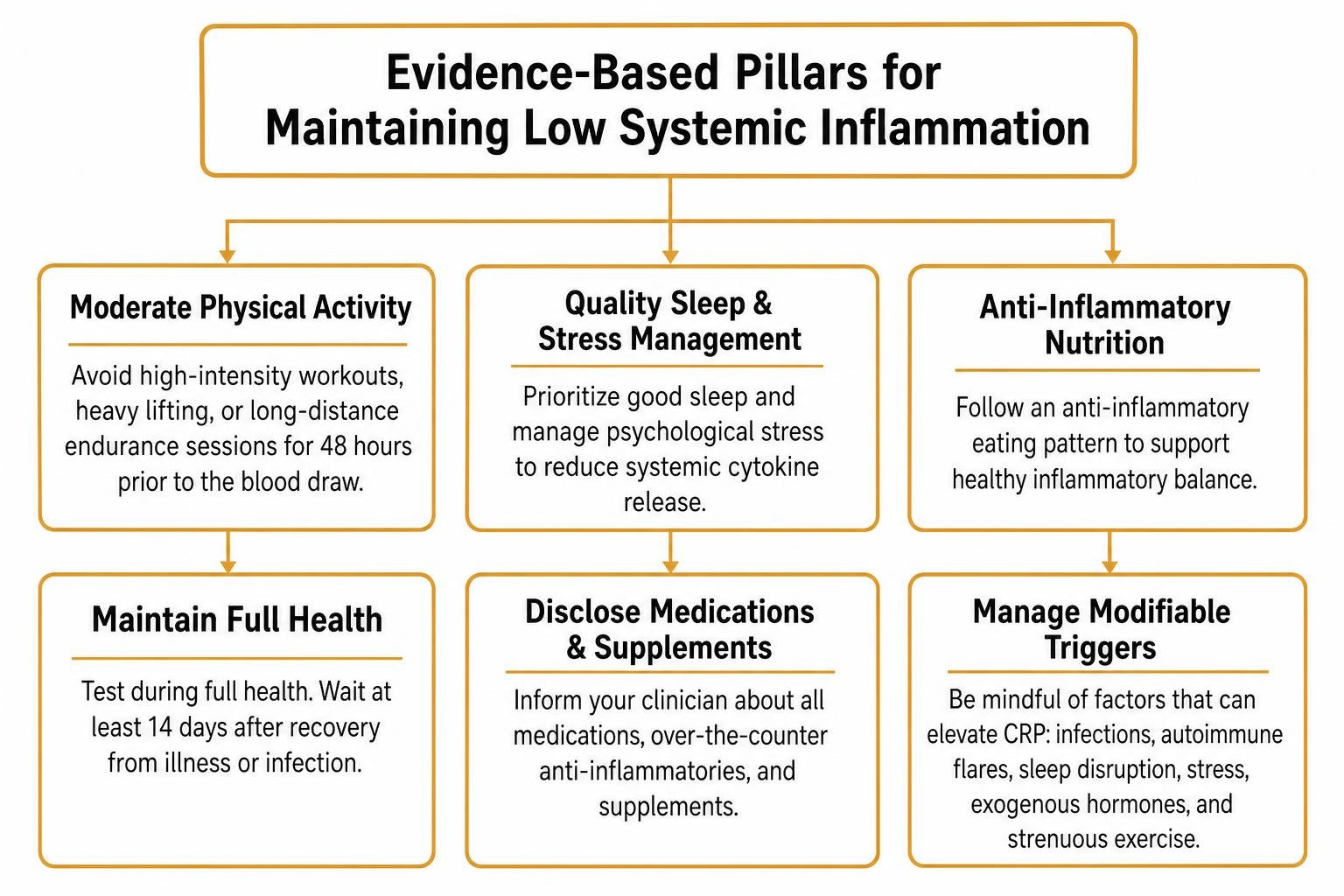
Schedule During Full Health: Reschedule the blood draw if experiencing any symptoms of acute illness, fever, or localized infection. Wait at least 14 days after full recovery before testing.
Moderate Physical Activity: Avoid high-intensity workouts, heavy lifting, or long-distance endurance sessions for 48 hours prior to the blood draw. Light movement like walking or mobility work is acceptable.
Disclose Medications and Supplements: Inform the ordering clinician about all daily medications, over-the-counter anti-inflammatories (such as ibuprofen or aspirin), and supplements.
Follow Standard Draw Instructions: While hs-CRP itself does not strictly require fasting, it is frequently bundled with fasting lipid and glucose panels.
For individuals monitoring their numbers longitudinally, utilizing validated at-home CRP test options can offer a practical way to track baseline trends under consistent testing conditions.
Evidence-Based Strategies to Manage hs-CRP
When elevated hs-CRP stems from lifestyle factors or subclinical vascular inflammation, targeted daily habits may support healthy systemic inflammatory balance.
At Longevity Athlete, we provide precision-performance wellness consulting for disciplined athletes, using personalized biomarker testing and data-driven plans to optimize longevity and performance. Rather than relying on generic recommendations, focusing on individualized biomarker analysis and ongoing refinement creates a sustainable roadmap for long-term health. Utilizing personalized biomarker analysis ensures lifestyle adjustments directly match your unique biological feedback.
Evidence-Based Approaches to Lower High-Sensitivity CRP Levels
The following evidence-based habits research suggests may support healthy inflammatory profiles:
Adopt an Anti-Inflammatory Dietary Pattern: Emphasize whole, minimally processed foods rich in polyphenols, dietary fiber, and healthy monounsaturated fats. Mediterranean dietary frameworks—abundant in extra virgin olive oil, leafy greens, wild-caught fish, nuts, and berries—consistently associate with lower circulating CRP concentrations.
Incorporate Marine Omega-3 Fatty Acids: Eicosapentaenoic acid (EPA) and docosahexaenoic acid (DHA) provide essential precursors for specialized pro-resolving mediators (SPMs), which actively resolve inflammatory cascades.
Engage in Balanced Aerobic and Resistance Training: While acute overexertion temporarily raises CRP, regular moderate physical activity reduces visceral fat mass, improves insulin sensitivity, and lowers baseline systemic inflammation over time.
Optimize Sleep Quality and Circadian Alignment: Aim for 7 to 9 hours of restorative sleep per night. Addressing sleep architecture and conditions like obstructive sleep apnea can substantially lower chronic inflammatory markers.
Clinical and Pharmacologic Support: In individuals with established cardiovascular risk or persistent elevations, medical professionals may consider lipid-lowering therapies, such as statins, which possess well-documented anti-inflammatory properties that reduce circulating hs-CRP levels alongside LDL cholesterol.
Frequently Asked Questions About hs-CRP
When should an hs-CRP test be ordered instead of standard CRP?
An hs-CRP test is indicated primarily when evaluating baseline cardiovascular risk in asymptomatic individuals, particularly those categorized with intermediate 10-year risk profiles based on standard metrics like blood pressure and cholesterol. Standard CRP tests should be ordered when investigating suspected acute bacterial infections, major tissue trauma, or severe autoimmune flare-ups.
Can intense athletic training temporarily raise hs-CRP results?
Yes. Strenuous exercise induces an acute-phase inflammatory response driven by muscle fiber microtrauma and metabolic stress. Following marathon running, heavy eccentric lifting, or high-intensity intervals, hs-CRP can elevate significantly for 24 to 72 hours before returning to baseline as muscle repair completes.
What should I do if my hs-CRP level is above 10 mg/L?
An hs-CRP level exceeding 10.0 mg/L rarely reflects isolated cardiovascular risk; it almost always indicates an active acute inflammatory stimulus, such as a recent infection, physical injury, dental issue, or systemic autoimmune flare. The recommended approach is to evaluate for acute underlying causes with a physician and repeat the test in two to four weeks once symptoms resolve.
Conclusion
Understanding your high-sensitivity CRP levels gives you a window into your vascular health and baseline systemic inflammation. When interpreted in the proper clinical context—away from the noise of acute illness or strenuous workouts—hs-CRP serves as a tool for personalizing preventive health strategies.
Whether you are an endurance athlete managing recovery demands or an individual looking to optimize long-term vitality, proactive tracking of inflammatory markers allows for data-informed decision-making. Our Signature Plan provides a self-guided group program, while our Gold and Platinum Plans create individualized lifestyle programs tailored to your unique biology.
To take control of your health metrics and build a targeted wellness approach, explore our dedicated services in inflammation testing to get started today.
References
Banait T, Wanjari A, Danade V, Banait S, Jain J. "Role of High-Sensitivity C-reactive Protein (Hs-CRP) in Non-communicable Diseases: A Review.." Cureus, 2022. PMCID PMC9650935.