
Why Vitamin D Matters for Serious Endurance Training
How Vitamin D Affects Athletic Performance in Endurance Training
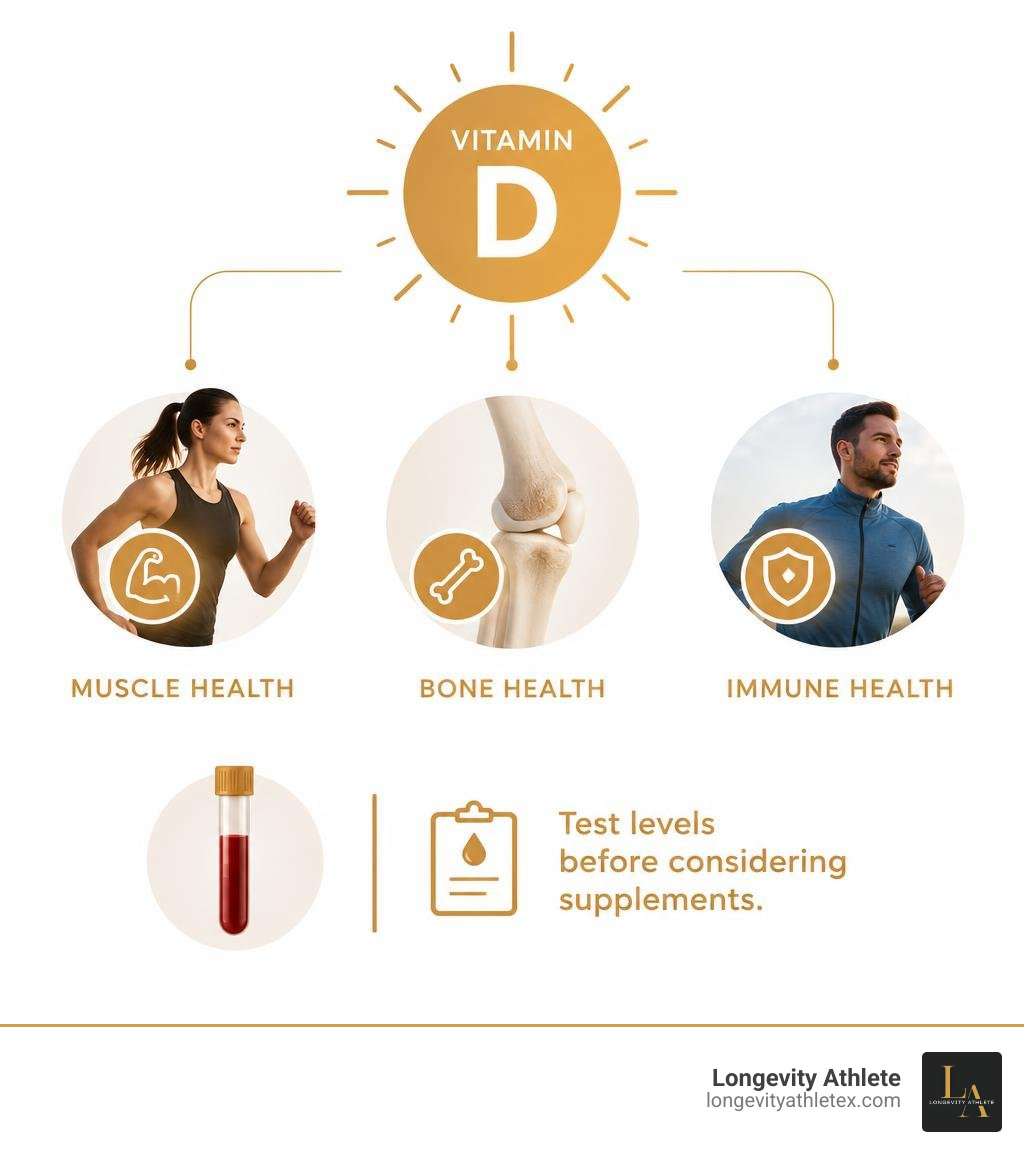
Vitamin D supports muscle function, bone health, and immune function during endurance training. Correcting a low level may help an athlete stay healthy enough to train consistently, but supplements have not been shown to reliably improve speed or aerobic capacity. If you train indoors or get little winter sunlight, a blood test for 25-hydroxyvitamin D can help you decide whether your intake needs attention.
I'm Garric Vosloo, and I've spent more than 30 years consulting with patients, including elite athletes since 2000. My approach to evaluating vitamin D and athletic performance starts with individual test results rather than assuming every athlete needs the same plan.
Vitamin D Athletic Performance: Biological Mechanisms and Muscle Physiology
Vitamin D behaves more like a potent secosteroid hormone than a classic dietary micronutrient. Once synthesized in the skin or absorbed through the digestive tract, it undergoes a two-step enzymatic conversion. The liver converts it to 25-hydroxyvitamin D [25(OH)D], the primary circulating biomarker used to evaluate clinical status. Subsequently, the kidneys and peripheral tissues—including skeletal muscle—convert 25(OH)D into 1,25-dihydroxyvitamin D [calcitriol], its biologically active hormonal form.
Understanding the relationship between vitamin D and athletic performance begins with how calcitriol exerts systemic influence by binding to intracellular Vitamin D Receptors (VDR) present in nearly every human tissue (de et al., 2020). Upon binding, the calcitriol-VDR complex translocates to the cell nucleus, forming a heterodimer with the retinoid X receptor. This complex binds to specific Vitamin D Response Elements (VDRE) on DNA, regulating the transcription of hundreds of responsive genes (Cannell et al., 2009).
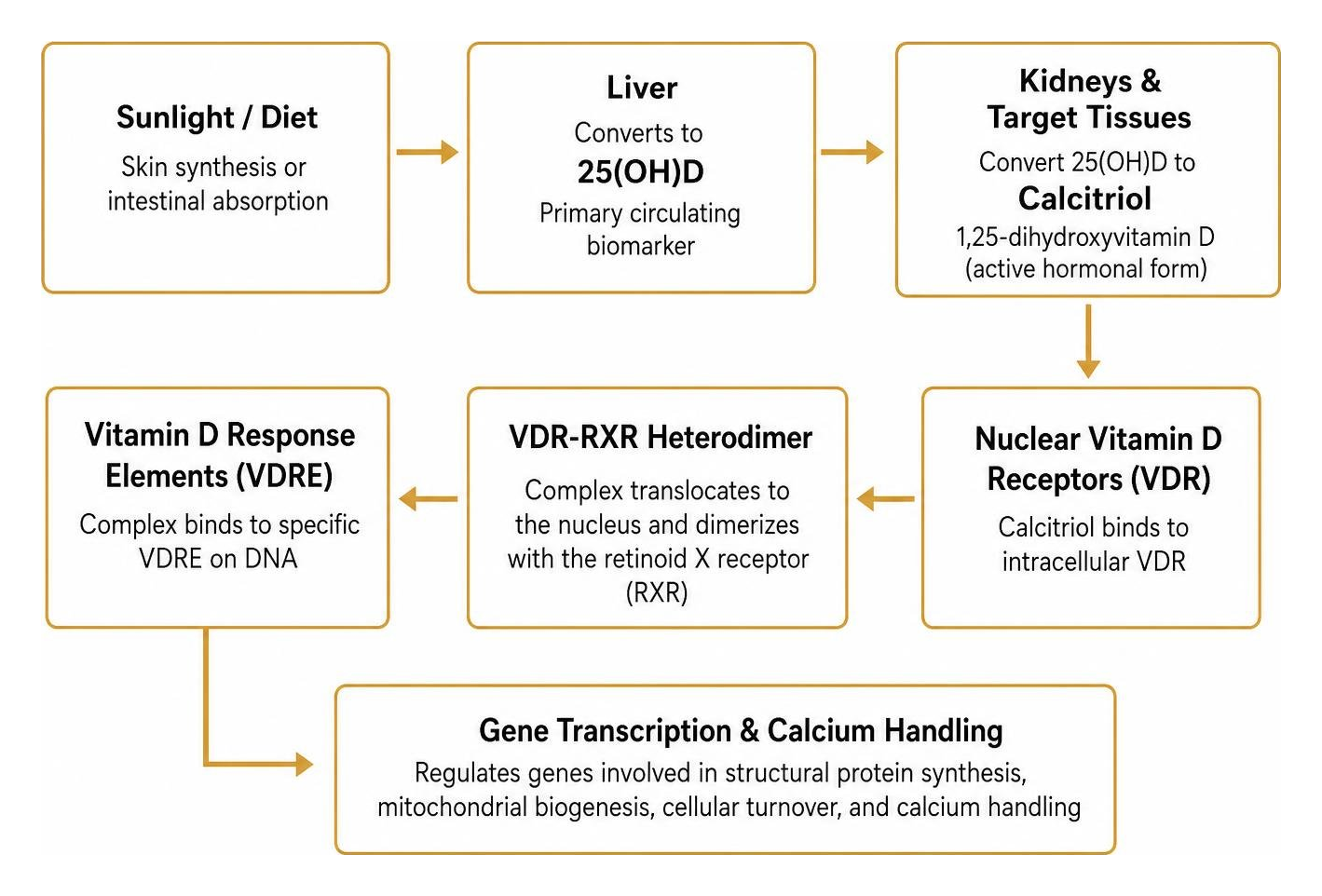
These genomic cascades govern structural protein synthesis, mitochondrial biogenesis, and cellular turnover. Beyond long-term genomic pathways, calcitriol also drives rapid, non-genomic actions at the cell membrane. These membrane-initiated signaling cascades enhance rapid mineral flux, which directly influences athlete recovery biomarkers following exhaustive endurance bouts.
How Vitamin D and Athletic Performance Intersect in Type II Muscle Fibers
Skeletal muscle tissue relies heavily on calcitriol signaling to maintain structural integrity and functional output. VDR activation directly modulates calcium handling within the sarcoplasmic reticulum. When a motor unit fires, calcitriol facilitates the rapid release and reuptake of intracellular calcium ions, accelerating actin-myosin cross-bridge cycling and optimizing contraction velocity.
This mechanism is especially prominent in fast-twitch (Type II) muscle fibers. While endurance athletes primarily rely on slow-twitch (Type I) fibers for steady-state aerobic output, Type II fibers provide essential power during:
Late-race surges and sprint finishes
Steep uphill climbs
Form maintenance when slow-twitch motor units fatigue
Vitamin D deficiency is associated with Type II fiber atrophy and delayed peak muscle tension (de et al., 2020). At the cellular level, active calcitriol promotes optimal substrate oxidation and cellular bioenergetics. Integrating vitamin D status with targeted mitochondrial health optimization ensures that hard-working myocytes retain the energetic capacity required for high-volume aerobic training.
Inflammation Modulation and Post-Exercise Recovery
Repetitive high-volume endurance training induces mechanical microtrauma, localized oxidative stress, and transient systemic inflammation. How efficiently an athlete recovers between sessions depends on their biological capacity to modulate pro-inflammatory cytokines while supporting tissue remodeling.
Calcitriol plays an immunomodulatory role by downregulating nuclear factor kappa B (NF-kB), a primary transcription factor driving systemic inflammatory cascades. Through this pathway, adequate vitamin D status helps regulate elevations in C-reactive protein (CRP), tumor necrosis factor-alpha (TNF-alpha), and interleukin-6 (IL-6) (Wyatt et al., 2024). A comprehensive review by Wilson-Barnes et al. (2020) highlighted that maintaining sufficient circulating 25(OH)D aids in managing exercise-induced systemic stress.
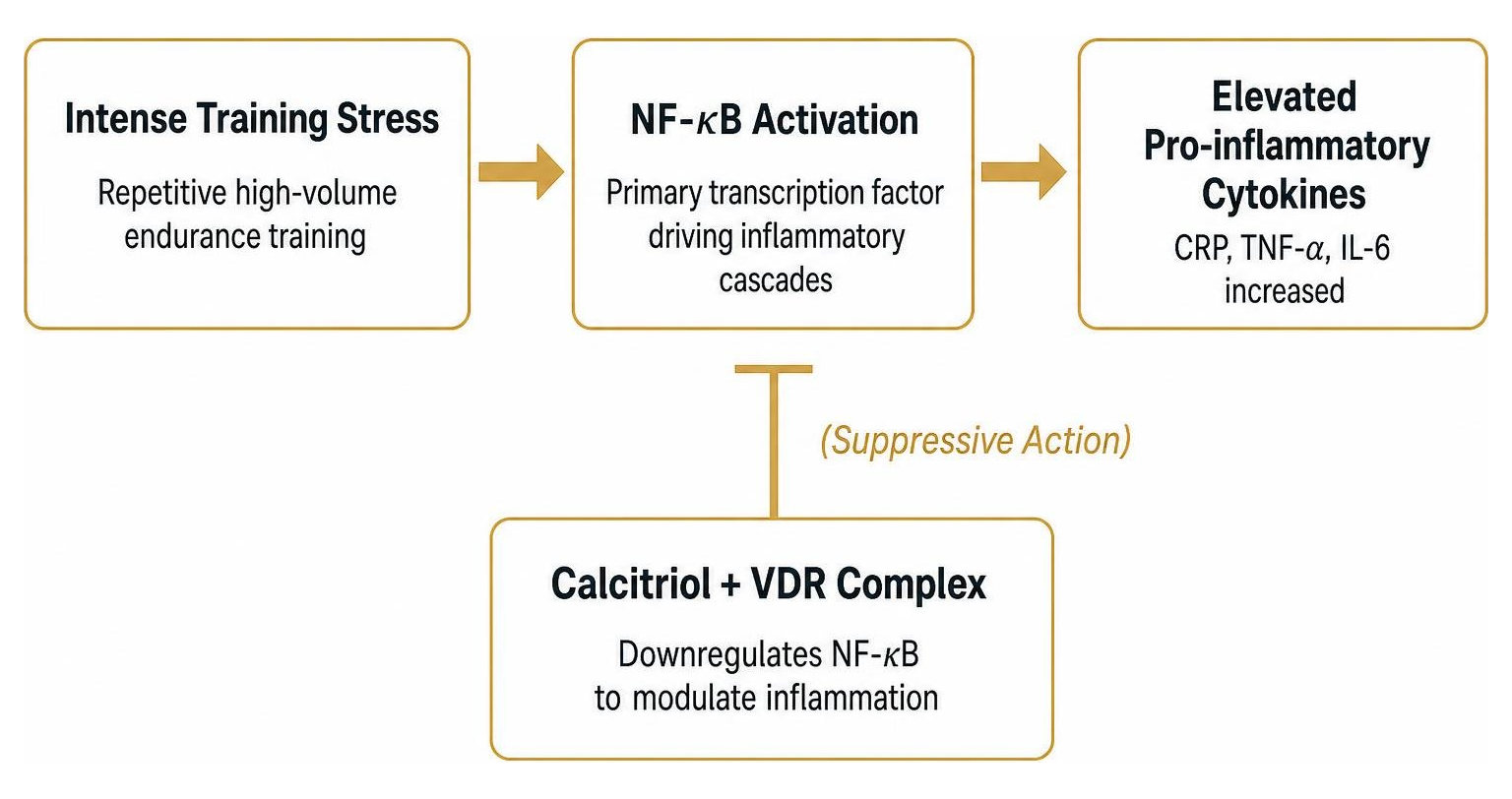
Attenuating secondary inflammatory cascades following eccentric muscle loading supports faster structural repair and limits prolonged muscle soreness. Athletes looking to fine-tune their recovery can explore our guide on inflammation in athletic performance to better track and manage systemic strain.
Prevalence of Deficiency and Environmental Risk Factors for Endurance Athletes
Despite spending significant time outdoors, endurance athletes frequently experience insufficient vitamin D concentrations. According to a systematic review and meta-analysis published in Sports Medicine by Farrokhyar et al. (2015), 56% of athletes exhibited inadequate 25(OH)D concentrations.
Suboptimal status spans across sporting disciplines. Published observational data indicate substantial rates of insufficiency across elite cohorts:
Professional Basketball: Marked rates of deficiency and insufficiency, as reported in a cohort analysis published in the Journal of Sports Sciences (2018).
National American Football League: Widespread insufficiency demonstrated in seasonal assessments published in The American Journal of Sports Medicine (2015).
English Premier League Football: High prevalence of suboptimal concentrations during winter monitoring, as documented by research in Nutrients (2018).
Mediterranean Athletes: A study published in Endocrine Practice (2014) showed that a large majority of athletes based in Israel (latitude 31.8° N) were vitamin D deficient despite residing in a high-sunlight region.

Deficiency impairs long-term functional capacity. For endurance runners, balancing hormonal status, micronutrient availability, and red cell production is essential; maintaining adequate vitamin D alongside a healthy red blood cell count ensures robust physiological adaptation throughout arduous training blocks.
Geographic Latitude, Seasonality, and Indoor Training
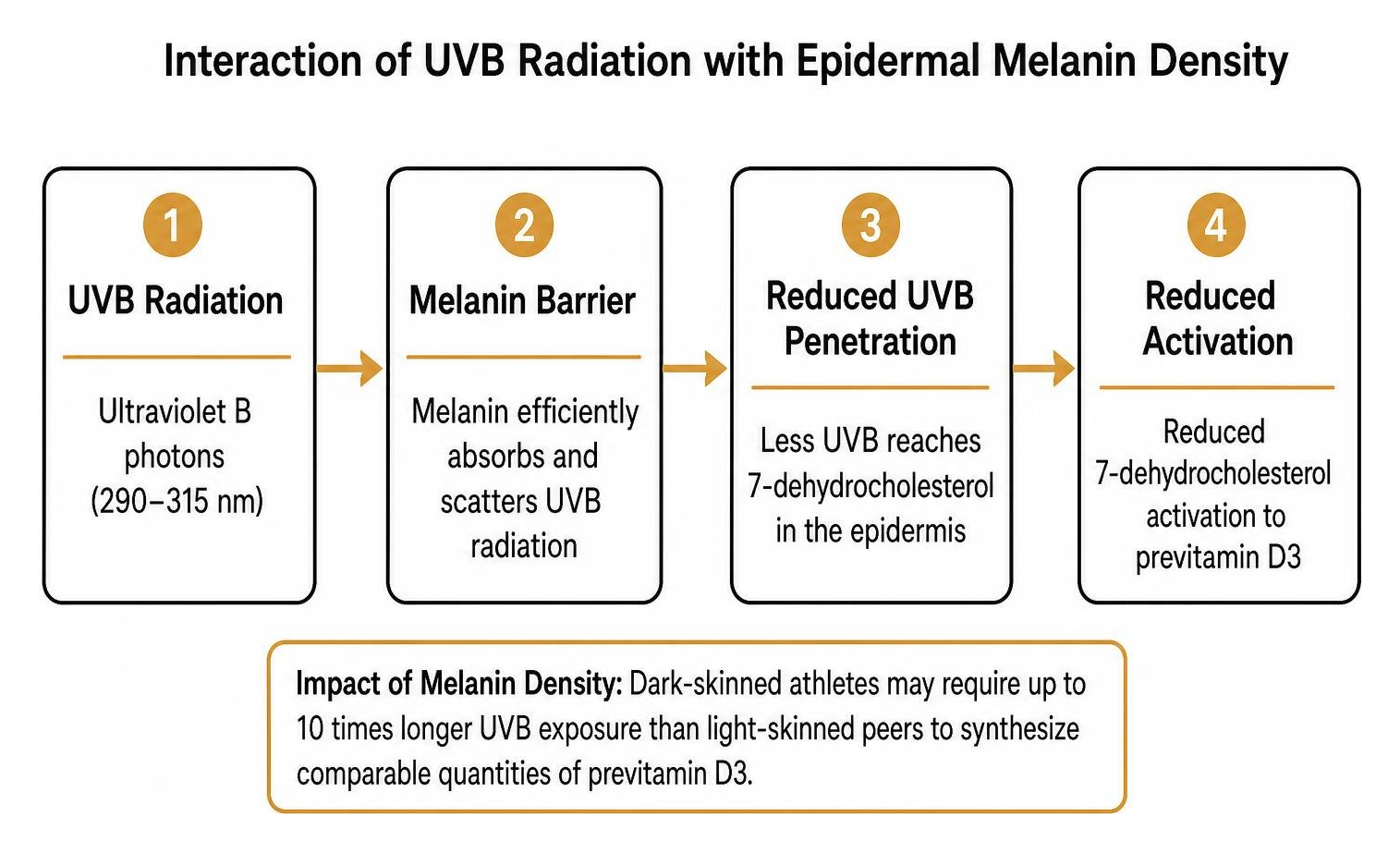
Cutaneous vitamin D3 synthesis relies on ultraviolet B (UVB) photons (wavelengths 290–315 nm) converting 7-dehydrocholesterol into previtamin D3. However, atmospheric physics dictates that geographic location and seasonality heavily influence UVB availability.
At latitudes north or south of approximately the 35th parallel (e.g., Boston, London, Zurich, or Melbourne), the solar zenith angle during winter forces UVB photons through an extended atmospheric path. The ozone layer absorbs most of these wavelengths, rendering cutaneous synthesis negligible from late autumn through early spring—a phenomenon known as the "vitamin D winter."
A systematic review in Nutrients by Vandevijvere et al. (2024) confirms that elite athletes living at higher latitudes experience marked seasonal declines in serum 25(OH)D (Wyatt et al., 2024). Endurance athletes who transition to indoor tracks, treadmills, or turbo-trainers during dark winter months face an exacerbated decline in circulating reserves, often reaching a biological nadir in late winter.
Melanin Density, Dietary Gaps, and Bioavailability
Skin pigmentation serves as an evolutionary photoprotective barrier. Melanin efficiently absorbs and scatters UVB radiation, acting as natural sunscreen. Consequently, dark-skinned athletes may require up to 10 times longer UVB exposure than light-skinned peers to synthesize comparable quantities of previtamin D3 (de et al., 2020).
Compounding this physiological barrier, dietary sources rarely satisfy biological demands. Natural food sources containing meaningful quantities of cholecalciferol are limited to:
Wild-caught fatty cold-water fish (salmon, mackerel, sardines)
Egg yolks from pasture-raised hens
UV-irradiated mushrooms
A nutritional survey published in the Journal of the Academy of Nutrition and Dietetics (2016) demonstrated that only a small fraction of college athletes met the U.S. Recommended Dietary Allowance (RDA) for vitamin D from food alone. Athletes can utilize biomarker-based nutrition plans to systematically identify these micronutrient deficits and adjust their dietary intake accordingly.
Bone Health, Stress Fracture Prevention, and Immune Defense
The classical role of vitamin D centers on regulating calcium and phosphorus homeostasis. Calcitriol upregulates active intestinal calcium transport via the TRPV6 channel and calbindin protein synthesis. In a vitamin D-depleted state, the gut absorbs only a fraction of dietary calcium compared to when an athlete maintains sufficient circulating concentrations.
When circulating calcium drops, the parathyroid glands secrete parathyroid hormone (PTH). Elevated PTH stimulates osteoclast activity, resorbing mineralized bone matrix to maintain systemic serum calcium levels. Sustained secondary hyperparathyroidism leads to progressive bone demineralization, elevating the risk of osteopenia and structural overuse injuries. Supporting this balance through a measured calcium-magnesium nutritional balance provides the necessary ionic cofactors for enduring skeletal strength.
Stress Fracture Prevention and Bone Mineralization
Endurance athletes subject their lower extremities to millions of repetitive, high-impact mechanical loading cycles. This chronic stress generates microscopic cortical bone microdamage, which requires coordinated osteoclastic removal and osteoblastic bone formation.
A substantial biological deficit impairs this remodeling cascade. Epidemiological research published in the Journal of Bone and Mineral Research (2006) revealed that stress fracture risk was substantially higher in Finnish military recruits with baseline serum 25(OH)D concentrations below 75 nmol/L (30 ng/mL). Furthermore, a randomized controlled trial published in the Journal of Bone and Mineral Research (2008) showed that daily supplementation with vitamin D3 plus calcium helped reduce stress fracture incidence in U.S. female Navy recruits undergoing arduous physical conditioning.
Physiological Domain | Biomarker / Index | Suboptimal Clinical Range | Target Performance Range | Primary Physiological Impact |
|---|---|---|---|---|
Skeletal Health | Serum 25(OH)D | < 30 ng/mL (< 75 nmol/L) | 40–50 ng/mL (100–125 nmol/L) | Maximizes intestinal calcium absorption, suppresses excessive PTH-driven bone resorption. |
Endocrine Stress | Intact PTH | > 45 pg/mL | 15–30 pg/mL | Normalizes bone turnover dynamics and preserves cortical bone mineral density. |
Immune Defense | Salivary Secretory IgA | Marked seasonal decline | Stable baseline concentrations | Upregulates mucosal cathelicidin expression, reducing upper respiratory infection risk. |
Muscle Integrity | Creatine Kinase (CK) | Exaggerated post-effort spikes | Rapid recovery clearance | Modulates post-exercise membrane permeability and accelerates structural fiber repair. |
Upper Respiratory Illness and Mucosal Immunity
Hard endurance training blocks can temporarily suppress mucosal immunity, creating an "open window" where athletes are more susceptible to Upper Respiratory Tract Infections (URTIs). Vitamin D serves as an essential regulator of innate antimicrobial defense (de et al., 2020).
Calcitriol directly stimulates the transcription of antimicrobial peptides, notably cathelicidin (hCAP-18/LL-37) and human beta-defensin-2, in circulating macrophages, neutrophils, and respiratory epithelial cells. These natural peptides disrupt microbial cell membranes, providing first-line defense against viral and bacterial pathogens.
Maintaining circulating levels above 38 ng/mL (95 nmol/L) is associated with reduced URTI episodes and fewer lost training days during winter training periods. Monitoring these shifts alongside broader overtraining blood markers helps ensure that intense preparation does not compromise immune resilience.
Evaluating the Evidence: Does Supplementation Directly Enhance Physical Metrics?
Given the presence of VDR throughout skeletal and cardiac muscle, research has examined whether vitamin D functions as an ergogenic aid. Early reviews, such as those by Cannell et al. (2009), posited that elevating 25(OH)D could directly enhance force production and maximal oxygen uptake.
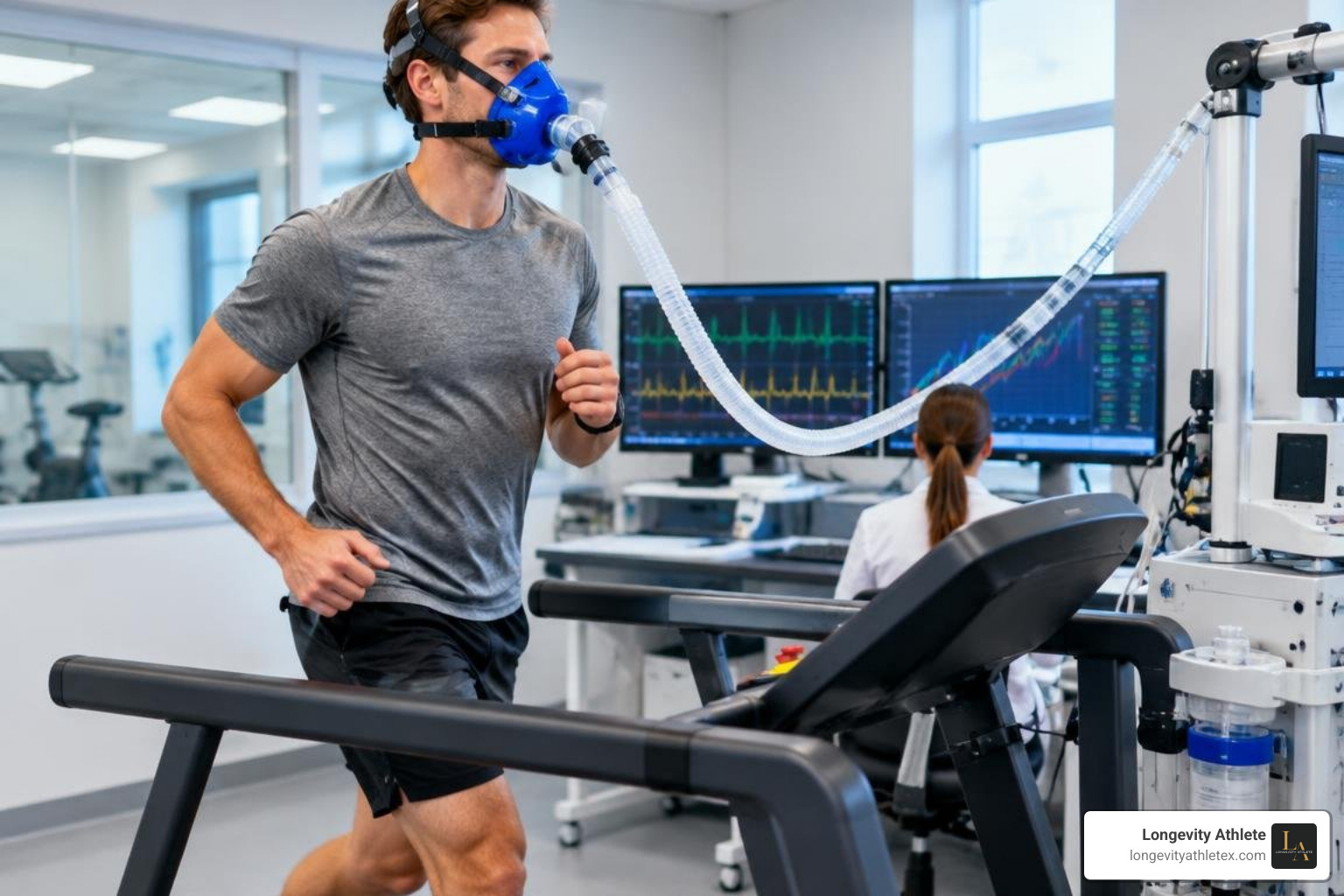
However, modern systematic reviews show that ergogenic outcomes depend heavily on baseline clinical status. In individuals with severe baseline deficiencies, correcting serum levels often yields clear functional recoveries in strength and neuromuscular performance. Conversely, in athletes with sufficient baseline levels, supplemental loading rarely produces additional ergogenic gains.
Evaluating the Evidence on Vitamin D Athletic Performance Metrics
Meta-analytic data clarify these physiological boundaries across isolated power and speed metrics:
Maximal Strength and Force Production: A rigorous meta-analysis by Zhang et al. (2023) evaluated 11 randomized trials (436 athletes) and concluded that vitamin D supplementation did not yield a statistically significant improvement in maximal strength (1RM) or explosive power in already-sufficient cohorts (Sist et al., 2023). Small gains were primarily limited to athletes correcting a baseline deficiency below 50 nmol/L.
Explosive Power and Vertical Jump: While isolated studies in specific populations (such as elite ballet dancers supplementing with vitamin D, which noted gains in isometric strength and vertical jump) show positive responses, broad meta-analyses show wide variation. A comprehensive systematic review in professional football players published by Galan et al. (2024) demonstrated that despite robust biochemical normalization of serum 25(OH)D (Hedges' g = 1.41), pooled functional outcomes for jump height and sprint velocity showed no statistically significant improvement.
Sprint Velocity and Acceleration: Across sprint testing distances (10m to 40m), high-dose supplementation demonstrates neutral pooled effects in eudemic athletes, reinforcing that excess calcitriol does not augment cross-bridge mechanics beyond normal physiological levels.
Aerobic Endurance, Submaximal Economy, and Cardiac Muscle
The relationship between vitamin D and cardiovascular parameters remains a compelling area of study. Receptors for calcitriol reside within vascular endothelial cells and left-ventricular cardiomyocytes, where they influence myocardial contractility and vascular compliance.
Meta-analyses examining aerobic capacity report modest, nuanced findings (Farrokhyar et al., 2017). The systematic review by Vandevijvere et al. (2024) observed that select trials in endurance runners and soccer players identified small increases in maximal oxygen uptake (VO2 max) and physical working capacity at heart rate 170 (PWC-170) following 8 to 12 weeks of winter supplementation (Wyatt et al., 2024). However, these gains generally reflect the reversal of seasonal performance decrements caused by winter deficiency nadirs, rather than true supraphysiological enhancement.
Optimal Biomarker Targets, Supplementation Approaches, and Safety Guidelines
Determining appropriate target levels requires distinguishing general population baselines from athletic demands. Standard public health guidelines, such as those from the Institute of Medicine (IOM), define clinical sufficiency as 20 ng/mL (50 nmol/L), a threshold aimed primarily at preventing rickets and osteomalacia.
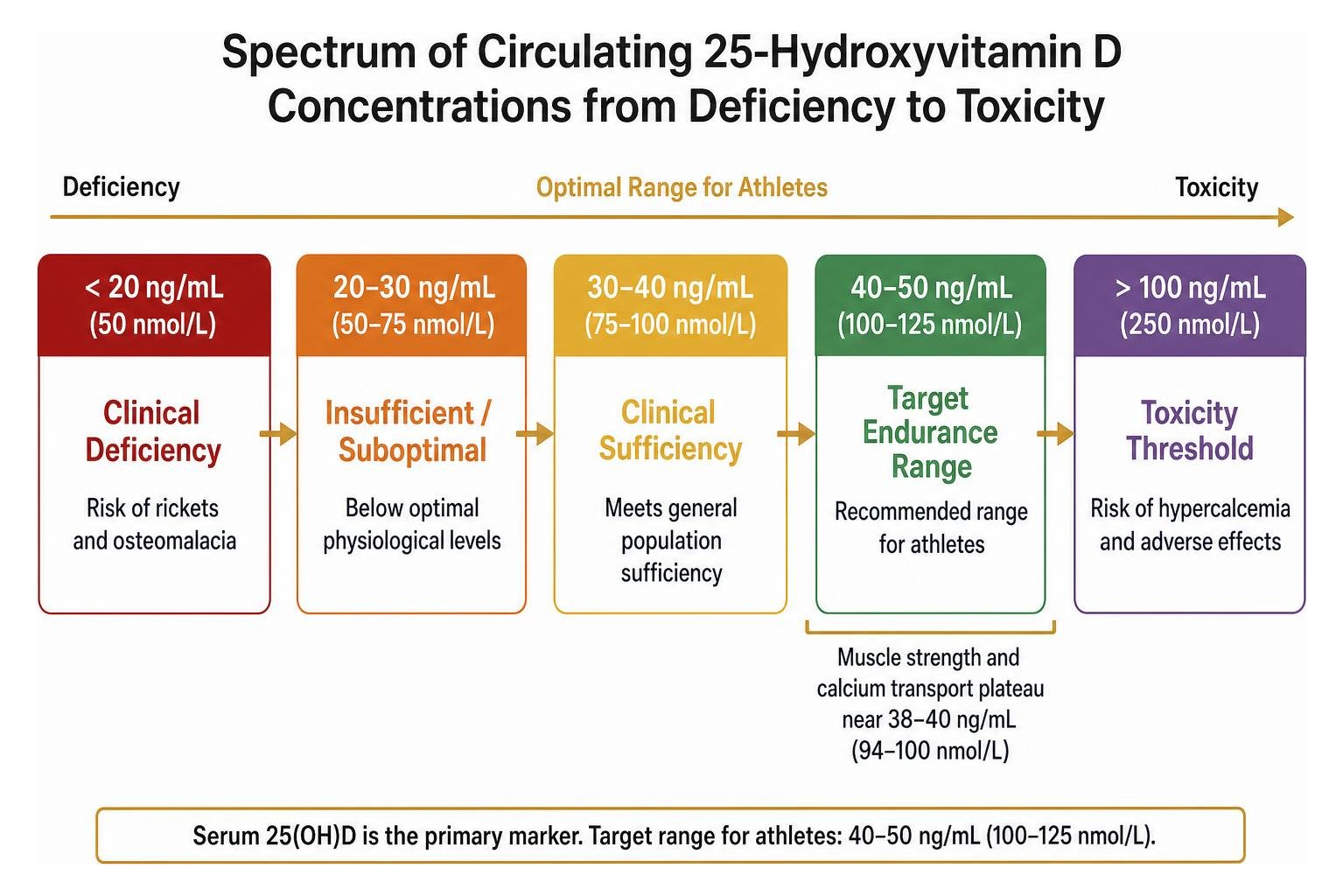
For athletes managing heavy training loads and skeletal remodeling, sports endocrinologists generally recommend a target range of 40 to 50 ng/mL (100 to 125 nmol/L) (Cannell et al., 2009). Research indicates that muscle strength and calcium transport plateau near 38–40 ng/mL (94–100 nmol/L). Individualized monitoring through personalized biomarker analysis allows athletes to maintain this physiological window year-round.
Defining Optimal 25(OH)D Concentrations for Endurance Athletes
Accurately evaluating vitamin D requires monitoring core performance biomarkers rather than relying on guesswork. Serum 25(OH)D remains the primary diagnostic marker due to its stable three-week half-life, whereas 1,25(OH)2D circulates at picomolar levels with a short half-life and can appear deceptively normal during deficiency due to compensatory PTH drive.
Regular blood testing—ideally conducted at the end of summer (peak status) and late winter (nadir)—enables precise adjustments. This data-driven approach accounts for variations in outdoor training hours, latitude, and genetics.
Supplementation Dosage, Synergistic Nutrients, and Toxicity Risks
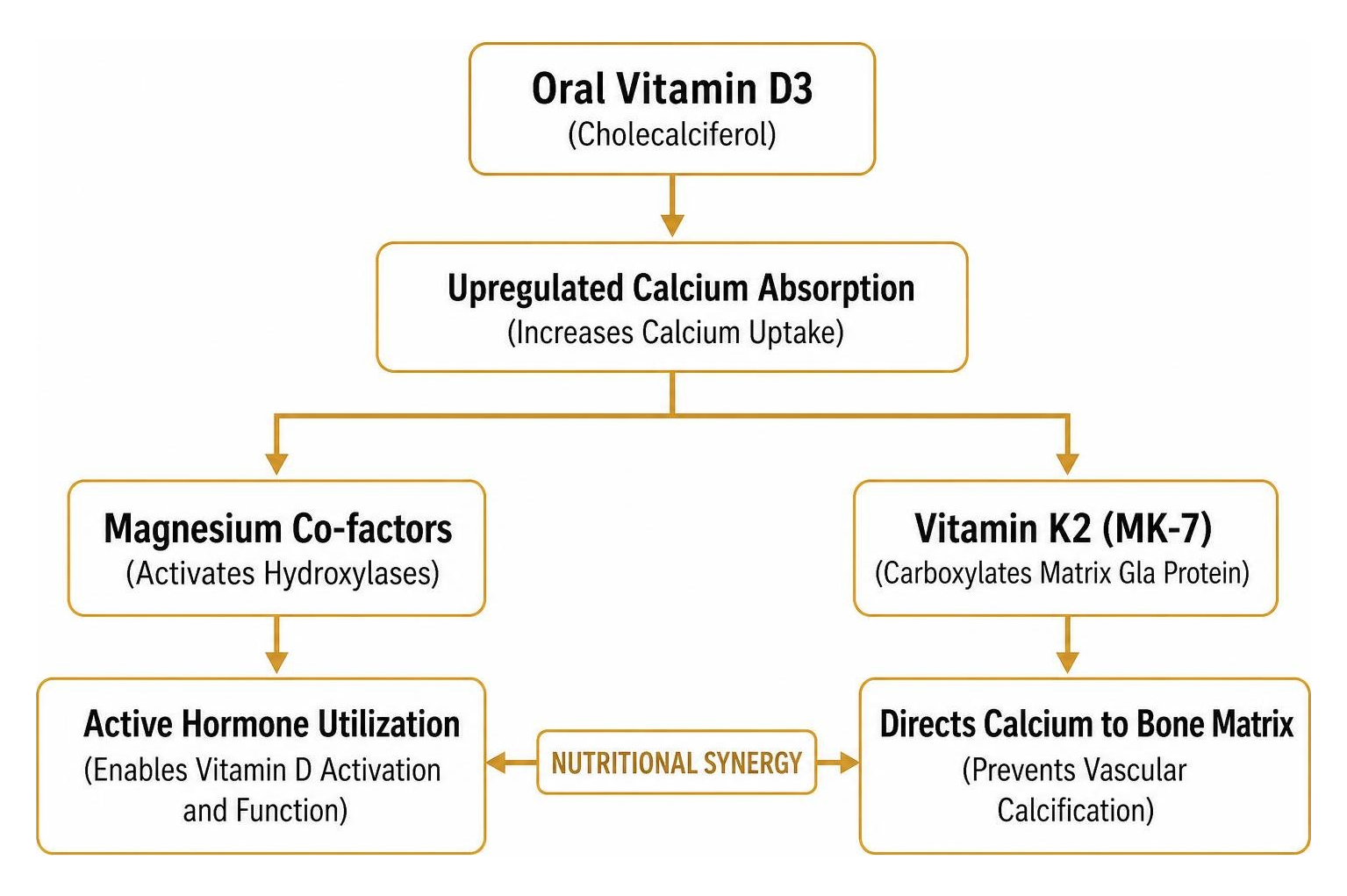
When dietary intake and sun exposure are insufficient, oral vitamin D3 (cholecalciferol) is the preferred supplement form, as it raises circulating 25(OH)D more effectively and sustains it longer than vitamin D2 (ergocalciferol).
A targeted supplementation strategy should consider:
Baseline Repletion: Athletes with verified deficiency (< 20 ng/mL) may require short-term, medically supervised repletion plans, often utilizing higher temporary doses before transitioning to maintenance.
Maintenance Approaches: Daily intakes of 1,500 to 4,000 IU of vitamin D3 generally maintain serum concentrations between 40 and 50 ng/mL during winter months without posing toxicity risks.
Nutritional Synergies: Vitamin D relies on magnesium-dependent hepatic and renal hydroxylase enzymes for activation. Concurrently, vitamin D stimulates the production of osteocalcin and matrix Gla protein (MGP), which require vitamin K2 (specifically menaquinone-7) for carboxylation. Vitamin K2 ensures that absorbed calcium is directed into the bone matrix rather than soft vascular tissues.
Toxicity and Hypercalcemia: True toxicity typically manifests only at sustained concentrations exceeding 100 to 150 ng/mL (250–375 nmol/L), usually resulting from prolonged, unmonitored intake above 10,000 to 40,000 IU/day. Symptoms stem from hypercalcemia and can include nausea, weakness, dehydration, and soft-tissue calcification. Objective tracking through comprehensive lab testing for athletes confirms that intake remains safely within the target range.
Frequently Asked Questions About Vitamin D and Athletic Performance
What is the optimal vitamin D blood level for endurance athletes?
Most sports medicine guidelines suggest maintaining a serum 25(OH)D concentration between 40 and 50 ng/mL (100 to 125 nmol/L). This range supports efficient intestinal calcium absorption, suppresses excessive parathyroid hormone-mediated bone breakdown, and maintains skeletal muscle and immune function.
Can vitamin D supplementation directly boost my VO2 max?
In athletes with sufficient baseline levels, supplementation has not been shown to reliably increase VO2 max or threshold economy. However, if an athlete is deficient (below 20–30 ng/mL), correcting that deficit may restore impaired aerobic capacity and help prevent seasonal performance declines.
How does skin pigmentation influence vitamin D requirements in athletes?
Melanin absorbs and scatters UVB photons, acting as a natural protective barrier. As a result, darker-skinned athletes require up to 10 times more sunlight exposure to synthesize equivalent amounts of vitamin D3 compared to lighter-skinned peers. Darker-skinned athletes training at higher latitudes face an elevated risk of seasonal deficiency and often benefit from tailored dietary or supplemental plans.
Conclusion
Vitamin D serves as a foundational secosteroid hormone that supports skeletal durability, muscle calcium handling, and immune resilience during hard endurance training. However, the scientific evidence is clear: while correcting a biological deficiency helps an athlete train consistently and protects against stress fractures, vitamin D is not a pharmacological shortcut to higher speeds or greater aerobic capacity.
Rather than relying on generic supplementation, elite endurance athletes benefit from objective biomarker testing. Establishing baseline serum 25-hydroxyvitamin D concentrations, tracking seasonal fluctuations, and pairing intake with key co-factors like magnesium and vitamin K2 ensures that training adaptations are well supported.
To learn more about tracking your biomarkers throughout the competitive season, explore our comprehensive guide on sports bloodwork and discover how Longevity Athlete can help you design an individualized approach to your health and performance.
References
de la Puente Yagüe M, Collado Yurrita L, Ciudad Cabañas MJ, Cuadrado Cenzual MA. "Role of Vitamin D in Athletes and Their Performance: Current Concepts and New Trends.." Nutrients, 2020. PMCID PMC7071499. Cannell JJ, Hollis BW, Sorenson MB, Taft TN, Anderson JJ. "Athletic performance and vitamin D.." Medicine and science in sports and exercise, 2009. PMID 19346976. Farrokhyar F, Sivakumar G, Savage K, Koziarz A, Jamshidi S, Ayeni OR, Peterson D, Bhandari M. "Effects of Vitamin D Supplementation on Serum 25-Hydroxyvitamin D Concentrations and Physical Performance in Athletes: A Systematic Review and Meta-analysis of Randomized Controlled Trials.." Sports medicine (Auckland, N.Z.), 2017. PMID 28577257. Wyatt PB, Reiter CR, Satalich JR, O'Neill CN, Edge C, Cyrus JW, O'Connell RS, Vap AR. "Effects of Vitamin D Supplementation in Elite Athletes: A Systematic Review.." Orthopaedic journal of sports medicine, 2024. PMCID PMC10768611. Sist M, Zou L, Galloway SDR, Rodriguez-Sanchez N. "Effects of vitamin D supplementation on maximal strength and power in athletes: a systematic review and meta-analysis of randomized controlled trials.." Frontiers in nutrition, 2023. PMCID PMC10570740.